

Emergency & Help
24/7 Emergency & General Advisory
🚨 24/7 Medical Emergency
Non-Emergency Advisory
10:00 AM – 6:00 PM, Mon–Sat
For appointments & general queries.
24/7 Emergency & General Advisory
🚨 24/7 Medical Emergency
Non-Emergency Advisory
10:00 AM – 6:00 PM, Mon–Sat
For appointments & general queries.
Explore the popular theory linking blood types to personality (katsueki-gata). Learn about its origins, what science says, and why it remains a fascinating, though unproven, concept.
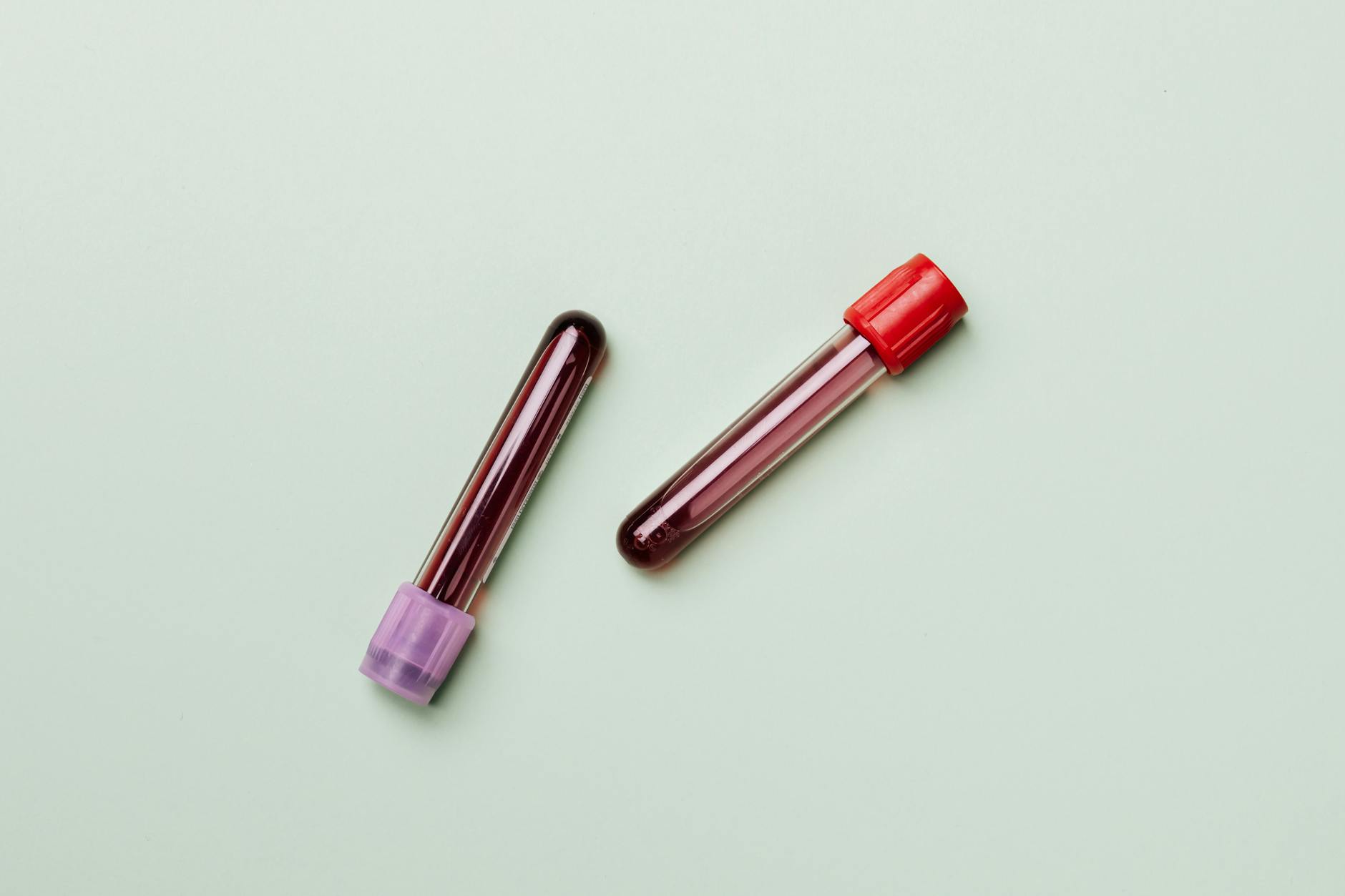
Have you ever wondered if your blood type has anything to do with who you are? It's a question that has fascinated people for decades, especially in countries like Japan and South Korea. The idea, known as katsueki-gata, suggests that your blood type might actually influence your personality and behavior. Sounds intriguing, right? Let's dive into where this theory comes from, what science says, and why it remains so popular despite a lack of solid evidence.
The story of blood type and personality begins in Japan in the 1920s. A research psychologist named Tokeji Furukawa published a paper called “A Study of Temperament and Blood-Groups.” He explored the connection between personality traits and blood types, drawing inspiration from ancient Greek physician Hippocrates, who categorized temperaments as phlegmatic, melancholic, sanguine, and choleric.
Furukawa's research, though considered shaky by today's scientific standards, took root in the cultural imagination. Sadly, Furukawa passed away in 1940, leaving his theory without further scientific validation. But the idea didn't fade away. In the 1970s, Japanese journalist Masahiko Nomi reignited interest with his bestselling book, “Understanding Affinity by Blood Type.” Nomi proposed that a quarter of a person's behaviors could be attributed to their blood type. He even went on to publish more books offering advice and predictions based on these blood type associations.
Even today, books on katsueki-gata continue to be bestsellers in Japan. It's a compelling thought: could something as biological as your blood type truly hold the key to your personality? While the scientific evidence is lacking, the appeal of categorizing ourselves and understanding others is a deeply human one.
Despite the widespread popularity and enduring interest in katsueki-gata, the scientific community has largely debunked the theory. Numerous studies have been conducted, but no conclusive evidence has emerged to support a direct correlation between blood type and personality traits. Large-scale research groups have consistently failed to find a link.
What we do know scientifically is that blood types, determined by the presence or absence of certain antigens on our red blood cells, are vital for medical procedures. The ABO blood typing system, discovered in 1901, has saved countless lives by ensuring safe blood transfusions. Your blood type also tells us a story about your family history and ethnic background.
Some research, like a 2013 study, has suggested that certain blood types might be more resistant to specific health conditions. There's also a popular belief in blood-type specific diets. However, these are health-related correlations, not personality determinants.
If there's no scientific backing, why does the blood type personality theory remain so popular? It taps into a fundamental human desire to understand ourselves and others. Personality typing itself has a long history, dating back to ancient times. Think of astrology and zodiac signs; humans have always sought ways to categorize and explain differences in people.
Personality typing, whether through questionnaires, books, or even blood types, offers a sense of order and predictability. It provides a framework for understanding why people behave the way they do, making social interactions seem less complex. The idea that your personality is, quite literally, in your blood is a powerful and captivating notion.
Katsueki-gata offers a seemingly simple, biological explanation for personality. It's easy to grasp and apply. When we read descriptions that seem to fit us, we tend to focus on those confirmations and ignore the inconsistencies. This is a common psychological phenomenon known as confirmation bias.
The katsueki-gata theory typically categorizes individuals based on the four main blood groups (A, B, AB, O) and sometimes considers the Rh factor (positive or negative), leading to eight common types. Here’s a look at the commonly associated traits:
It's important to remember that these are generalizations within the theory. The Rh factor (positive or negative) is sometimes added, with further subtle distinctions proposed, but the core traits are usually tied to the A, B, AB, and O groups.
Myth: Your blood type dictates your personality and determines your destiny.
Fact: While blood types are essential for medical compatibility and can offer insights into certain health predispositions, there is no scientific evidence linking them to personality traits. Personality is a complex interplay of genetics, environment, upbringing, experiences, and individual choices. It's shaped by a multitude of factors far beyond the antigens on your red blood cells.
Understanding your blood type is paramount for your health. If you are:
It is always best to discuss these matters with your doctor. They can provide accurate information based on scientific evidence and your individual health profile.
While the allure of blood type personality is strong, it's more of a cultural phenomenon and a fun conversation starter than a scientific reality. Our personalities are wonderfully unique and shaped by a rich combination of life experiences, not by the letters in our blood sample.
Visit Hospital
Near You

Unpacking the persistent myth that men have fewer ribs than women. Discover the scientific truth about human rib anatomy and rare exceptions.
April 1, 2026

Curious about the soap pregnancy test trend? We explore how this DIY method is supposed to work, its lack of scientific evidence, and what reliable pregnancy testing options are available.
April 1, 2026

Discover the truth behind the popular folk remedy of putting potatoes in socks to cure colds. Learn why science says it doesn't work and explore the real health benefits of eating potatoes.
April 1, 2026