

Emergency & Help
24/7 Emergency & General Advisory
🚨 24/7 Medical Emergency
Non-Emergency Advisory
10:00 AM – 6:00 PM, Mon–Sat
For appointments & general queries.
24/7 Emergency & General Advisory
🚨 24/7 Medical Emergency
Non-Emergency Advisory
10:00 AM – 6:00 PM, Mon–Sat
For appointments & general queries.
Exploring the science behind the popular '5-second rule' for dropped food. Learn if it's a myth or reality and when you should definitely toss your dropped snacks.
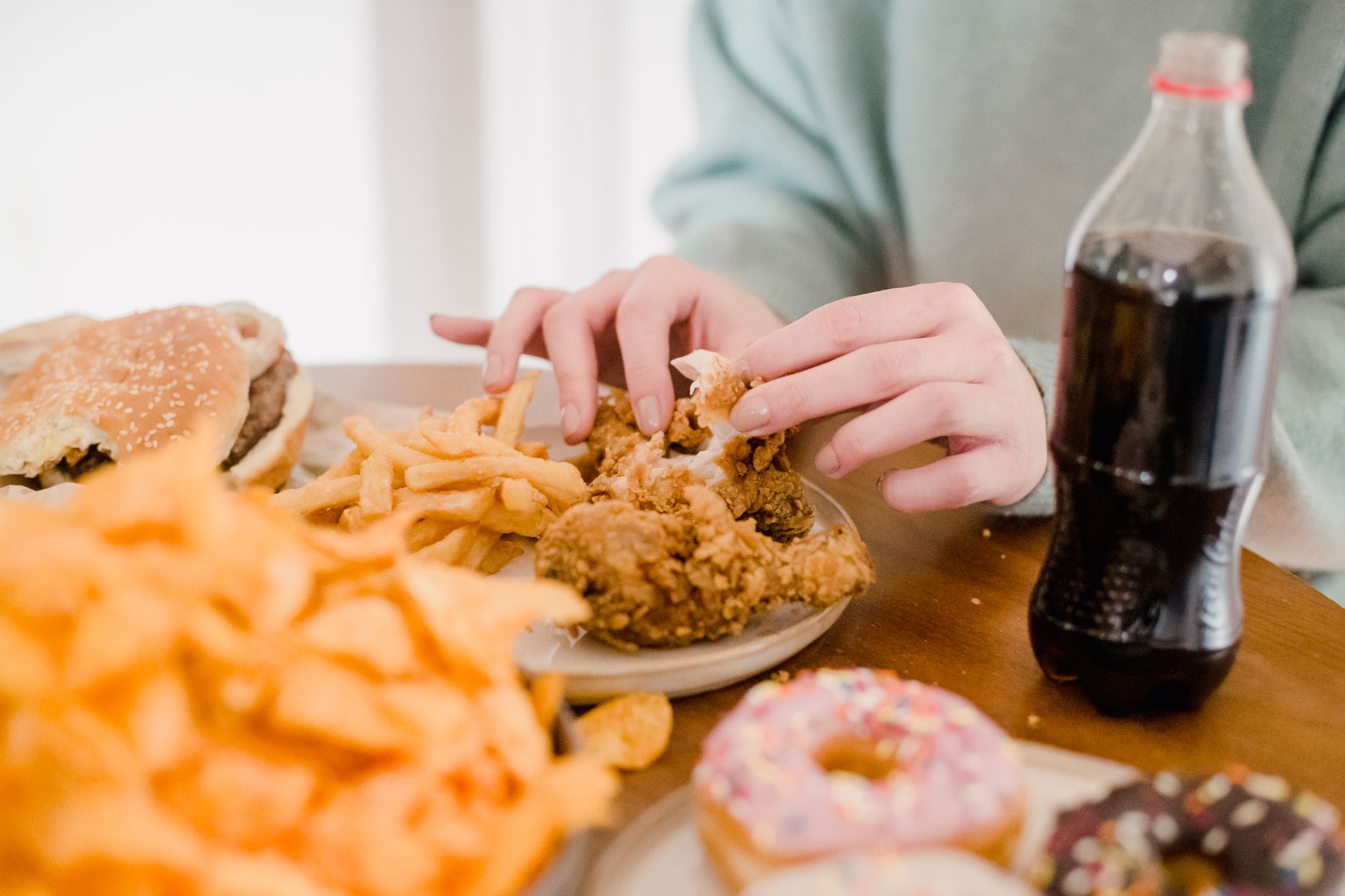
We’ve all been there. You’re enjoying a delicious snack, perhaps a favourite biscuit or a juicy piece of fruit, and suddenly, it slips from your grasp and lands on the floor. Before you can even process the mishap, the age-old question arises: Is it still safe to eat? Enter the infamous ‘5-second rule’ – the unofficial guideline that suggests if you snatch up dropped food within five seconds, it’s perfectly fine to consume. But does this common practice hold any water, or is it just a convenient urban legend designed to save us from food wastage? Let’s explore what science and common sense tell us about this popular notion.
In simple terms, the 5-second rule operates on the premise that bacteria and other microorganisms need more than five seconds to transfer from a surface to your food. It’s a comforting thought, especially when you’ve dropped something particularly tempting. The idea is that a quick retrieval prevents significant contamination. However, as with many popular beliefs, the reality might be a bit more complex and, dare we say, less palatable.
While the 5-second rule is widely known, robust scientific research on its validity has been limited. However, some studies have attempted to investigate this phenomenon. One notable study from Rutgers University shed some light on the matter. Researchers simulated dropping various foods onto different surfaces and measured the transfer of bacteria. Their findings suggest that contamination can happen much faster than five seconds – in some cases, in less than a single second!
The short answer is: it's complicated, and generally, it's best to err on the side of caution. While a healthy adult might consume food dropped on a relatively clean surface without immediate ill effects, it's not a guarantee of safety. The type and amount of bacteria present on the floor are unknown variables. Your kitchen floor, for example, might look clean, but it could harbour various germs from pets, shoes, or raw food preparation.
Consider this scenario: Little Priya dropped a piece of her favourite ladoo on the kitchen floor. Her mother, adhering to the 5-second rule, quickly picked it up, dusted it off, and gave it back to her. While Priya enjoyed her treat, her mother later wondered if she had made the right decision, considering their pet dog often walks in the kitchen.
The risk also increases significantly for certain individuals. People with weakened immune systems, such as those undergoing chemotherapy, organ transplant recipients, or individuals with chronic illnesses like diabetes or HIV, are far more susceptible to foodborne illnesses. For these individuals, even a small amount of bacteria from a dropped food item could lead to serious health complications.
Several factors influence how much bacteria transfers to dropped food:
Regardless of the 5-second rule, certain situations demand that you discard dropped food immediately:
The safest approach to dropped food is to prevent it from happening in the first place. However, when accidents do occur, the most reliable way to protect your health is to discard the food. While it might feel wasteful, your well-being is far more valuable than a single snack.
Practical Steps to Take:
Yes, it can. Dropped food can be contaminated with bacteria like Salmonella, E. coli, or Listeria, which can cause foodborne illnesses. Symptoms can range from mild stomach upset to severe vomiting, diarrhoea, fever, and dehydration.
Research suggests that carpet generally has a lower rate of bacterial transfer compared to hard surfaces like tile, wood, or stainless steel. However, this doesn't make it entirely safe, as contamination can still occur.
Dry food may pick up fewer bacteria than moist food because moisture facilitates bacterial transfer. However, bacteria can still adhere to dry surfaces, so it's not completely risk-free.
Children, especially those under five, have developing immune systems and are more vulnerable to foodborne illnesses. They are at a higher risk of experiencing severe symptoms if they consume contaminated food.
If you or someone in your family experiences symptoms of foodborne illness after consuming dropped food – such as persistent vomiting, severe diarrhoea, high fever, bloody stools, or signs of dehydration (like reduced urination, dry mouth, dizziness) – it is important to seek medical attention promptly. Contact your doctor or visit an emergency care facility, especially if symptoms are severe or do not improve within a couple of days.
Visit Hospital
Near You

Unpacking the persistent myth that men have fewer ribs than women. Discover the scientific truth about human rib anatomy and rare exceptions.
April 1, 2026

Curious about the soap pregnancy test trend? We explore how this DIY method is supposed to work, its lack of scientific evidence, and what reliable pregnancy testing options are available.
April 1, 2026

Discover the truth behind the popular folk remedy of putting potatoes in socks to cure colds. Learn why science says it doesn't work and explore the real health benefits of eating potatoes.
April 1, 2026