

Emergency & Help
24/7 Emergency & General Advisory
🚨 24/7 Medical Emergency
Non-Emergency Advisory
10:00 AM – 6:00 PM, Mon–Sat
For appointments & general queries.
24/7 Emergency & General Advisory
🚨 24/7 Medical Emergency
Non-Emergency Advisory
10:00 AM – 6:00 PM, Mon–Sat
For appointments & general queries.
Pre- and post-workout nutrition are two of the most impactful yet frequently confused aspects of sports nutrition. The right foods at the right times can meaningfully improve performance, accelerate recovery, and maximise muscle adaptation — here's exactly what to eat and when.
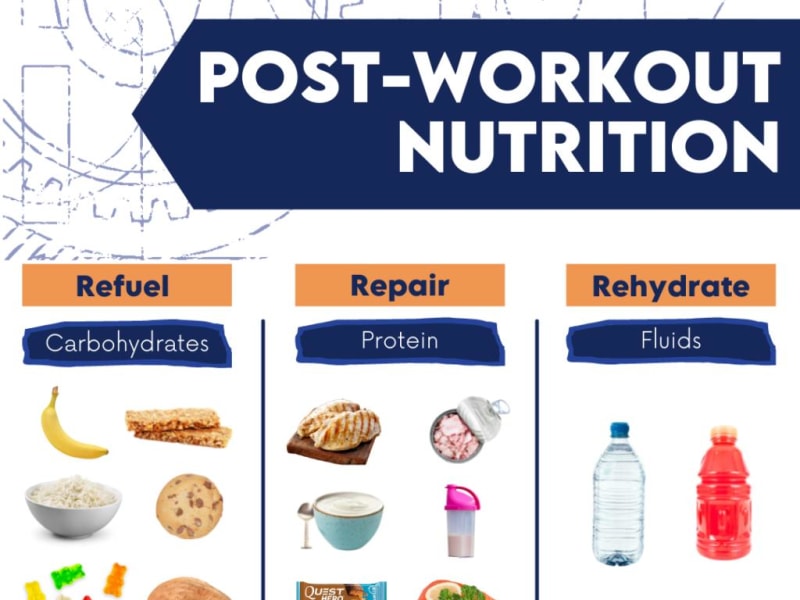
What you eat before and after a workout directly affects performance, recovery, and muscle growth. Here's the science-backed guide to workout nutrition timing.
The question of what to eat before and after a workout is one of the most commonly asked in sports nutrition — and one of the most inconsistently answered. The science is clearer than the marketplace of protein bars, pre-workout powders, and recovery shakes suggests. Understanding the physiological needs of your body around exercise allows you to make precise, evidence-based choices that improve both performance and recovery.
The goal of pre-workout food is threefold: maintain blood glucose throughout the session, preserve glycogen stores (particularly for sessions over 60 minutes), and prevent protein catabolism (muscle breakdown) during exercise.
Timing matters significantly. Eating a large meal within 60–90 minutes of intense exercise can impair performance by diverting blood flow to digestion. The optimal window for a substantial pre-workout meal is 2–3 hours before training; a smaller snack is appropriate 30–60 minutes prior.
2–3 hours before: A balanced meal of complex carbohydrates (oats, sweet potato, brown rice), moderate protein (chicken, eggs, Greek yoghurt), and low fat/fibre to minimise digestive discomfort. Example: oat porridge with banana and a boiled egg.
30–60 minutes before: A smaller, easily digestible snack — banana with nut butter, white rice cakes with honey and whey protein, or a date with a small amount of Greek yoghurt. Simpler carbohydrates are appropriate at this shorter interval.
Caffeine (3–6mg/kg, consumed 30–60 minutes pre-exercise) has the most robust performance-enhancing evidence of any nutritional supplement, improving endurance, power output, and cognitive performance.
Post-exercise nutrition targets two priorities: muscle protein synthesis (MPS) — the repair and growth of muscle fibres — and glycogen replenishment.
Protein within 2 hours: The "anabolic window" is wider than originally believed, but consuming 20–40g of high-quality protein within 2 hours post-exercise reliably maximises MPS. Leucine content is key — whey protein, chicken, eggs, and soy rank highly. For endurance athletes, protein needs post-workout may be lower (10–20g) than for strength training.
Carbohydrates for glycogen: Following high-intensity or prolonged exercise, pairing protein with carbohydrates (a 3:1 carb-to-protein ratio) accelerates glycogen resynthesis. This is particularly important if training again within 8–24 hours.
Tart cherry juice: Increasing evidence suggests tart cherry juice (30ml concentrate) reduces post-exercise muscle soreness and speeds recovery by inhibiting COX-1 and COX-2 inflammatory enzymes.
Hydration: Replace 150% of lost fluid volume (weigh before and after exercise; each kg lost = ~1 litre sweat). Include electrolytes (sodium, potassium) for sessions over 60 minutes.
The most common pre-workout mistake is training fasted for high-intensity sessions — beneficial for some metabolic adaptations in low-intensity work, but counterproductive for strength and high-performance training. Post-workout, the biggest error is prioritising supplements over whole food sources, which offer superior micronutrient and phytonutrient context for recovery.
The best foods before and after a workout are determined by timing, intensity, and individual goals. Prioritise complex carbohydrates and moderate protein pre-exercise, and high-quality protein with carbohydrates post-exercise. Leave the elaborate supplement stack for later — real food, timed intelligently, delivers most of the benefit.
1. What should I eat before a workout?
Eat carbs with some protein 2–3 hours before, or a light snack 30–60 minutes prior.
2. What should I eat after a workout?
Consume protein (20–40g) with carbs to support muscle recovery and energy replenishment.
3. Is pre- or post-workout nutrition more important?
Both matter, but post-workout nutrition is slightly more important for recovery.
Author: Doctar Team
Disclaimer: To get more information contact Doctar Team
Visit Hospital
Near You
Everything you need to know about appendix surgery in Garden Reach, from symptoms to recovery. Expert insights for informed decisions.
May 19, 2026
Explore advanced oral cancer treatment options available in Bardhaman. Understand diagnosis, therapies, and support for patients.
May 19, 2026
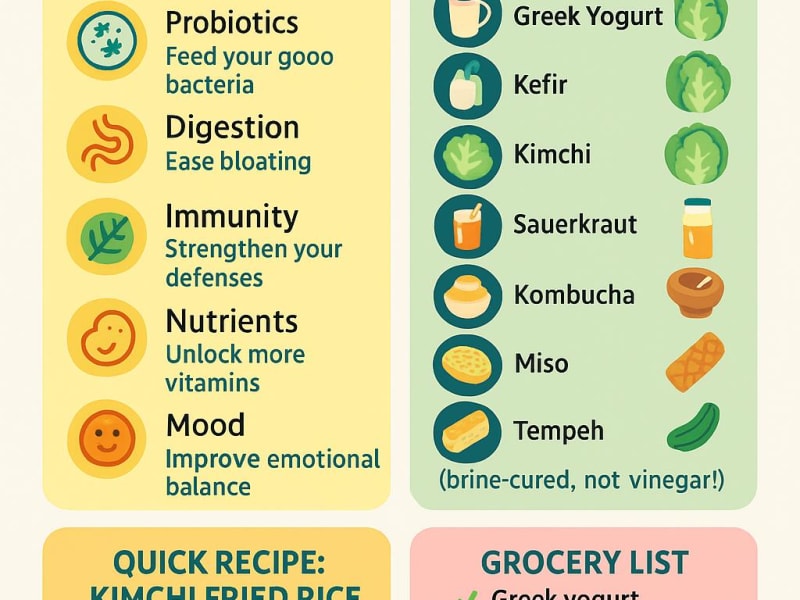
Fermented foods have nourished human gut health for millennia — and modern science is now confirming the mechanisms behind their benefits. From kefir to kimchi, this beginner's guide explains what fermented foods do in the body and how to incorporate them confidently.
April 14, 2026