

Emergency & Help
24/7 Emergency & General Advisory
🚨 24/7 Medical Emergency
Non-Emergency Advisory
10:00 AM – 6:00 PM, Mon–Sat
For appointments & general queries.
24/7 Emergency & General Advisory
🚨 24/7 Medical Emergency
Non-Emergency Advisory
10:00 AM – 6:00 PM, Mon–Sat
For appointments & general queries.
Explore advanced oral cancer treatment options available in Bardhaman. Understand diagnosis, therapies, and support for patients.
Oral cancer, a serious condition affecting the mouth or lips, requires timely and expert medical intervention. In Bardhaman, a growing number of healthcare facilities are offering advanced therapy approaches. Many of us have encountered individuals affected by this disease, highlighting the vital need for accessible and effective care.
What most people miss: early detection significantly boosts survival rates. Recognizing the initial signs is crucial. These can include a persistent sore on the lip or inside the mouth that doesn't heal, a white or red patch, a lump, or difficulty chewing or swallowing. If you notice any unusual changes, seeking prompt medical advice is essential.
Accurate diagnosis is the bedrock of any successful oral cancer care plan. Physicians in Bardhaman employ a range of diagnostic tools to identify the disorder and determine its stage.
Your doctor will begin with a thorough examination of your mouth, throat, and neck. They will inquire about your medical history, lifestyle habits (like smoking and alcohol consumption), and any family history of cancer. This initial assessment helps pinpoint potential areas of concern.
A biopsy is the most crucial diagnostic step. A small tissue sample is removed from the suspicious area and sent to a pathology lab. Pathologists examine this sample under a microscope to confirm the presence of cancerous cells and identify their type. This procedure is usually performed under local anesthesia.
That alone changes everything.
Depending on the suspected extent of the cancer, imaging tests may be recommended. These can include:
These tests enable specialists to understand the full scope of the disease, which is vital for planning the most impactful therapy.
Oral cancer therapy is highly individualized, depending on the cancer's stage, location, the patient's overall health, and personal preferences. Bardhaman's healthcare providers offer a spectrum of proven therapy options.
Surgery is often the first line of management for many oral cancers. The goal is to remove the tumor and a margin of healthy tissue around it. The extent of surgery varies greatly:
You'll notice that reconstructive techniques have significantly improved, helping patients regain speech and swallowing abilities.
Radiation therapy uses high-energy rays (like X-rays) to kill cancer cells or slow their growth. It can be used alone or in combination with surgery or chemotherapy.
Radiation therapy is a key component in controlling local disease and preventing recurrence. intervention protocols adhere to global standards, such as those outlined by the American Society of Clinical Oncology (ASCO).
Chemotherapy uses drugs to kill cancer cells throughout the body. It is often used for more advanced cancers, or when cancer has spread. Chemotherapy can be administered intravenously or orally.
In many cases, chemotherapy is combined with radiation therapy (chemoradiation) to boost the effectiveness of both treatments. This approach is particularly impactful for certain types of oral cancer.
As medical science advances, newer therapies are becoming available. Targeted therapy drugs focus on specific abnormalities within cancer cells, while immunotherapy helps the patient's own immune system fight the cancer. These options are increasingly being explored and utilized by specialists in Bardhaman.
This is where most those affected struggle.
Living with oral cancer is genuinely hard. Beyond medical treatments, robust support systems are vital for those affected and their families. Access to emotional, nutritional, and rehabilitative support can significantly enhance the quality of life during and after therapy.
Changes in taste, difficulty swallowing, and side effects from management can impact nutrition. Dietitians play a crucial role in helping sufferers maintain adequate nutrition through modified diets, supplements, and feeding tubes if necessary. Proper nutrition is vital for healing and maintaining strength.
Oral cancer therapy, particularly surgery and radiation, can affect speech and swallowing. Speech-language pathologists (SLPs) provide specialized therapy to help sufferers regain these functions. They work on exercises and strategies to improve articulation, voice quality, and safe swallowing.
So what does that mean for you? It means regaining a vital part of your daily life and communication.
A cancer diagnosis can be overwhelming. Psychological support, counseling, and support groups provide a safe space for individuals and their families to express their fears, anxieties, and hopes. Connecting with others who share similar experiences can be incredibly empowering.
And yet, so many people miss it.
Palliative care focuses on providing relief from the symptoms and stress of a serious illness. It aims to boost quality of life for both the patient and the family. This care can be provided alongside curative treatments.
Selecting the right healthcare team is a critical decision. Look for institutions and specialists with a proven track record in treating head and neck cancers. Consider factors such as:
Institutions like the Regional Cancer Centre (RCC) at various government medical colleges, although not directly in Bardhaman, often set the benchmark for care standards that local providers strive to meet. AIIMS Patna and Kolkata also serve as referral centers, indicating the level of expertise available in the broader region.
Here's the thing — navigating cancer care can feel like trying to find your way through a busy market in India; it requires clear guidance and reliable support. Having a dedicated medical team acts as your trusted guide.
approach doesn't end when the primary therapy is complete. Regular follow-up appointments are essential to monitor for recurrence, manage long-term side effects, and ensure continued recovery. Your physician will schedule these check-ups based on your specific situation.
That's the part worth remembering.
But why does this happen? Regular monitoring allows doctors to catch any potential issues early, when they are most treatable. It’s like checking the oil in your car regularly to prevent a breakdown.
While intervention focuses on managing existing cancer, prevention remains a key strategy. Reducing risk factors like tobacco use (including smokeless tobacco, prevalent in some parts of India), excessive alcohol consumption, and HPV infection can significantly lower the incidence of oral cancer.
Public awareness campaigns play a vital role in educating people about risks and early signs.
The World Health Organization (WHO) consistently emphasizes the link between lifestyle factors and cancer chance. By making informed choices, individuals can take proactive steps towards better oral health and overall well-being.
Oral cancer approach in Bardhaman is evolving, with specialists offering a range of reliable therapies. From advanced surgical techniques to innovative radiation and chemotherapy protocols, those affected have access to quality care.
Remember, early detection and a strong support system are your greatest allies. Embrace the journey towards healing with hope and determination.
Generally, it's advisable to avoid spicy and highly acidic foods immediately after care, as they can irritate healing tissues. Your doctor or a dietitian will provide specific dietary guidance based on your recovery stage.
And yet, so many people miss it.
Recovery time varies significantly depending on the extent of surgery. Minor procedures might require a few weeks, while extensive reconstructive surgery could take several months for full recovery and rehabilitation.
The danger of recurrence depends on factors like the cancer stage at diagnosis, the type of intervention received, and lifestyle habits post-approach. Regular follow-up care significantly helps in early detection of any recurrence.
While specific groups may vary, many hospitals and cancer care centers offer patient support services or can direct you to regional or online support networks. Inquire with your healthcare provider about available resources.
Always consult a qualified physician before making medical decisions.Visit Hospital
Near You
Everything you need to know about appendix surgery in Garden Reach, from symptoms to recovery. Expert insights for informed decisions.
May 19, 2026
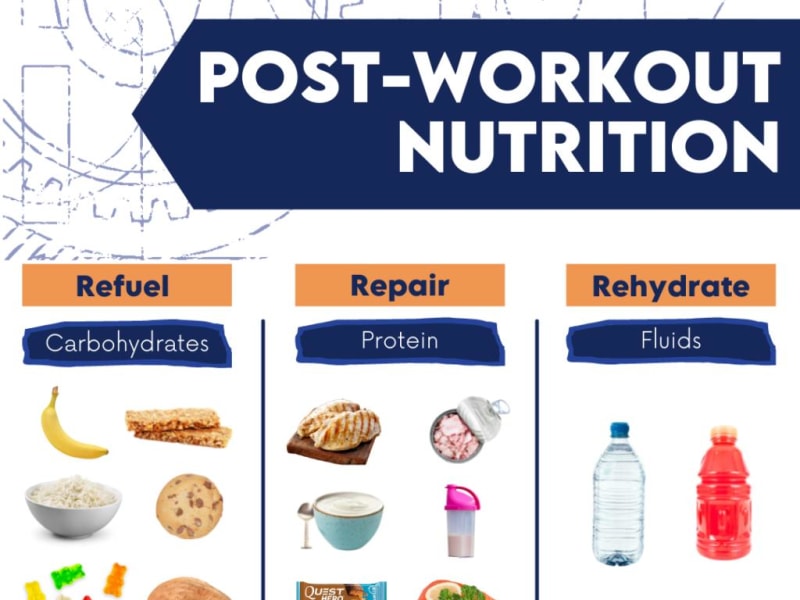
Pre- and post-workout nutrition are two of the most impactful yet frequently confused aspects of sports nutrition. The right foods at the right times can meaningfully improve performance, accelerate recovery, and maximise muscle adaptation — here's exactly what to eat and when.
April 14, 2026
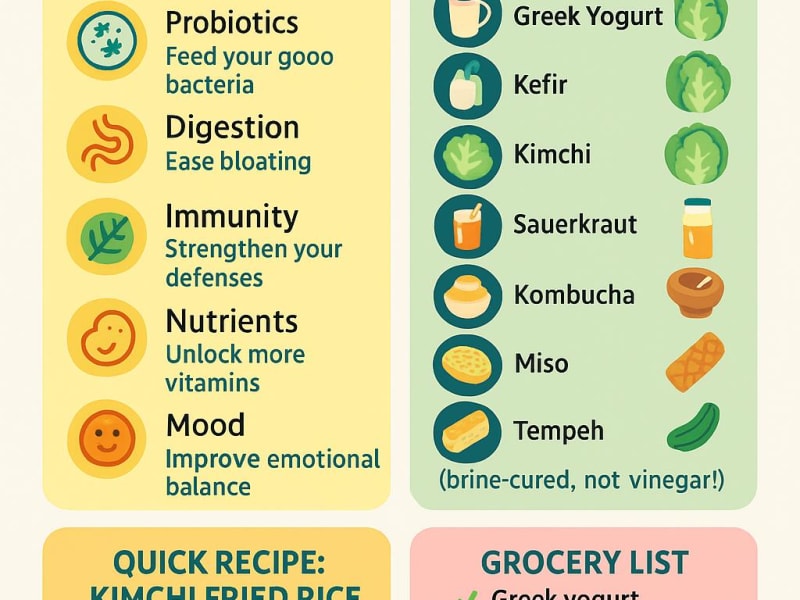
Fermented foods have nourished human gut health for millennia — and modern science is now confirming the mechanisms behind their benefits. From kefir to kimchi, this beginner's guide explains what fermented foods do in the body and how to incorporate them confidently.
April 14, 2026