

Emergency & Help
24/7 Emergency & General Advisory
🚨 24/7 Medical Emergency
Non-Emergency Advisory
10:00 AM – 6:00 PM, Mon–Sat
For appointments & general queries.
24/7 Emergency & General Advisory
🚨 24/7 Medical Emergency
Non-Emergency Advisory
10:00 AM – 6:00 PM, Mon–Sat
For appointments & general queries.
Fermented foods have nourished human gut health for millennia — and modern science is now confirming the mechanisms behind their benefits. From kefir to kimchi, this beginner's guide explains what fermented foods do in the body and how to incorporate them confidently.
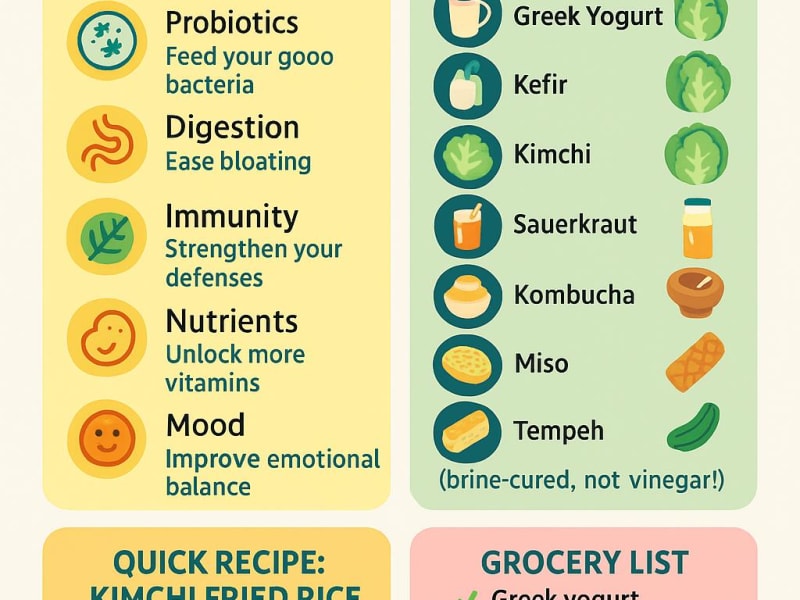
Fermented foods are among the most powerful dietary tools for gut health. This beginner's guide covers the science, best foods, and how to start adding them to your diet.
Fermentation is one of humanity's oldest food preservation techniques — and it turns out to be one of our most powerful nutritional tools. Modern gut microbiome research has provided compelling evidence that regular consumption of fermented foods produces measurable improvements in microbial diversity, immune function, and inflammatory markers. For gut health specifically, the evidence for fermented foods is among the most exciting developments in nutritional science this decade.
Fermentation is a metabolic process in which microorganisms — bacteria, yeast, or moulds — break down carbohydrates and proteins in food, producing organic acids, carbon dioxide, alcohol, and a range of bioactive compounds. This process:
Creates live beneficial bacteria (probiotics) that can colonise or influence the gut microbiome
Produces short-chain fatty acids (particularly butyrate) that support gut lining integrity
Increases the bioavailability of certain minerals (fermentation degrades phytic acid, which otherwise binds iron, zinc, and calcium)
Generates bioactive peptides and B vitamins as metabolic byproducts
Lowers the glycaemic index of fermented foods compared to their unfermented equivalents (important for sourdough bread and fermented dairy)
A landmark 2021 Stanford study published in Cell by Sonnenburg and Gardner found that a diet high in fermented foods (averaging 6 servings per day) significantly increased microbiome diversity and decreased markers of inflammation (including IL-6 and IL-12p70) compared to a high-fibre diet alone. This was a randomised controlled trial — strong evidence by nutritional research standards.
The Best Fermented Foods and Their Specific Benefits
Kefir: A fermented milk drink containing 30+ strains of bacteria and yeast. Superior probiotic diversity compared to most commercial yoghurts. Well-tolerated by most lactose-intolerant individuals due to lactase production by fermenting organisms. Associated with reduced LDL cholesterol and blood pressure.
Sauerkraut (unpasteurised): Fermented cabbage rich in Lactobacillus species, vitamin C, and K2. Must be refrigerated and unpasteurised to retain live cultures — shelf-stable jars have been heat-treated and contain no live bacteria.
Kimchi: Korean fermented vegetables (typically cabbage and radish) with added garlic, ginger, and chilli. Contains Lactobacillus kimchii and other species, plus anti-inflammatory compounds from garlic and capsaicin.
Miso: Fermented soybean paste used in Japanese cuisine. Contains Aspergillus oryzae and provides glutamate (umami), B vitamins, and isoflavones. Avoid boiling to preserve live cultures.
Tempeh: Whole soybean cake fermented by Rhizopus moulds. High in complete protein, B12 (in small amounts), and prebiotic fibre. Fermentation significantly improves soy protein digestibility.
Natural live yoghurt: Contains Lactobacillus bulgaricus and Streptococcus thermophilus; look for "live active cultures" on the label. Avoid flavoured varieties high in added sugar.
Water kefir and kombucha: Dairy-free fermented beverages. Kombucha contains less probiotic diversity than milk kefir but provides organic acids and modest antioxidants.
How to Start Without Overwhelming Your Gut
A common beginner mistake is introducing too many fermented foods at once, which can cause temporary bloating and gas as the microbiome adjusts. Start with one portion per day (e.g., 2 tablespoons of sauerkraut, 100ml of kefir, or a small portion of kimchi alongside a meal) and increase gradually over two to four weeks. Most people tolerate escalation well; those with SIBO (Small Intestinal Bacterial Overgrowth) may need to proceed more cautiously and under guidance.
Conclusion
Fermented foods for gut health represent one of the most practical, food-first interventions available. They're affordable, accessible, and backed by increasingly robust science. Begin with one fermented food daily, choose unpasteurised or live-culture varieties, and rotate between types for maximum microbiome diversity. Your gut bacteria will respond — typically within weeks.
1. What are fermented foods?
Foods made using beneficial microbes that improve gut health and digestion.
2. How much should beginners eat?
Start with small portions daily and increase gradually to avoid bloating.
3. Which fermented foods are best?
Kefir, yogurt, kimchi, sauerkraut, and tempeh are among the best choices.
Author: Doctar Team
Disclaimer: For more information contact Doctar Team.
Visit Hospital
Near You
Everything you need to know about appendix surgery in Garden Reach, from symptoms to recovery. Expert insights for informed decisions.
May 19, 2026
Explore advanced oral cancer treatment options available in Bardhaman. Understand diagnosis, therapies, and support for patients.
May 19, 2026
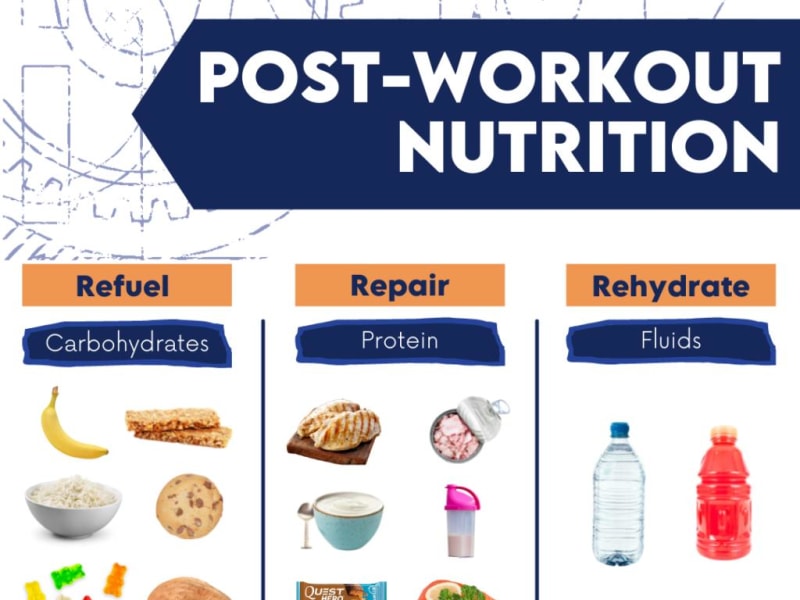
Pre- and post-workout nutrition are two of the most impactful yet frequently confused aspects of sports nutrition. The right foods at the right times can meaningfully improve performance, accelerate recovery, and maximise muscle adaptation — here's exactly what to eat and when.
April 14, 2026