

Emergency & Help
24/7 Emergency & General Advisory
🚨 24/7 Medical Emergency
Non-Emergency Advisory
10:00 AM – 6:00 PM, Mon–Sat
For appointments & general queries.
24/7 Emergency & General Advisory
🚨 24/7 Medical Emergency
Non-Emergency Advisory
10:00 AM – 6:00 PM, Mon–Sat
For appointments & general queries.
The average adult consumes only about 15 grams of fiber per day — roughly half the recommended minimum. This gap has real consequences for gut health, cardiovascular risk, and chronic disease. Here's everything you need to know about fiber and how to eat more of it.

Most adults consume barely half the recommended daily fiber. Discover why fiber is essential, what it does in the body, and the best sources to close the gap.
Of all the nutritional shortfalls in modern diets, the fiber gap is among the most consequential and least discussed. Current recommendations call for 25–38 grams of dietary fiber per day for adults, yet surveys consistently show average intake hovers around 15 grams — barely half the minimum. This isn't a minor statistical discrepancy; it's a population-wide deficiency with measurable effects on gut health, cardiovascular disease, diabetes risk, colon cancer rates, and longevity.
Dietary fiber is the indigestible portion of plant foods — and its "indigestibility" is precisely what makes it valuable. Fiber is not absorbed in the small intestine; instead, it reaches the colon largely intact, where it performs some of its most important functions. There are two primary types:
Soluble fiber dissolves in water to form a viscous gel that slows digestion, blunts blood sugar spikes, binds bile acids (lowering LDL cholesterol), and feeds beneficial gut bacteria. Sources include oats, psyllium husk, legumes, apples, and citrus fruits.
Insoluble fiber adds bulk to stool, speeds colonic transit, and reduces the risk of constipation and diverticular disease. Sources include wheat bran, vegetables, and whole grains.
Most importantly, soluble fiber acts as a prebiotic — fermented by gut bacteria into short-chain fatty acids (SCFAs), particularly butyrate, which is the primary fuel for colonocytes (colon cells) and a powerful regulator of immune function, inflammation, and gut barrier integrity. A butyrate-rich colonic environment is associated with significantly reduced colorectal cancer risk.
A 2019 meta-analysis in The Lancet found that eating 25–29g of fiber per day compared to under 15g was associated with a 15–30% reduction in all-cause mortality, cardiovascular disease, stroke, type 2 diabetes, and colorectal cancer
High fiber intake is consistently linked to reduced LDL cholesterol and lower blood pressure
Fiber increases satiety through GLP-1 and PYY hormone release, supporting weight management without caloric restriction
Inadequate fiber is the primary driver of poor microbiome diversity — the single most common cause of gut dysbiosis
Cooked split peas: 16g per cup
Black beans: 15g per cup
Lentils: 15.5g per cup
Avocado: 10g per whole fruit
Oats: 4g per 40g serving
Chia seeds: 10g per 28g
Pears: 5.5g per medium fruit
Broccoli: 5g per cooked cup
Quinoa: 5g per cooked cup
Fiber is not a supplementary nutrient — it is foundational to gut health, metabolic function, and disease prevention. Closing the fiber gap doesn't require dramatic dietary overhaul; it requires consistent prioritisation of legumes, whole grains, vegetables, and fruit at most meals. Adding one additional high-fiber food per meal could realistically double your daily intake within days.
1. How much fiber is needed daily?
Adults should aim for about 25–38g of fiber per day for optimal health.
2. Why is fiber important?
It supports gut health, lowers cholesterol, improves blood sugar control, and reduces disease risk.
3. What are the best fiber sources?
Top sources include beans, lentils, oats, fruits, vegetables, and whole grains.
Author : Doctar Team
Disclaimer: For more information contact Doctar Team
Visit Hospital
Near You
Everything you need to know about appendix surgery in Garden Reach, from symptoms to recovery. Expert insights for informed decisions.
May 19, 2026
Explore advanced oral cancer treatment options available in Bardhaman. Understand diagnosis, therapies, and support for patients.
May 19, 2026
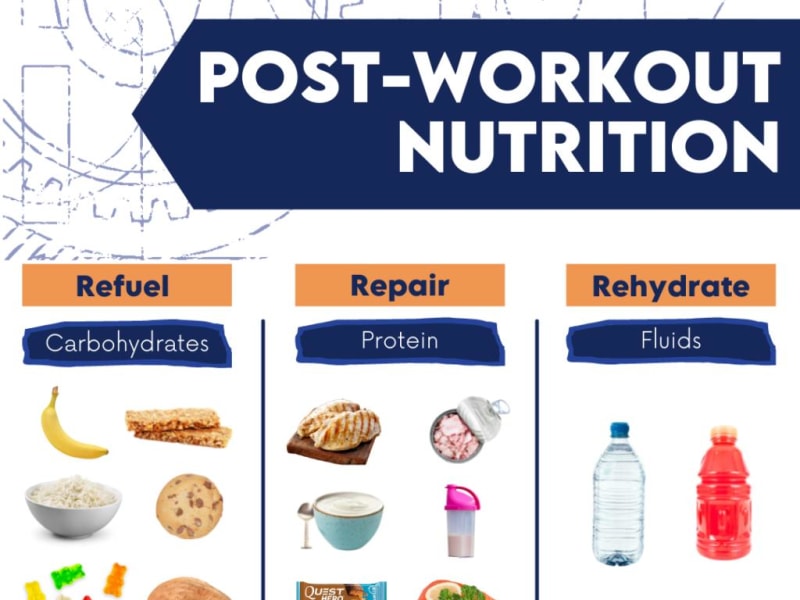
Pre- and post-workout nutrition are two of the most impactful yet frequently confused aspects of sports nutrition. The right foods at the right times can meaningfully improve performance, accelerate recovery, and maximise muscle adaptation — here's exactly what to eat and when.
April 14, 2026