

Emergency & Help
24/7 Emergency & General Advisory
🚨 24/7 Medical Emergency
Non-Emergency Advisory
10:00 AM – 6:00 PM, Mon–Sat
For appointments & general queries.
24/7 Emergency & General Advisory
🚨 24/7 Medical Emergency
Non-Emergency Advisory
10:00 AM – 6:00 PM, Mon–Sat
For appointments & general queries.
Learn how to pick the perfect, juicy watermelon every time! This guide uses simple tests – the field spot, sound, and weight – to help you select the sweetest fruit at Indian markets.

Ah, the watermelon! Summer's quintessential delight, a juicy, refreshing treat that's as beloved in India as it is anywhere else. Whether you're at a bustling local mandi or a modern supermarket, the quest for that perfect, sweet, and crisp watermelon can sometimes feel like a game of chance. But what if I told you there are tried-and-true methods, passed down through generations and backed by a little bit of science, to help you select a winner every time? Forget those disappointing, watery, or bland slices. This guide is your ticket to watermelon bliss, tailored for our Indian palate and market. We’ll cover everything from the tell-tale signs of ripeness to avoiding those that might disappoint.
It’s more than just about enjoying a tasty fruit. A good watermelon is packed with hydration and essential nutrients. It’s a fantastic source of Vitamin C, Vitamin A, and lycopene, an antioxidant linked to heart health and cancer prevention. For families, especially during the hot Indian summers, it’s a healthy and delicious way to keep everyone hydrated and happy. Conversely, picking a bad one can lead to disappointment and wasted money. Who wants a melon that’s fibrous, sour, or just plain tasteless?
Let's start with what your eyes can tell you. When you’re browsing through a pile of watermelons, keep these visual cues in mind:
This is a classic for a reason. Gently tap the watermelon with your knuckles. What sound does it make? A ripe watermelon will produce a deep, hollow sound, almost like a drum. If it sounds dull or flat, it might be overripe or have a mealy texture. A high-pitched sound could mean it's underripe. So, give it a good tap – listen for that resonant, hollow thrum.
As mentioned earlier, a good watermelon should feel heavy for its size. This heaviness indicates it's full of water and therefore juicy and ripe. Pick up a few melons of similar size and compare their weights. The one that feels significantly heavier is likely your best bet.
While not always present or a definitive sign, the condition of the stem can offer some clues. If the stem is still attached, look for one that's dry and shriveled. This suggests the melon detached naturally from the vine when it was ripe. A green, fresh-looking stem might indicate it was picked prematurely.
We often hear tips like “smell it” or “look for black seeds.” Let’s clarify:
Imagine you're at the local market, and a vendor has a large pile of watermelons. You pick one up, notice a creamy yellow spot on its side, tap it gently, and it gives off a satisfying hollow sound. It feels heavier than the others of similar size. You give it a quick visual inspection, ensuring the skin is dull and the shape is uniform. This melon ticks all the boxes, and you confidently purchase it, knowing you've likely made an excellent choice for your family’s evening snack.
Once you've selected your prize, handle it with care. Transport it home without dropping or bruising it. Store it in a cool, dry place until you're ready to cut it. If you cut it and don't finish it, wrap the cut surface tightly with plastic wrap or store it in an airtight container in the refrigerator. Enjoy it within 2-3 days for the best flavour and texture.
Steer clear of watermelons that:
Choosing a watermelon doesn't have to be a mystery. By using these simple, practical tips – the field spot, the sound test, the weight check, and the visual inspection – you can significantly increase your chances of picking a perfectly ripe, sweet, and juicy watermelon. So next time you're at the market, shop with confidence and get ready to savour the taste of summer!
Visit Hospital
Near You
Everything you need to know about appendix surgery in Garden Reach, from symptoms to recovery. Expert insights for informed decisions.
May 19, 2026
Explore advanced oral cancer treatment options available in Bardhaman. Understand diagnosis, therapies, and support for patients.
May 19, 2026
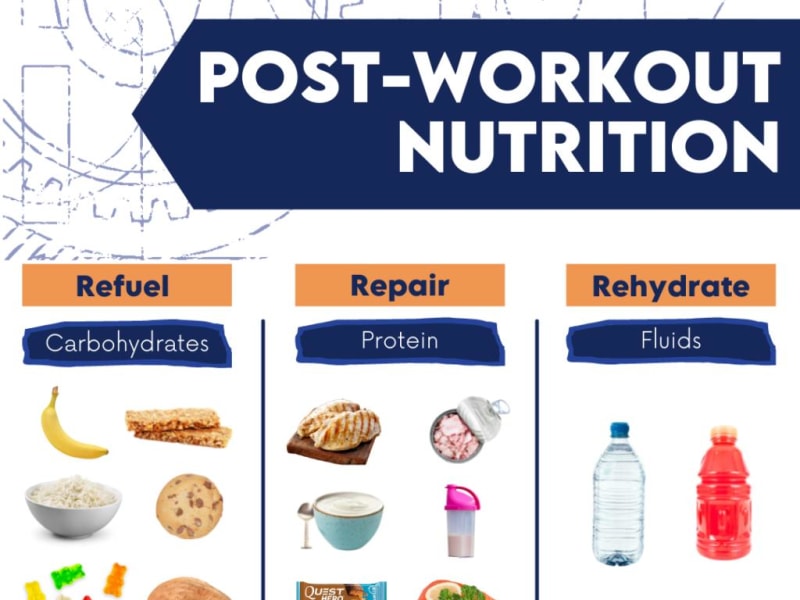
Pre- and post-workout nutrition are two of the most impactful yet frequently confused aspects of sports nutrition. The right foods at the right times can meaningfully improve performance, accelerate recovery, and maximise muscle adaptation — here's exactly what to eat and when.
April 14, 2026