

Emergency & Help
24/7 Emergency & General Advisory
🚨 24/7 Medical Emergency
Non-Emergency Advisory
10:00 AM – 6:00 PM, Mon–Sat
For appointments & general queries.
24/7 Emergency & General Advisory
🚨 24/7 Medical Emergency
Non-Emergency Advisory
10:00 AM – 6:00 PM, Mon–Sat
For appointments & general queries.
Intermittent fasting and time-restricted eating are two of the most studied dietary strategies of the past decade — but the distinction between them matters enormously. This science-backed breakdown clarifies the differences and helps you decide which approach suits your goals.
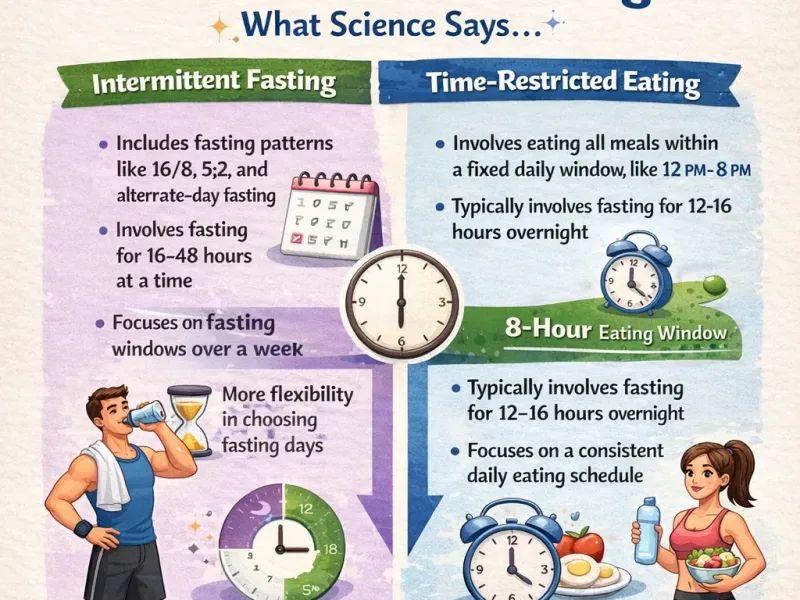
Intermittent fasting and time-restricted eating are often used interchangeably — but they're not the same. Here's what the latest research actually shows.
Hardly any dietary subject has elicited as much research - or misunderstanding - as intermittent fasting. Intermittent fasting (IF) and time-restricted eating (TRE) can be easily considered the same phenomenon, yet they are not similar and their mechanisms, evidence, and implications. It is also significant to know the difference when you would like to obtain scientifically-grounded results rather than trend-following.
The overall term used to describe any form of foods that include switching between eating and fasting is intermittent fasting. Common ones include 5:2 (eating normally five days, limited at circa 500 calories per day) and alternate day fasting, as well as 24-hour fasts. Time-restricted eating, in turn, is a type of diet where the total food intake is limited to a certain period of time, usually 8-12 hrs without necessarily a decrease in caloric intake. The 16:8 protocol (16-hours of fasting and 8-hours of eating) is the most researched type of TRE. The key distinction: IF is a state of purposeful caloric deficiency or a complete day of fasting whereas TRE is more time-oriented and is based on organ rhythms. A Salk Institute study has discovered that circadian-timed TRE (Eating earlier in the day) has metabolic benefits in addition to the metabolic benefits derived through caloric restriction.
Metabolic health: A 2022 review in the New England Journal of Medicine affirmed that both IF and TRE enhance insulin sensitivity, fasting glucose, and blood pressure in adults with overweight.
Weight loss: IF and TRE have been found to bring weight loss similarity to sustained caloric restriction when the total calories are equalized - the advantage could be in ease of adherence.
Autophagy: Cellular autophagy is induced by prolonged starvation (18+ hours) - a cellular housekeeping pathway linked to reduced cancer risk and lifespan. TRE that includes an 8-hour window yields lesser autophagy advantages compared to longer fasts.
Cardiovascular risk: Early TRE (eating between 7am -3pm) has been particularly promising in lowering LDL cholesterol and blood pressure in controlled trials.
Muscle maintenance: TRE in the absence of protein focus and resistance training may lead to muscle loss, which is not much reported.
Hormonal effects: Aggressive IF diets can lead to hormonal imbalance in women; research about the topic is underway.
The when in TRE is not as popularly known. Eating circadian biology -eating early in the day- has been shown to have improved metabolic outcomes as compared to eating late in the day. In an article in Cell Metabolism, early TRE positively influenced insulin sensitivity, blood pressure, and oxidative stress indicators in prediabetic men even though there was no caloric restriction. The fact that most of the calories are consumed after 7pm, despite having 8 hours, is a big nullifier of these benefits.
Both intermittent fasting and time-restricted eating have valid scientific support, albeit, they do so by different mechanisms. TRE works better to most individuals and is not incongruent with circadian biology when used properly. It might be appropriate that restriction days like 5:2 would be appropriate in the case of IF protocols. The best way is the one which you will be performing, regularly- and which will maintain muscle mass.
1. What is the difference between IF and TRE?
IF involves fasting cycles with calorie restriction; TRE limits eating to a daily time window.
2. Which is better for weight loss?
Both work similarly if calories are equal—consistency matters more.
3. Does TRE give the same benefits as IF?
TRE improves metabolism, but longer IF may offer more autophagy benefits.
Author: Doctar team
Disclaimer- For more information connect with Doctor on Doctar.
Visit Hospital
Near You
Everything you need to know about appendix surgery in Garden Reach, from symptoms to recovery. Expert insights for informed decisions.
May 19, 2026
Explore advanced oral cancer treatment options available in Bardhaman. Understand diagnosis, therapies, and support for patients.
May 19, 2026
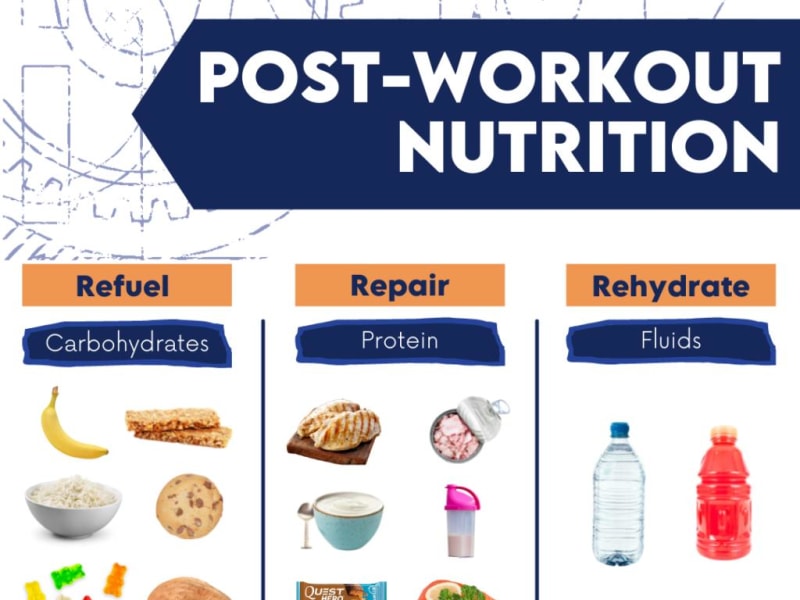
Pre- and post-workout nutrition are two of the most impactful yet frequently confused aspects of sports nutrition. The right foods at the right times can meaningfully improve performance, accelerate recovery, and maximise muscle adaptation — here's exactly what to eat and when.
April 14, 2026