

Emergency & Help
24/7 Emergency & General Advisory
🚨 24/7 Medical Emergency
Non-Emergency Advisory
10:00 AM – 6:00 PM, Mon–Sat
For appointments & general queries.
24/7 Emergency & General Advisory
🚨 24/7 Medical Emergency
Non-Emergency Advisory
10:00 AM – 6:00 PM, Mon–Sat
For appointments & general queries.
Magnesium is involved in over 300 enzymatic reactions in the body — yet an estimated 50% of Western adults consume less than the recommended amount. Recognising deficiency is complicated by the fact that standard blood tests often miss it. Here's what to look for and how to fix it through food.
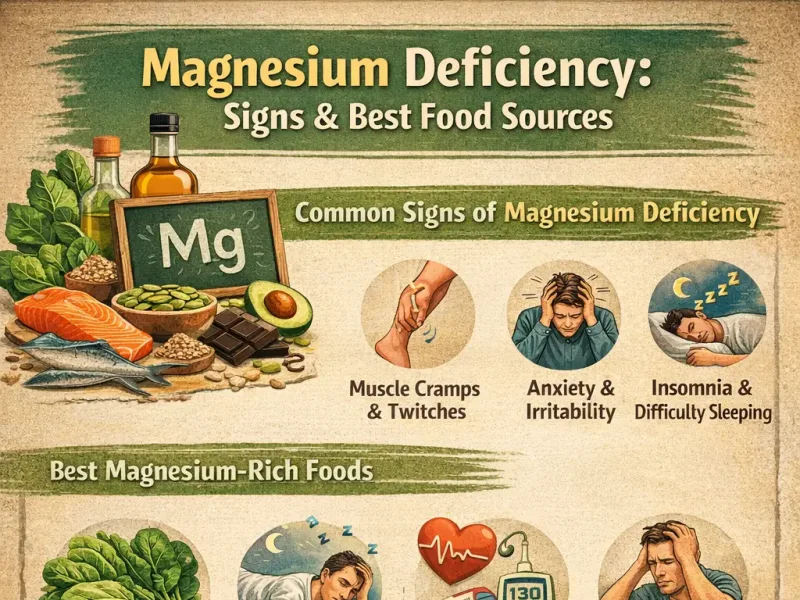
Magnesium deficiency affects up to 50% of adults and is linked to anxiety, insomnia, and muscle cramps. Learn the signs and top food sources to fix it.
The other most essential mineral in human health, which is highly neglected is magnesium. It is involved in more than 300 enzyme reactions- energy production, repair of the DNA, protein synthesis and in the body in the regulation of the nervous system. But magnesium deficiency (hypomagnesemia and its milder form, subclinical deficiency) is just out of proportion in the developed world with vast population surveys indicating that up to half of Americans are failing to take the recommended amount of magnesium (310420mg) per day.
The combination of factors which contribute to magnesium deficiency becoming one of the most frequent, and least diagnosed diseases is a combination. In the last 60 years, soil depletion has been caused by modern agricultural activities leading to a major reduction in magnesium content in crops. Whole foods that are sources of magnesium are also replaced by processed food. The total quantity of magnesium in serum is a mere 0.3 percent of a total body magnesium - in other words conventional blood test of magnesium may be normal when cellular stores become depleted. This sub clinical or functional deficiency is referred to by clinicians. Causes of excessive loss of magnesium are: excessive alcohol, chronic stress (cortisol stimulates the urinary magnesium loss), excessive caffeine, certain drugs (PPIs, diuretics, antibiotics) and gastrointestinal disease Crohn disease, coeliac disease.
Neuromuscular: Cramps, twitches (fasciculations), restless legs syndrome, tremor.
Neurological/Psychological: Intolerance to stress, irritability, brain fog and depression.
Obviously, sleep disturbance: trouble getting to sleep and inadequate sleep quality (magnesium controls melatonin and GABA)
Cardiovascular: Cardiovascular risk, abnormal heart rhythm and high blood pressure.
Metabolic: Resistant to insulin and at risk of type 2 diabetes; magnesium is needed in the insulin receptor activity.
Musculoskeletal: Headache (chronic tension), migraine and clenching of the jaw (bruxism).
Fatigue: Magnesium is required to compose ATP; without magnesium the formation of energy in the cells cannot take place.
Instead of using supplements, it is better to focus on food-first correction:
Pumpkin seeds: 156mg in 28g - the seed of pumpkin is one of the richest sources of it.
dark leafy greens (spinach, Swiss chard): 157mg of one cooked cup of spinach.
Black beans/lentils: 60120mg/cooked cup.
Dark chocolate (70%+): 64mg per 28g square
Almonds and cashews: 80mg/28g.
Avocado: 58mg of one whole fruit.
Grains (whole grains, quinoa, oats, brown rice):6080mg/cooked cup.
Salmon and mackerel: 26-30mg/85gs.
Conclusion
The occurrence of magnesium deficiency is far broader than clinical statistics would have us think and its consequences, which go all the way up to poor sleep and anxiety, high blood pressure and impaired metabolism are far-reaching. The symptoms should be detected as the issue is often not revealed in serum tests. Eats sufficient amounts of magnesium in whole foods and magnesium in the glycitate or malate form as a supplement in case of dietary deficiency. It is a small change of potentially big payoffs.
1. What are the common signs of magnesium deficiency?
Muscle cramps, fatigue, anxiety, poor sleep, and headaches are common symptoms.
2. Why is magnesium deficiency so common?
Due to processed diets, soil depletion, stress, caffeine, and certain medications.
3. What foods are best to increase magnesium?
Pumpkin seeds, leafy greens, nuts, dark chocolate, whole grains, and legumes.
Author: Doctar team
Disclaimer- For more information connect with Doctor on Doctar.
Visit Hospital
Near You
Everything you need to know about appendix surgery in Garden Reach, from symptoms to recovery. Expert insights for informed decisions.
May 19, 2026
Explore advanced oral cancer treatment options available in Bardhaman. Understand diagnosis, therapies, and support for patients.
May 19, 2026
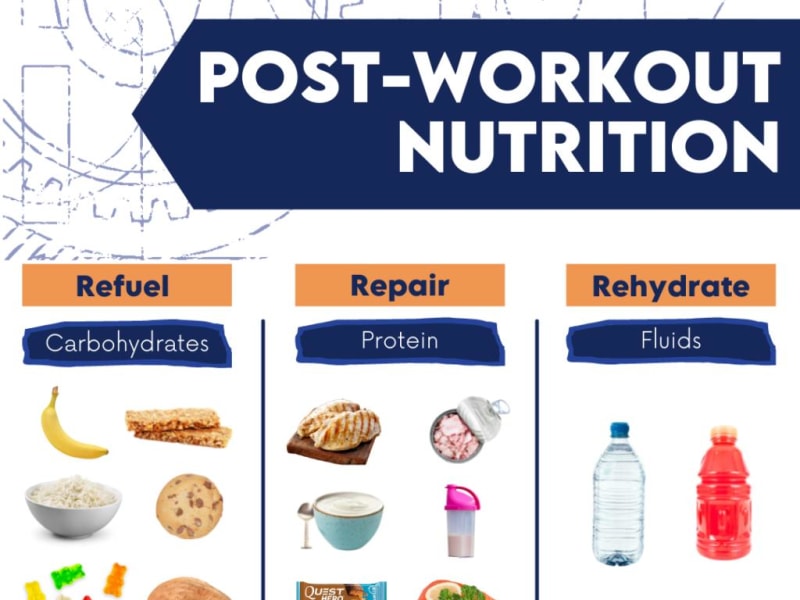
Pre- and post-workout nutrition are two of the most impactful yet frequently confused aspects of sports nutrition. The right foods at the right times can meaningfully improve performance, accelerate recovery, and maximise muscle adaptation — here's exactly what to eat and when.
April 14, 2026