

Emergency & Help
24/7 Emergency & General Advisory
🚨 24/7 Medical Emergency
Non-Emergency Advisory
10:00 AM – 6:00 PM, Mon–Sat
For appointments & general queries.
24/7 Emergency & General Advisory
🚨 24/7 Medical Emergency
Non-Emergency Advisory
10:00 AM – 6:00 PM, Mon–Sat
For appointments & general queries.
The Mediterranean diet is among the most studied dietary patterns in the world. Here's what the science actually says about its effects on longevity and disease. Mediterranean Diet for Longevity: A Science-Backed Breakdown The Mediterranean diet consistently ranks as one of the most protective die

The Mediterranean diet is among the most studied dietary patterns in the world. Here's what the science actually says about its effects on longevity and disease.
The Mediterranean diet consistently ranks as one of the most protective dietary patterns ever studied. Unlike many dietary trends born from popular culture, it emerged from decades of epidemiological observation — beginning with Ancel Keys' Seven Countries Study in the 1950s — and has since been tested in rigorous randomised controlled trials. For longevity specifically, the evidence supporting the Mediterranean diet is among the most compelling in nutritional science.
The landmark PREDIMED trial (Prevención con Dieta Mediterránea), involving over 7,000 participants at high cardiovascular risk, found that adherence to a Mediterranean diet supplemented with extra virgin olive oil or nuts reduced major cardiovascular events by approximately 30% compared to a low-fat control diet. The trial was so compelling it was stopped early on ethical grounds — it was considered inappropriate to continue denying the control group access to what appeared to be a clearly superior intervention. Beyond cardiovascular outcomes, the Mediterranean diet is associated with:
Reduced all-cause mortality — multiple meta-analyses confirm a 10–20% reduction in mortality risk with high adherence
Cognitive protection — the MIND diet (a Mediterranean-DASH hybrid) is associated with significantly slower cognitive decline
Reduced type 2 diabetes risk — improved insulin sensitivity via high fibre, polyphenols, and healthy fats
Lower cancer incidence — particularly colorectal and breast cancer, linked to high fibre and anti-inflammatory compounds
Reduced depression risk — the SMILES and HELFIMED trials both demonstrated antidepressant effects from Mediterranean dietary patterns
The Mediterranean diet's longevity benefits aren't attributable to a single superfood but to the synergistic combination of its components:
Extra virgin olive oil (primary fat source): Oleic acid and oleocanthal reduce LDL oxidation and systemic inflammation
Abundant vegetables and legumes: Fibre, polyphenols, and micronutrients support microbiome diversity and reduce oxidative stress
Fish 2–3 times weekly: Omega-3 fatty acids (EPA/DHA) reduce triglycerides and inflammation
Moderate whole grains: Provide sustained energy and support insulin sensitivity
Moderate red wine (optional and contested): Resveratrol shows promise, but benefits may be attributable to overall dietary pattern and social context
Nuts daily (walnuts, almonds): Associated with reduced cardiovascular mortality in prospective studies
Minimal processed and red meat: Reduces saturated fat, haem iron oxidation, and nitrosamine exposure
A common misconception is that the Mediterranean diet is a specific rigid plan. It's more accurately described as a dietary pattern — characterised by food quality, variety, and proportion rather than precise macros or calorie targets. It is inherently flexible, culturally adaptable, and sustainable, which partly explains its remarkable long-term adherence rates in clinical studies.
The Mediterranean diet earns its reputation for longevity through decades of rigorous evidence, not marketing. Its power lies in combination: olive oil, plants, fish, legumes, and nuts working synergistically to reduce inflammation, oxidative stress, and metabolic dysfunction. Adopting it gradually — starting with olive oil as your primary cooking fat and increasing plant food variety — is a science-backed investment in a longer, healthier life.
1. Is the Mediterranean diet suitable for weight loss?
Yes — while not designed specifically for weight loss, it naturally supports it by emphasizing whole, nutrient-dense foods, healthy fats, and high fibre, which improve satiety and reduce overeating.
2. Do you need to drink red wine to get the benefits?
No — red wine is optional. Most health benefits come from the overall dietary pattern, not alcohol, and similar benefits can be achieved without drinking.
3. How quickly can you see health benefits from the Mediterranean diet?
Some benefits like improved blood sugar and cholesterol can appear within weeks, while long-term effects such as reduced disease risk and increased longevity develop over months to years.
Author: Doctar Team
Disclaimer- For more information connect with Doctor on Doctar.
Visit Hospital
Near You
Everything you need to know about appendix surgery in Garden Reach, from symptoms to recovery. Expert insights for informed decisions.
May 19, 2026
Explore advanced oral cancer treatment options available in Bardhaman. Understand diagnosis, therapies, and support for patients.
May 19, 2026
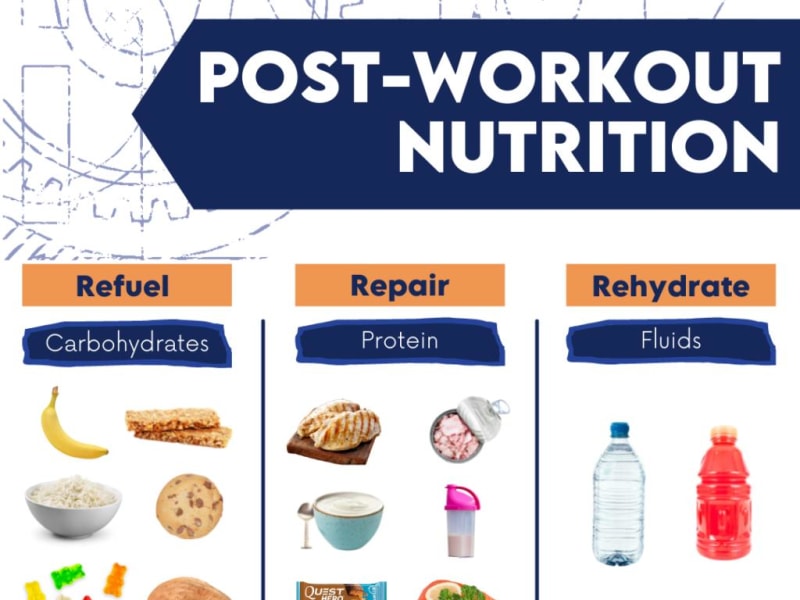
Pre- and post-workout nutrition are two of the most impactful yet frequently confused aspects of sports nutrition. The right foods at the right times can meaningfully improve performance, accelerate recovery, and maximise muscle adaptation — here's exactly what to eat and when.
April 14, 2026