

Emergency & Help
24/7 Emergency & General Advisory
🚨 24/7 Medical Emergency
Non-Emergency Advisory
10:00 AM – 6:00 PM, Mon–Sat
For appointments & general queries.
24/7 Emergency & General Advisory
🚨 24/7 Medical Emergency
Non-Emergency Advisory
10:00 AM – 6:00 PM, Mon–Sat
For appointments & general queries.
Discover the incredible health benefits of mushrooms! Learn how these fungi can boost your immunity and explore delicious recipes like hot chocolate, soup, and shiitake 'bacon'.

Hey there, health explorers! Ever looked at a mushroom and just seen… well, a mushroom? Get ready to have your mind blown because these fascinating fungi are far more than meets the eye. For centuries, across different cultures, mushrooms have been hailed as more than just a culinary delight. Ancient Greek warriors supposedly gobbled them up for an edge in battle. In China? They were considered an “elixir of life.” Pretty impressive for something that grows on logs and damp soil, right?
While we often chuck them in the vegetable drawer, scientifically speaking, mushrooms are actually a type of fungus. And the world of edible mushrooms is vast – we’re talking over 2,000 varieties! Each offers a unique flavour, texture, and, importantly, a treasure trove of health benefits.
Mushrooms aren't just tasty; they're packed with goodness. Think fiber, riboflavin, niacin, and selenium – all essential for keeping your body humming along. And here's a cool fact: they're one of the few plant-based sources of Vitamin D, a vitamin that plays a superhero role in keeping your immune system strong. But it gets even better. Many specific types of mushrooms have been intensely studied for their potent medicinal properties.
Let's shine a spotlight on a few of these medicinal marvels:
With so many amazing mushrooms out there, the ways to incorporate them into your diet are practically endless. Forget boring salads; we’re talking about making mushrooms the star of your meals! Here are a few delicious ideas to get you started:
Feeling a bit under the weather? Or maybe you just crave a warm, comforting drink? This isn't your average hot chocolate. We’re giving it a serious immunity upgrade by adding medicinal mushroom powder. It’s a cozy treat that works overtime to support your well-being.
What you’ll need:
How to make it:
When you’re not feeling 100%, a simple, hearty soup can be incredibly soothing. This mushroom soup is easy to whip up and packed with flavour. Feel free to experiment with different mushroom varieties or add your favourite greens and veggies to make it your own.
What you’ll need:
How to make it:
Looking for a healthier, plant-based alternative to bacon? These shiitake mushrooms are incredibly crisp, savory, and absolutely delicious. They’re a fantastic addition to sandwiches, salads, pasta dishes, or just as a crunchy snack!
What you’ll need:
How to make it:
While mushrooms are generally safe and incredibly beneficial, it’s always wise to be informed. If you have any specific health conditions, allergies, or are taking medications, it’s a good idea to mention incorporating medicinal mushrooms into your diet with your healthcare provider. They can offer personalised advice based on your unique health profile. Especially if you're considering using concentrated mushroom supplements, professional guidance is key.
Remember: This information is for general knowledge and awareness. It is not a substitute for professional medical advice. Always consult with a qualified healthcare provider for any health concerns or before making any decisions related to your health or treatment.
Visit Hospital
Near You
Everything you need to know about appendix surgery in Garden Reach, from symptoms to recovery. Expert insights for informed decisions.
May 19, 2026
Explore advanced oral cancer treatment options available in Bardhaman. Understand diagnosis, therapies, and support for patients.
May 19, 2026
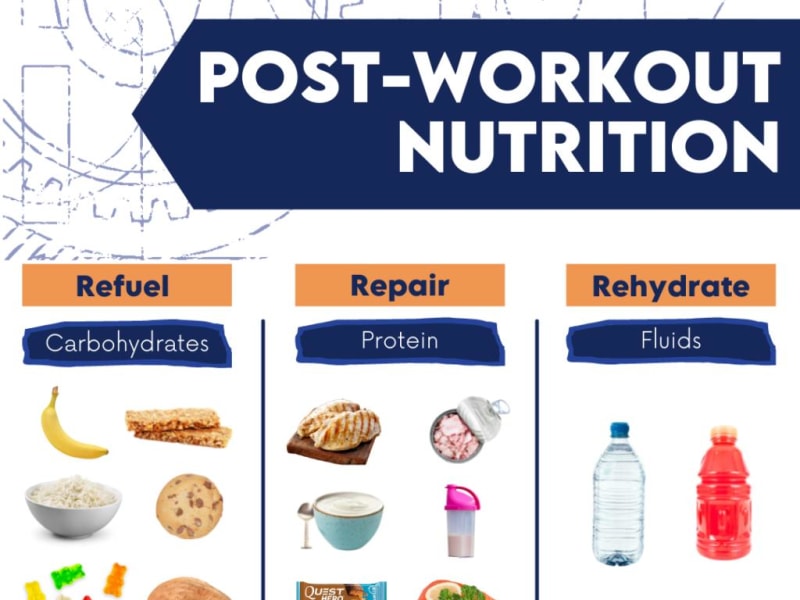
Pre- and post-workout nutrition are two of the most impactful yet frequently confused aspects of sports nutrition. The right foods at the right times can meaningfully improve performance, accelerate recovery, and maximise muscle adaptation — here's exactly what to eat and when.
April 14, 2026