

Emergency & Help
24/7 Emergency & General Advisory
🚨 24/7 Medical Emergency
Non-Emergency Advisory
10:00 AM – 6:00 PM, Mon–Sat
For appointments & general queries.
24/7 Emergency & General Advisory
🚨 24/7 Medical Emergency
Non-Emergency Advisory
10:00 AM – 6:00 PM, Mon–Sat
For appointments & general queries.
Explore the world of nutrition supplements, from essential vitamins and minerals to specialized options for eye health. Learn who can benefit, how to choose wisely, and integrate them safely into your wellness routine to bridge nutritional gaps and support overall health.

In our fast-paced modern world, maintaining optimal nutrition can be a challenge. Even with a seemingly balanced diet, many individuals wonder if they are getting all the essential vitamins and minerals their bodies need. This is where nutrition supplements come into play, offering a concentrated source of nutrients to complement your dietary intake. Far from being a magic bullet, supplements are designed to support overall health and address specific nutritional gaps, helping you achieve your wellness goals.
Nutrition supplements encompass a broad category of products designed to provide nutrients that might be missing or not consumed in sufficient quantities in a person's diet. They come in various forms, including pills, capsules, powders, liquids, and soft gels. These supplements can include vitamins, minerals, herbs, amino acids, enzymes, and other botanical or dietary substances.
The primary goal of taking supplements is to improve health, prevent disease, or enhance performance. While a healthy, balanced diet remains the cornerstone of good health, certain life stages, dietary restrictions, or health conditions may warrant the addition of supplements. It's crucial to remember that supplements are meant to 'supplement' – not replace – a nutritious diet.
Our eyes are constantly exposed to environmental stressors and the demands of digital screens. Specific nutrients play a critical role in maintaining good vision and preventing age-related eye conditions. Incorporating certain dietary support and supplements for eye health can be highly beneficial.
Several vitamins, minerals, and antioxidants are particularly important for the eyes:
For individuals whose diets may not provide sufficient amounts of these key nutrients, or those with a higher risk of eye conditions, targeted eye health supplements containing combinations of lutein, zeaxanthin, omega-3s, and other antioxidants can offer valuable support. Always consult an eye care professional or doctor before starting any new supplement regimen.
While a balanced diet is ideal, certain groups may find supplements particularly helpful:
The supplement market can be overwhelming. Here's how to navigate it safely:
In conclusion, nutrition supplements can play a valuable role in supporting overall health and addressing specific nutritional needs, including specialized benefits for areas like eye health. However, their use should always be part of a thoughtful, informed approach to wellness, ideally guided by professional medical advice.
Q1: Are nutrition supplements always necessary?
A1: Not always. Many individuals can meet their nutritional needs through a well-balanced diet. However, factors like dietary restrictions, certain medical conditions, age, or specific health goals might make supplements beneficial or even necessary.
Q2: Can I take multiple supplements at once?
A2: It depends on the specific supplements. Some combinations can be synergistic, while others might lead to excessive intake of certain nutrients or interact negatively. Always consult a healthcare professional before combining multiple supplements.
Q3: How do I know if a supplement is safe and effective?
A3: Look for reputable brands that conduct third-party testing and have certifications (e.g., USP, NSF). Research the ingredients and dosages, and prioritize supplements backed by scientific evidence. Most importantly, consult with a doctor or dietitian.
Q4: What are the best supplements for general health?
A4: For general health, a good multivitamin, Vitamin D, and Omega-3 fatty acids are often recommended if dietary intake is insufficient. However, individual needs vary greatly, so personalized advice from a healthcare provider is essential.
Visit Hospital
Near You
Everything you need to know about appendix surgery in Garden Reach, from symptoms to recovery. Expert insights for informed decisions.
May 19, 2026
Explore advanced oral cancer treatment options available in Bardhaman. Understand diagnosis, therapies, and support for patients.
May 19, 2026
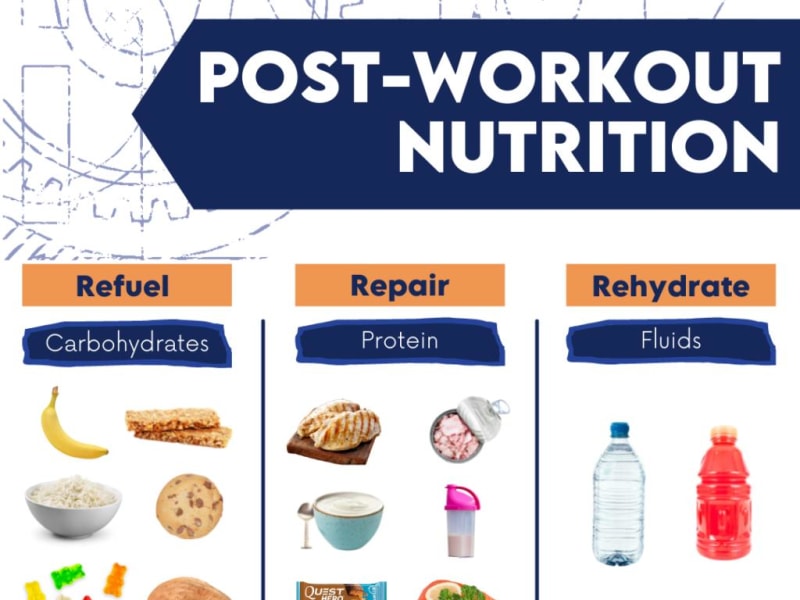
Pre- and post-workout nutrition are two of the most impactful yet frequently confused aspects of sports nutrition. The right foods at the right times can meaningfully improve performance, accelerate recovery, and maximise muscle adaptation — here's exactly what to eat and when.
April 14, 2026