

Emergency & Help
24/7 Emergency & General Advisory
🚨 24/7 Medical Emergency
Non-Emergency Advisory
10:00 AM – 6:00 PM, Mon–Sat
For appointments & general queries.
24/7 Emergency & General Advisory
🚨 24/7 Medical Emergency
Non-Emergency Advisory
10:00 AM – 6:00 PM, Mon–Sat
For appointments & general queries.
Plant proteins vary significantly in amino acid completeness and digestibility — and choosing the right ones matters for muscle maintenance, satiety, and overall health. This ranked guide separates the best plant protein sources from those that need strategic pairing.
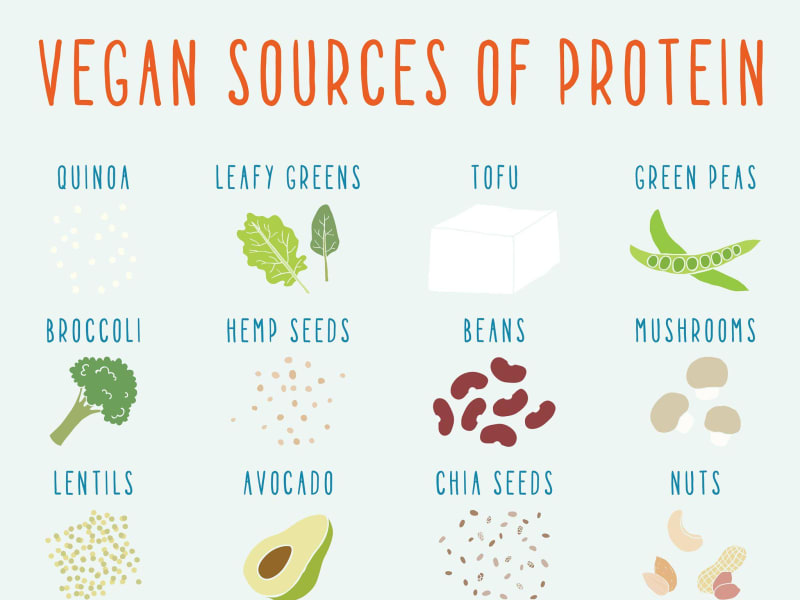
Not all plant proteins are created equal. Here's how the most popular plant-based protein sources rank for amino acid completeness and bioavailability.
The nutritional adequacy of plant-based protein sources is one of the most practically important and frequently oversimplified topics in modern nutrition. The headline claim — that plant proteins are "incomplete" — is technically accurate for most sources but misleading in practice. Understanding which plant proteins come closest to completeness, how to assess them, and how to combine strategically gives you a clear, evidence-based framework for meeting protein needs without animal products.
PDCAAS (Protein Digestibility-Corrected Amino Acid Score): Measures whether a protein contains all essential amino acids in sufficient quantities relative to human requirements, adjusted for digestibility. A score of 1.0 is the maximum.
DIAAS (Digestible Indispensable Amino Acid Score): A newer, more accurate successor to PDCAAS that accounts for actual ileal (small intestinal) digestibility rather than whole-body digestibility. DIAAS scores above 1.0 indicate high-quality protein; most plant foods score below 1.0.
The limiting amino acids in most plant proteins are lysine (in grains and nuts), methionine (in legumes), and tryptophan (in some grains). Understanding this helps guide food combinations.
Soy (tofu, tempeh, edamame, soy milk): PDCAAS ~1.0; DIAAS ~0.91–0.97. The gold standard of plant proteins. Contains all essential amino acids in adequate proportions and has the highest bioavailability among plant sources. Tempeh offers additional benefit through fermentation, which increases digestibility.
Quinoa: PDCAAS ~0.9; a rare grain-like seed containing all nine essential amino acids, with notably higher lysine than most grains. Well-suited as a grain replacement for those seeking plant protein completeness.
Buckwheat: PDCAAS ~0.8; higher in lysine than most cereals and a meaningful source of quality amino acids despite being grain-like in culinary use.
Hemp seeds: Contain all essential amino acids including significant gamma-linolenic acid (GLA); digestibility is moderate but better than most seeds.
Chia seeds: All essential amino acids present; lower overall protein density than hemp but nutritionally valuable for omega-3s and fibre.
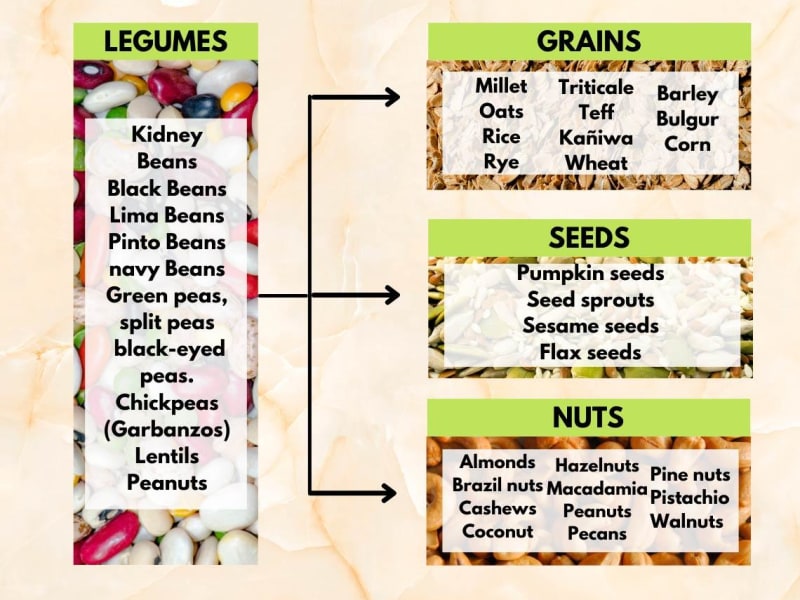
Legumes (lentils, chickpeas, black beans): High in lysine but limiting in methionine. PDCAAS ~0.5–0.7. Strategically paired with grains (rice, wheat, corn), the combined amino acid profile becomes complete.
Pea protein (isolated): DIAAS ~0.82; commercially important and increasingly common in plant-based protein powders. Lacks methionine but pairs well with rice protein.
Grains (oats, wheat, rice): High in methionine, limiting in lysine. Alone, incomplete — but essential pairing partners for legumes.
Strategic complementary pairing, such as rice and beans, hummus and pita, or lentil soup with whole grain bread, produces a complete amino acid profile. These combinations don't need to occur at the same meal — research shows that amino acid complementation works across meals consumed within the same day.
Plant-based protein sources vary considerably in completeness, but with informed choices — centring soy, quinoa, hemp, and strategically combining grains with legumes — meeting full amino acid requirements is entirely achievable. Prioritise variety, aim for higher total protein intake to compensate for digestibility differences, and base your choices on DIAAS scores rather than simple protein content alone.
1. Are plant proteins incomplete?
Most are individually incomplete, but combining different sources easily provides all essential amino acids.
2. Which plant protein is most complete?
Soy is the most complete, followed by quinoa and buckwheat.
3. Do you need to combine proteins in one meal?
No, combining them across the day is enough to meet amino acid needs.
Author: Doctar Team
Disclaimer: For more information contact Doctar Team
Visit Hospital
Near You
Everything you need to know about appendix surgery in Garden Reach, from symptoms to recovery. Expert insights for informed decisions.
May 19, 2026
Explore advanced oral cancer treatment options available in Bardhaman. Understand diagnosis, therapies, and support for patients.
May 19, 2026
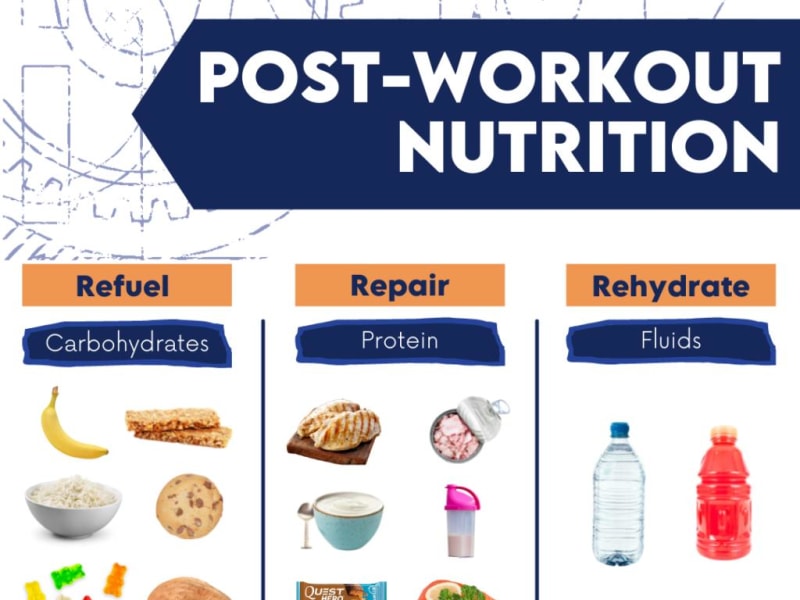
Pre- and post-workout nutrition are two of the most impactful yet frequently confused aspects of sports nutrition. The right foods at the right times can meaningfully improve performance, accelerate recovery, and maximise muscle adaptation — here's exactly what to eat and when.
April 14, 2026