

Emergency & Help
24/7 Emergency & General Advisory
🚨 24/7 Medical Emergency
Non-Emergency Advisory
10:00 AM – 6:00 PM, Mon–Sat
For appointments & general queries.
24/7 Emergency & General Advisory
🚨 24/7 Medical Emergency
Non-Emergency Advisory
10:00 AM – 6:00 PM, Mon–Sat
For appointments & general queries.
Discover the surprising health benefits of real wasabi, from its anti-inflammatory and antibacterial properties to its potential antioxidant and anticancer effects. Learn how to enjoy this fiery paste safely.

The vibrant green paste that accompanies your sushi and sashimi is more than just a flavor enhancer. Wasabi, often referred to as Japanese horseradish, packs a punch not only in taste but also in potential health benefits. While its characteristic heat might make your eyes water, the compounds within this rhizome could offer a surprising array of advantages for your well-being. Let's explore the fiery truth behind wasabi and its health-promoting properties.
True wasabi, scientifically known as Wasabia japonica, is a plant native to Japan. It's the rhizome (underground stem) of this plant that is grated to produce the pungent paste we are familiar with. However, what most people consume outside of Japan, and even in many Japanese restaurants, is not true wasabi. It's typically a mixture of horseradish, mustard, and green food coloring. This imitation wasabi, while similar in taste and appearance, lacks the unique compounds and full spectrum of benefits found in authentic wasabi.
The cultivation of true wasabi is challenging. It requires specific growing conditions, thriving in cool, moist environments, often along riverbeds. This difficulty in cultivation contributes to its high cost and limited availability, making authentic wasabi a luxury item.
Despite its rarity, the compounds found in genuine wasabi have been studied for their potential health effects. These benefits are largely attributed to isothiocyanates, the same compounds that give horseradish and mustard their spicy kick. These powerful plant compounds are thought to be responsible for many of wasabi's purported health advantages.
Chronic inflammation is a root cause of many serious diseases, including heart disease, cancer, and arthritis. The isothiocyanates in wasabi have demonstrated anti-inflammatory effects in laboratory studies. They work by inhibiting certain pathways in the body that trigger inflammation. This means that regular, moderate consumption of true wasabi might help reduce the body's inflammatory response.
Imagine an elderly gentleman, Mr. Sharma, who suffers from occasional joint pain. He enjoys a small amount of sushi with real wasabi once a week. While it's not a cure, he often remarks that his joints feel a little less stiff on those days. This anecdotal evidence aligns with the potential anti-inflammatory effects of wasabi.
Historically, wasabi was used in Japan to detect or purify food. Its strong antibacterial properties were believed to kill harmful bacteria in raw fish, reducing the risk of foodborne illnesses. Studies have shown that wasabi extracts can inhibit the growth of various bacteria, including E. coli and Staphylococcus aureus. This makes it a valuable companion to raw or undercooked foods.
Antioxidants are vital for protecting our cells from damage caused by free radicals. Free radicals are unstable molecules that can lead to oxidative stress, contributing to aging and chronic diseases. Wasabi contains antioxidants that help neutralize these harmful molecules. By combating oxidative stress, wasabi may play a role in protecting your body at a cellular level.
Some research suggests that wasabi may have a positive impact on bone health. Studies, primarily in animals, have indicated that certain compounds in wasabi could help prevent bone loss. While more human research is needed, this is a promising area of investigation, especially for individuals concerned about osteoporosis.
This is perhaps one of the most exciting areas of wasabi research. Laboratory and animal studies have explored the potential anticancer properties of wasabi's isothiocyanates. These compounds appear to slow the growth of cancer cells and may even induce cancer cell death (apoptosis). They may also help the body detoxify carcinogens. However, it's crucial to remember that these are preliminary findings, and wasabi is not a substitute for conventional cancer treatment.
While not a magic bullet for weight loss, some components of wasabi might offer a slight metabolic boost. The pungent compounds can increase body temperature and heart rate, similar to how spicy foods can temporarily increase metabolism. Additionally, the strong flavor might help people feel more satisfied with smaller portions of food.
Given its potent flavor and potential benefits, enjoying wasabi in moderation is key. Here are some ways to add authentic wasabi to your meals:
When purchasing wasabi, look for products labeled as "100% pure wasabi" or "Hon-wasabi." These are more likely to be authentic. If the ingredient list includes horseradish, mustard, and coloring, it's likely an imitation.
While wasabi offers potential benefits, it's not without its considerations:
While wasabi is generally safe for most people when consumed in typical culinary amounts, you should consult a doctor if you experience any of the following:
Imitation wasabi is generally safe in moderation, but it lacks the unique beneficial compounds found in true wasabi. It primarily consists of horseradish and mustard, which have their own properties but are not identical to wasabi's.
There's no set daily recommended intake for wasabi. It's best enjoyed as a condiment in small amounts. Listen to your body; if you experience discomfort, reduce your intake.
Some research suggests that isothiocyanates may have anti-allergic properties by modulating the immune response. However, more conclusive human studies are needed in this area.
In summary, the fiery kick of wasabi might just be a sign of its powerful health potential. From its anti-inflammatory and antibacterial properties to its antioxidant capacity and potential roles in bone health and cancer prevention, true wasabi is a fascinating food worth exploring. Remember to seek out authentic wasabi and enjoy it in moderation as part of a healthy, balanced diet.
Visit Hospital
Near You
Everything you need to know about appendix surgery in Garden Reach, from symptoms to recovery. Expert insights for informed decisions.
May 19, 2026
Explore advanced oral cancer treatment options available in Bardhaman. Understand diagnosis, therapies, and support for patients.
May 19, 2026
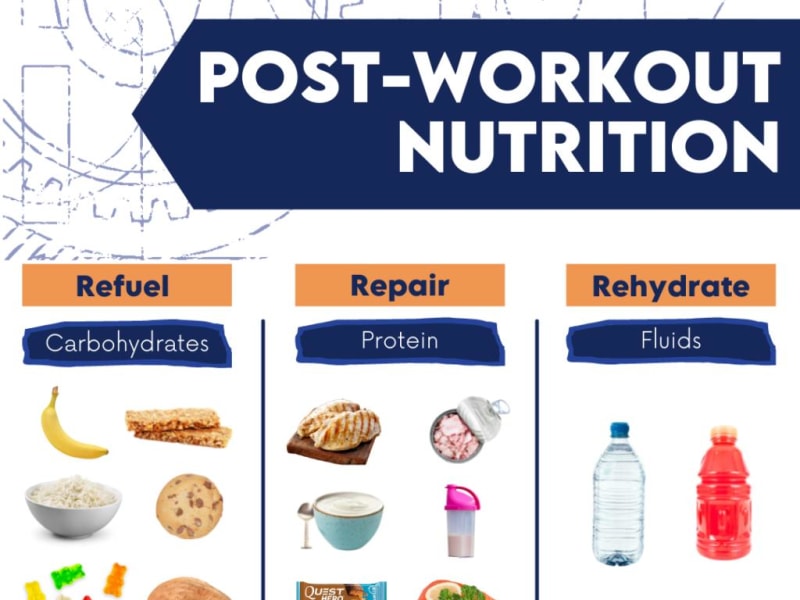
Pre- and post-workout nutrition are two of the most impactful yet frequently confused aspects of sports nutrition. The right foods at the right times can meaningfully improve performance, accelerate recovery, and maximise muscle adaptation — here's exactly what to eat and when.
April 14, 2026