

Emergency & Help
24/7 Emergency & General Advisory
🚨 24/7 Medical Emergency
Non-Emergency Advisory
10:00 AM – 6:00 PM, Mon–Sat
For appointments & general queries.
24/7 Emergency & General Advisory
🚨 24/7 Medical Emergency
Non-Emergency Advisory
10:00 AM – 6:00 PM, Mon–Sat
For appointments & general queries.
Nutrition professionals are often asked what they eat — and the answer might surprise you. Less perfection, more strategy. A registered dietitian walks through a realistic day of eating with the evidence-based rationale behind every meal.

Curious what a nutrition expert actually eats? A registered dietitian shares a real, practical day of eating — with the reasoning behind every choice.
One of the most common questions nutrition professionals receive is deceptively simple: "So what do you actually eat?" The assumption behind it is that a registered dietitian must follow a perfectly optimised, joyless regimen of superfoods. The reality is more nuanced — and far more useful. What a dietitian eats reflects not perfection, but an intuitive application of evidence, flexibility, and genuine enjoyment of food.
The day begins not with a green juice but with a high-protein breakfast — because the evidence for protein at breakfast as a satiety and blood sugar regulator is robust. A typical morning meal: two scrambled eggs with smoked salmon and wilted spinach, served on a slice of sourdough rye bread. The logic here is layered: eggs provide complete protein and choline; salmon delivers omega-3 fatty acids and vitamin D; spinach contributes folate, iron, and magnesium; sourdough rye has a lower glycaemic index than white bread and adds fermentation-derived benefits for gut health. Coffee follows — black, because the research on moderate coffee consumption is broadly positive for cognitive function and metabolic health.
Mid-morning, if hungry: a small handful of mixed nuts (walnuts and almonds particularly) with a piece of whole fruit. No rigid snack schedule — hunger cues guide the timing.
Lunch is built around vegetables first — a large base of mixed leaves, roasted red pepper, cucumber, cherry tomatoes, and shredded carrots, topped with tinned sardines or leftover baked salmon, dressed with extra virgin olive oil and apple cider vinegar. A portion of cooked lentils or chickpeas adds legume-sourced fibre and plant protein. This meal is deliberately high in volume and fibre to support satiety and gut bacteria through the afternoon.
Afternoon energy dip? Dark chocolate (85% cocoa) — which provides magnesium, polyphenols, and genuine satisfaction without a sugar crash — alongside herbal tea. This isn't a compromise; it's a deliberate, evidence-informed pleasure.
Dinner is where rigidity ends. A typical evening meal might be a simple stir-fry with tofu, broccoli, garlic, ginger, and brown rice; or a piece of baked cod with roasted root vegetables; or, occasionally, pasta with a vegetable-heavy sauce. The guiding principles: include a protein source, half the plate in vegetables, and a whole-food carbohydrate. Beyond that, variety and enjoyment take precedence.
What a dietitian does not do: count macros obsessively, avoid entire food groups without medical reason, or feel guilt about choosing a less-than-optimal meal. Food flexibility is associated with better long-term dietary adherence than rigid restriction.
What a registered dietitian eats in a day is less about perfection and more about consistent, enjoyable application of nutritional principles: protein at breakfast, plants throughout, omega-3s regularly, fibre prioritised, and flexibility honoured. The best diet is one you can maintain for life — and life includes pasta, chocolate, and meals that aren't Instagram-worthy. That's the real expert position.
No, registered dietitians do not follow a rigid or “perfect” diet. Instead, they apply evidence-based principles with flexibility. Their eating pattern focuses on balance, variety, and sustainability rather than strict rules, allowing room for enjoyment and occasional indulgences.
Protein at breakfast helps improve satiety, stabilize blood sugar levels, and reduce cravings later in the day. Foods like eggs, yogurt, or nuts provide sustained energy and support better appetite control compared to high-sugar or refined carbohydrate breakfasts.
No, dietitians do not completely avoid foods like chocolate or pasta. They include them in moderation as part of a balanced diet. This flexible approach helps maintain a healthy relationship with food and supports long-term adherence to healthy eating habits.
Author : Doctar Team
Disclaimer :For more information connect with Doctor on Doctar.
Visit Hospital
Near You
Everything you need to know about appendix surgery in Garden Reach, from symptoms to recovery. Expert insights for informed decisions.
May 19, 2026
Explore advanced oral cancer treatment options available in Bardhaman. Understand diagnosis, therapies, and support for patients.
May 19, 2026
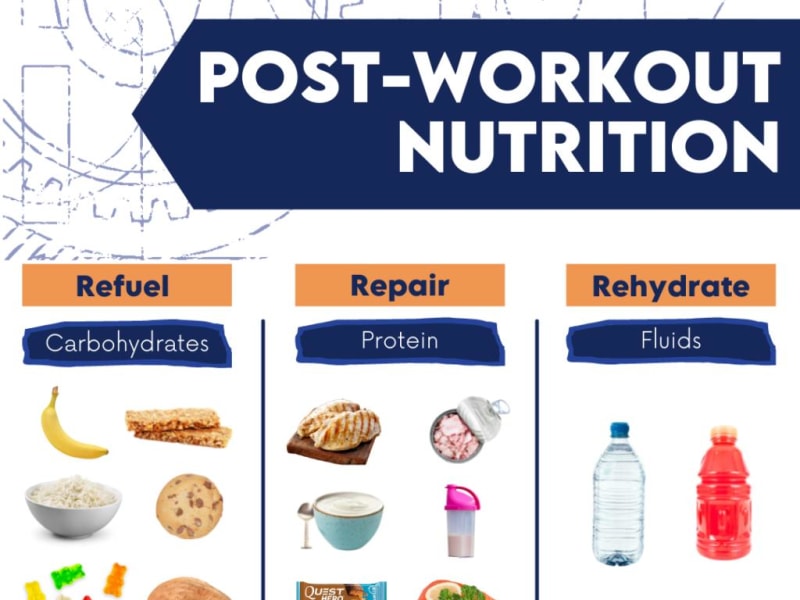
Pre- and post-workout nutrition are two of the most impactful yet frequently confused aspects of sports nutrition. The right foods at the right times can meaningfully improve performance, accelerate recovery, and maximise muscle adaptation — here's exactly what to eat and when.
April 14, 2026