Meena's Journey: Taking Charge of Her Health
Meena, 45, a homemaker from Jaipur, noticed persistent fatigue and unusual thirst. Initially dismissing it as stress, her concern grew when her vision blurred during a family wedding. After a routine check-up, she was diagnosed with Type 2 diabetes. Frankly, this news was overwhelming.
She worried about lifelong medication and dietary restrictions, especially with her love for traditional Indian sweets and festive meals. Her doctor, however, guided her towards a more positive outlook, emphasizing that with the right approach, diabetes could be managed effectively. Consider this: food, often seen as a source of pleasure, could also be her ally in regaining command of her health. This is Meena's story, and it could be yours too, as we explore how 45 food items can significantly aid in managing glucose levels.
Understanding Glucose Management
Maintaining stable glucose levels is paramount for overall health, particularly for individuals managing diabetes or prediabetes. High glucose, or hyperglycemia, can lead to serious long-term complications affecting the heart, kidneys, eyes, and nerves. Conversely, dangerously low glucose, or hypoglycemia, can cause immediate distress and confusion.
What most people miss is that the food we consume plays a direct and profound role in regulating these levels. The Glycemic Index (GI) and Glycemic Load (GL) are crucial concepts here; they measure how quickly a carbohydrate-containing food raises blood glucose levels after consumption.
Here's where it gets interesting.
Foods with a low GI (55 or less) and low GL are generally preferred as they are digested and absorbed more slowly, resulting in a gradual rise in blood sugar. High-GI foods (70 or more) cause a rapid spike.
The Indian Council of Medical Research (ICMR) highlights the growing prevalence of diabetes in India, with over 101 million people diagnosed in 2023, a stark increase from previous years. This underscores the urgent need for accessible and practical dietary guidance.
The Power of Fiber-Rich Foods
Dietary fiber is a cornerstone of glucose management. It slows down the absorption of sugars into the bloodstream, preventing sharp spikes. In many cases, increasing fiber intake is one of the most effective dietary changes a person can make.
Soluble fiber, in particular, forms a gel-like substance in the digestive tract, further aiding in slowing digestion and improving glucose regulation. Have you ever wondered why high-fiber foods are consistently recommended? It's their remarkable ability to moderate blood sugar responses.
Here's where it gets interesting.
Whole Grains
Opting for whole grains over refined ones is a fundamental step. These retain their bran and germ, packed with fiber, vitamins, and minerals. The World Health Organization (WHO) recommends that adults consume at least 400 grams (five portions) of fruit and vegetables per day, and whole grains contribute significantly to this.
- Oats: Rich in beta-glucan, a soluble fiber that significantly improves glycemic regulation. A bowl of oatmeal for breakfast can set a stable energy tone for your day.
- Barley: This ancient grain has a low GI and is a good source of fiber. It can be used in soups, stews, or even as a rice substitute.
- Quinoa: A complete protein and a good source of fiber, quinoa is a versatile grain that cooks quickly.
- Brown Rice: Compared to white rice, brown rice has a lower GI and higher fiber content, making it a better choice for glucose management.
- Millets (Jowar, Bajra, Ragi): These indigenous Indian grains are highly nutritious, gluten-free, and excellent sources of fiber and complex carbohydrates. Ragi, in particular, is known for its bone-strengthening properties and low glycemic impact.
Legumes and Pulses
Legumes are nutritional powerhouses, offering protein and abundant fiber with a low GL. They are a staple in Indian cuisine and incredibly versatile.
- Lentils (Dal): All varieties—moong, masoor, toor, urad—are excellent sources of fiber and protein. Their slow digestion helps maintain steady blood sugar.
- Chickpeas (Chana): Whether in chana masala or roasted as a snack, chickpeas offer substantial fiber and protein.
- Kidney Beans (Rajma): A popular choice, rajma is rich in fiber and has a moderate GI, making it suitable for inclusion in a diabetic-friendly diet.
- Black-Eyed Peas (Lobia): These are a good source of both soluble and insoluble fiber.
- Soybeans: High in protein and fiber, soybeans can be consumed in various forms, including edamame.
Non-Starchy Vegetables: The Unsung Heroes
Non-starchy vegetables are low in carbohydrates and calories but packed with vitamins, minerals, and fiber. They can be consumed in generous portions without significantly impacting blood sugar levels. So what does that mean for you? It means you can fill your plate with these nutrient-dense options!
- Leafy Greens: Spinach, kale, methi (fenugreek leaves), and other greens are loaded with nutrients and have a negligible effect on blood sugar. Methi, in particular, is often cited in Ayurvedic practices for its glucose-lowering properties.
- Broccoli and Cauliflower: These cruciferous vegetables are rich in fiber and sulforaphane, an antioxidant with potential benefits for diabetes.
- Bell Peppers: Available in various colours, they offer vitamin C and fiber with a low GL.
- Tomatoes: High in lycopene and vitamin C, tomatoes are also a good source of fiber.
- Cucumbers: Refreshing and hydrating, cucumbers are almost entirely water and fiber, making them excellent for glucose regulation.
- Asparagus: This vegetable is a good source of folate and vitamins A, C, and K.
- Green Beans: A good source of fiber and vitamin K.
- Mushrooms: Low in calories and carbohydrates, mushrooms add flavour and nutrients to meals.
- Onions and Garlic: While used as flavour bases, they contain beneficial compounds that may help improve insulin sensitivity.
Fruits: Nature's Sweet Treat (in Moderation)
Fruits contain natural sugars (fructose), but also fiber, vitamins, and antioxidants. Choosing fruits with a lower GI and consuming them in controlled portions is key. Have you ever wondered why some fruits are better than others for managing sugar? It's their fiber content and sugar type.
- Berries: Strawberries, blueberries, raspberries, and blackberries are low in sugar and high in fiber and antioxidants. They are among the best fruit choices.
- Apples: Rich in soluble fiber (pectin), apples have a moderate GI.
- Pears: Similar to apples, pears offer good fiber content.
- Cherries: Studies suggest cherries may aid lower inflammation and optimise blood sugar regulation.
- Oranges and Grapefruit: These citrus fruits are good sources of vitamin C and fiber, with a moderate GI.
- Peaches and Plums: These stone fruits are relatively low in calories and a good source of fiber.
Healthy Fats and Proteins
Incorporating healthy fats and lean proteins can support slow digestion and increase satiety, thereby stabilizing blood sugar levels. Think about it this way: protein and fat enable 'buffer' the impact of carbohydrates.
Most people overlook this completely.
- Nuts: Almonds, walnuts, pistachios, and pecans are packed with healthy fats, protein, and fiber. A small handful makes a satisfying snack. Remember that nuts are calorie-dense, so portion control is vital.
- Seeds: Chia seeds, flaxseeds, and pumpkin seeds are excellent sources of fiber, omega-3 fatty acids, and protein. Chia seeds, when soaked, form a gel that aids digestion and slows sugar absorption.
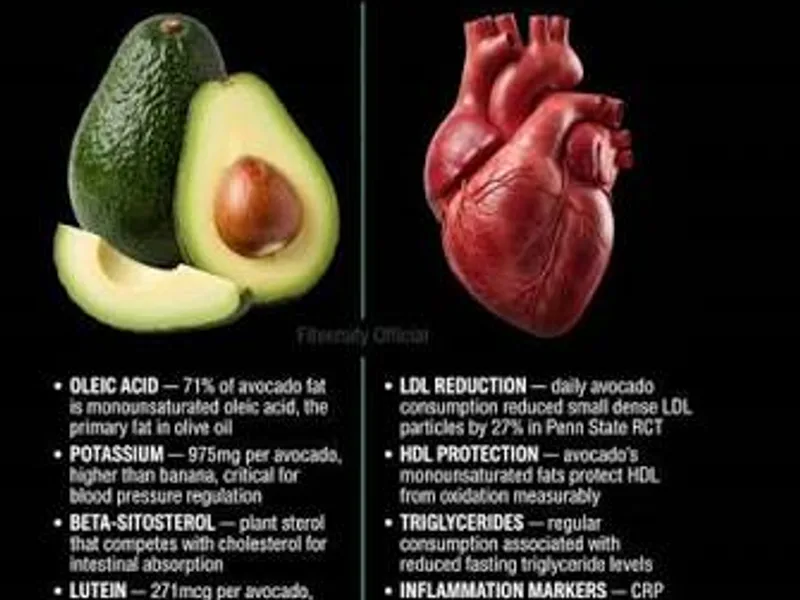
- Avocado: Rich in monounsaturated fats and fiber, avocado helps enhance insulin sensitivity.
- Fatty Fish: Salmon, mackerel, and sardines are rich in omega-3 fatty acids, which have anti-inflammatory benefits and may optimise heart health – a crucial consideration for diabetics.
- Greek Yogurt: Higher in protein and lower in carbs than regular yogurt, it promotes fullness and has a minimal impact on blood sugar. Choose plain, unsweetened varieties.
- Eggs: A great source of protein, eggs have a very low impact on blood sugar levels.
Herbs and Spices: Flavourful Allies
Many herbs and spices used traditionally in Indian cooking offer potential benefits for glucose regulation.
- Cinnamon: Several studies, including those published in journals like *The Lancet*, suggest cinnamon can boost insulin sensitivity and lower fasting blood glucose levels. It's a wonderful addition to oats, yogurt, and even savoury dishes.
- Fenugreek (Methi): Both seeds and leaves are beneficial. Fenugreek is rich in soluble fiber, which helps reduce sugar absorption.
- Turmeric: Curcumin, the active compound in turmeric, has powerful anti-inflammatory and antioxidant properties that may benefit individuals with diabetes.
- Ginger: Known for its digestive benefits, ginger may also enable optimise blood sugar regulation.
Important Considerations for the Indian Context
Adapting these recommendations to the Indian dietary landscape is crucial. While rice and wheat are staples, incorporating millets and whole grains can offer significant advantages. During festivals, mindful eating is essential. For instance, instead of indulging in multiple servings of traditional sweets made with refined sugar and ghee, opt for smaller portions or choose healthier dessert alternatives made with natural sweeteners and whole ingredients.
Floor sitting, common in many Indian households, requires mindful movement; incorporating gentle stretches or walks after meals can aid digestion and glucose regulation. Remember that portion sizes matter, even with healthy foods. The Indian Journal of Medical Research has published extensive data on dietary patterns and their correlation with metabolic diseases in India, emphasizing the need for culturally relevant dietary interventions.
Honestly, managing glucose is a marathon, not a sprint. It requires consistent effort and informed choices. The good news is that a wide array of delicious and readily available foods can be your allies. By focusing on fiber, lean protein, healthy fats, and mindful carbohydrate choices, you can significantly impact your health trajectory.
Key Takeaways
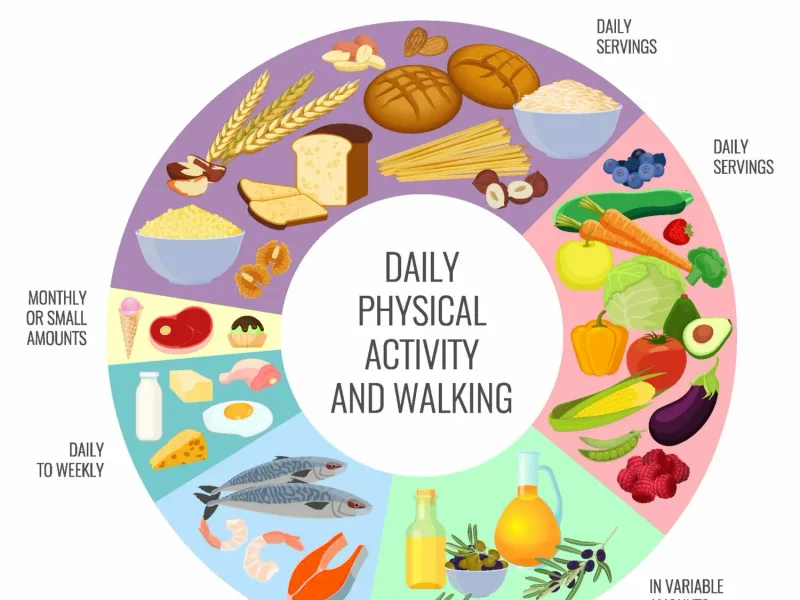
- Incorporating high-fiber foods like whole grains (oats, millets), legumes (dal, chickpeas), and non-starchy vegetables is crucial for slowing sugar absorption.
- Fruits like berries, apples, and cherries can be enjoyed in moderation due to their fiber and nutrient content.
- Healthy fats from nuts, seeds, and avocado, along with lean proteins from fish and eggs, enable stabilize blood sugar and promote satiety.
- Traditional Indian spices like cinnamon, fenugreek, and turmeric offer potential benefits for insulin sensitivity and blood glucose management.
- Mindful eating, appropriate portion control, and culturally relevant dietary adjustments are essential for impactful glucose regulation in the Indian context.
Always consult a qualified physician before making any medical decisions.