

Emergency & Help
24/7 Emergency & General Advisory
🚨 24/7 Medical Emergency
Welcome to Doctar
Join our healthcare community
Free Eye Test
AI powered and calibrated eye test
24/7 Emergency & General Advisory
🚨 24/7 Medical Emergency
Join our healthcare community
Scientists have long known the Mediterranean diet protects the heart and brain — but not exactly how. A 2026 USC-led study offers a clue: people who closely follow the diet have higher blood levels of two mitochondrial microproteins, humanin and SHMOOSE, both tied to cardiovascular and brain protect
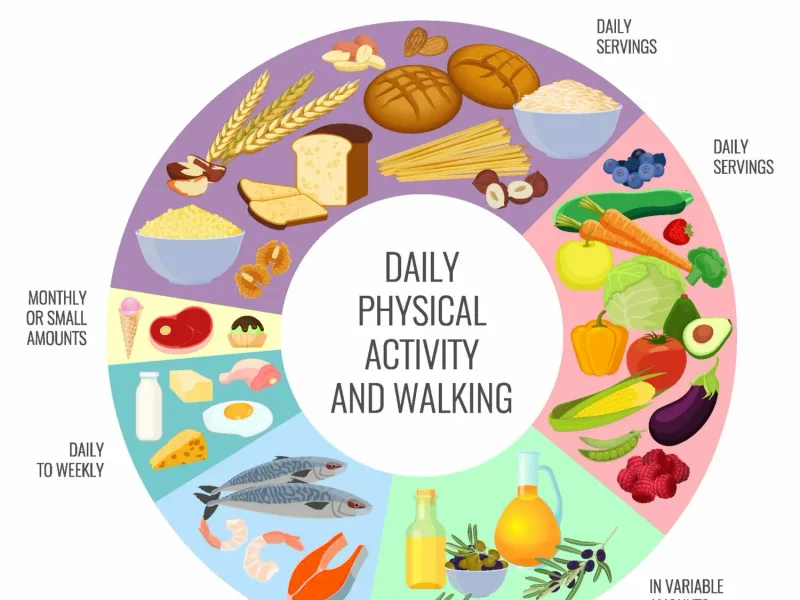
Researchers have identified two tiny proteins, called humanin and SHMOOSE, that may help explain how the Mediterranean diet protects the heart and brain. A 2026 study found that older adults who most closely followed the diet had significantly higher blood levels of both proteins, along with lower markers of the cellular damage linked to aging and disease. The findings don't prove the diet causes these changes, but they point to a specific biological pathway behind decades of observed health benefits.
Researchers at the USC Leonard Davis School of Gerontology, working with colleagues at Sapienza University of Rome, analyzed blood samples from older adults who followed the Mediterranean diet to varying degrees. The Mediterranean diet emphasizes olive oil, fish, legumes, fruits, vegetables, and whole grains, with limited red meat and refined carbohydrates. The findings were published March 9, 2026, in Frontiers in Nutrition.
Participants with the strongest adherence to the diet had significantly higher levels of two microproteins, humanin and SHMOOSE, both produced inside mitochondria — the structures inside cells best known for generating energy. These same participants also showed lower markers of oxidative stress, the cellular damage that occurs when unstable molecules overwhelm the body's natural defenses and that's been linked to aging and chronic disease.
[REVIEWER: add clinical insight here — e.g., how you discuss the concept of oxidative stress and mitochondrial health with patients considering dietary changes.]
Humanin was first identified by the study's senior author, USC Distinguished Professor Pinchas Cohen, in 2003. It's since been linked to improved insulin sensitivity, cardiovascular protection, and preservation of cognitive function. SHMOOSE is a more recent discovery from Cohen's lab, tied specifically to brain health — a genetic variant of SHMOOSE has been associated with higher Alzheimer's disease risk, while the normal form appears to help protect neurons from amyloid-related damage, the toxic protein buildup associated with Alzheimer's.
The study also found that higher humanin levels were linked to lower activity of an enzyme called Nox2, which produces harmful reactive oxygen species. Study author Roberto Vicinanza said this points to a possible cardioprotective mechanism: the Mediterranean diet may work by both directly lowering oxidative stress and by boosting these microproteins, which further suppress damaging pathways.
The researchers didn't just look at the diet as a whole — they broke down which components were tied to which protein. Olive oil, fish, and legumes were associated with higher humanin levels, while olive oil and a lower intake of refined carbohydrates were linked to higher SHMOOSE. That suggests different parts of the diet may support mitochondrial health through different routes, rather than the benefit coming from one single "magic" food.
This mitochondrial-protein research adds a possible mechanism to a growing body of outcome-based evidence. A separate large study published February 4, 2026, in Neurology Open Access followed more than 105,000 women for a median of 21 years and found that those with the highest adherence to a Mediterranean-style diet had an 18% lower risk of any stroke, including a 16% lower risk of ischemic stroke and a 25% lower risk of hemorrhagic stroke — a less commonly studied stroke type caused by bleeding in the brain.
Neither study proves direct cause and effect on its own. The stroke study was observational and relied on self-reported diet questionnaires, and the microprotein study was also observational and relatively small. But together, they illustrate how population-level outcome data and cellular-level mechanism data are starting to point in the same direction.
[REVIEWER: add clinical insight here — e.g., how findings like these might (or might not) change how you counsel patients about starting or maintaining a Mediterranean-style diet for cardiovascular or cognitive risk reduction.]
The researchers frame these microproteins as a potential foundation for "precision nutrition" — the idea that biomarkers like humanin and SHMOOSE could eventually help tailor dietary recommendations to an individual's biology, rather than relying on one-size-fits-all guidance. Cohen described the goal as identifying nutritional strategies that promote healthy aging "at the molecular level," but cautioned that the current findings are associations, not proof that raising these proteins directly prevents disease. Future research will need to test whether specific dietary interventions can reliably raise humanin and SHMOOSE levels, and whether doing so actually reduces disease risk.
You don't need to wait for precision-nutrition biomarker testing to act on what's already well established: a Mediterranean-style eating pattern built around olive oil, fish, legumes, vegetables, fruit, and whole grains — with less red meat and refined carbohydrates — is consistently linked to lower cardiovascular and stroke risk across large, long-running studies, and now to specific molecular signals tied to brain and heart protection. If you're considering a significant diet change, especially if you have existing heart disease, diabetes, or other health conditions, talk to a doctor or registered dietitian about how to adapt it safely to your situation.
What proteins does the Mediterranean diet activate for heart and brain protection? A 2026 study found that people who closely follow the Mediterranean diet have higher blood levels of two mitochondrial microproteins, humanin and SHMOOSE, both previously linked to protection against cardiovascular disease and neurodegeneration.
Which foods in the Mediterranean diet are linked to these protective proteins? Olive oil, fish, and legumes were associated with higher humanin levels, while olive oil and eating fewer refined carbohydrates were linked to higher SHMOOSE, according to the USC-led study.
Does the Mediterranean diet actually lower stroke risk? A separate 2026 study of more than 105,000 women found that high adherence to a Mediterranean-style diet was linked to an 18% lower risk of any stroke over about 21 years of follow-up, including lower risk of both major stroke subtypes.
Is this proof that the Mediterranean diet prevents heart disease and dementia? Not on its own. Both studies are observational, meaning they show a strong association rather than direct proof of cause and effect. Researchers say more research is needed to confirm whether raising these proteins directly reduces disease risk.
What is oxidative stress, and why does it matter for diet and aging? Oxidative stress happens when unstable molecules called reactive oxygen species overwhelm the body's natural defenses, potentially damaging cells, proteins, and DNA. It's linked to aging and many chronic diseases, and the Mediterranean diet appears to help lower it.
Vicinanza, R. et al. "Mediterranean diet adherence is associated with mitochondrial microproteins Humanin and SHMOOSE; potential role of the Humanin–Nox2 interaction in cardioprotection," Frontiers in Nutrition, March 9, 2026.
University of Southern California / EurekAlert!: "Mediterranean diet may boost mitochondrial signals linked to heart and brain health," March 2026.
Sherzai, A.Z. et al. "Mediterranean Diet and the Risk of Stroke Subtypes in Women," Neurology Open Access, February 4, 2026.
American Academy of Neurology: news release on Mediterranean diet and stroke risk in women, February 4, 2026.
Visit Hospital
Near You
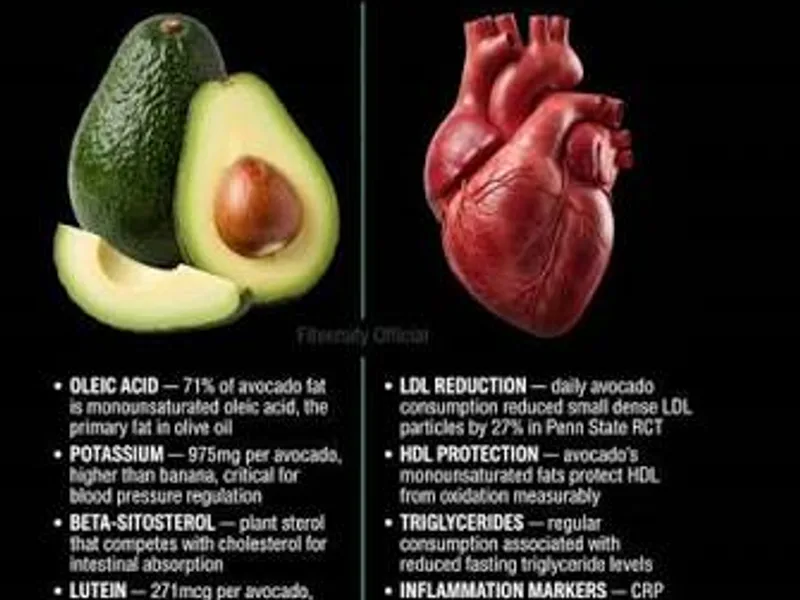
Multiple studies out of Penn State have tested whether eating one avocado a day can improve cholesterol. The results are consistent but modest: daily avocado eaters see measurable drops in LDL ("bad") cholesterol and LDL particle number, without significant weight gain. This piece walks through what
July 23, 2026

Are night owls really more likely to gain weight than early risers? A 2026 study of nearly 300 women found evening types had higher body fat, higher blood sugar and triglyceride levels, and a pattern of eating fewer nutrients in the morning but far more energy-dense food late at night. This piece br
July 23, 2026
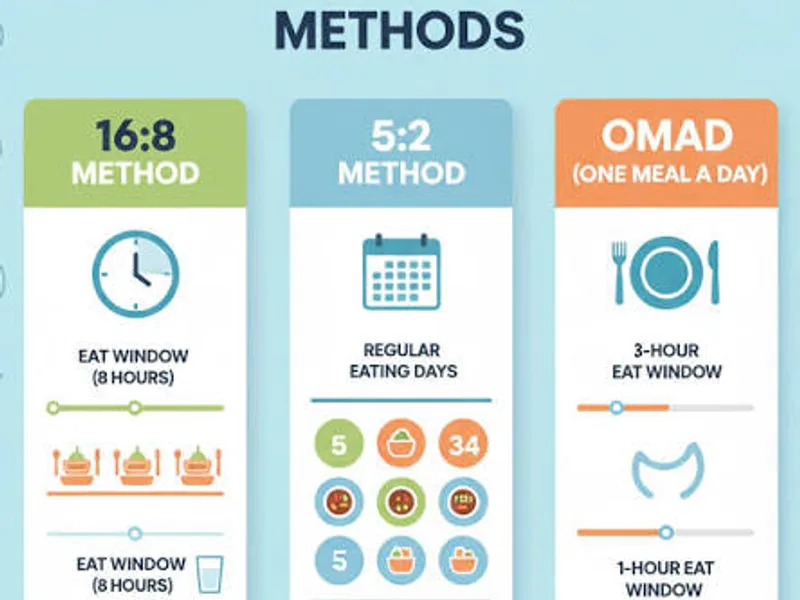
An 8-hour eating window, also called 16:8 time-restricted eating, has become one of the most popular ways to structure intermittent fasting. But what does it actually do for your body? Research led by the University of Granada and NIH-affiliated researchers has linked it to visceral fat loss, better
July 23, 2026