The Detailed 7-Day GM Diet Plan for Weight Loss
Meena, 45, a homemaker from Jaipur, noticed her attire fitting more snugly after the festive season. Troubled by her physical condition and increased size, she resolved to try something novel. Like many individuals in India, she sought an efficient yet swift method to shed those extra pounds. Have you ever pondered the reasons behind the immense popularity of certain dietary regimens?
The General Motors (GM) Diet stands out as one such approach, pledging substantial reduction in body mass within a mere seven days. But is it a viable long-term solution? Let's examine this widely adopted eating plan in depth.
S. Food and Drug Administration (FDA) and the USDA, is characterized by its low caloric content and substantial food volume. It emphasizes specific food categories daily to aid in bodily detoxification and foster swift slimming.
Although its precise origins are a subject of discussion, its allure stems from its straightforward nature and the promise of rapid outcomes, making it appealing to individuals like Meena who desire an immediate transformation. What most individuals overlook: the focus lies on fluid consumption and particular food pairings, not solely on limiting calorie intake.
The numbers don't lie.
Understanding the GM Diet's Approach
The fundamental concept underpinning the GM Diet is the consumption of large quantities of low-calorie, high-fiber provisions. The regimen strongly encourages the intake of produce, legumes, and a constrained amount of lean animal products and cereals. Its structure is intentionally repetitive, ensuring ease of adherence for a brief duration.
The significant emphasis on fluid consumption (a minimum of 8-12 glasses daily) assists in expelling impurities and maintaining proper hydration, which is vital for metabolic processes. Consider it this way: the diet aims to invigorate your metabolism and purify your system.
While advocates assert its role in weight reduction and detoxification, it is imperative to approach such restrictive plans with prudence. The rapid reduction in body mass often observed is largely attributable to fluid loss and the depletion of glycogen reserves, rather than substantial fat reduction alone.
Candidly, lasting lifestyle adjustments are typically more advantageous in the long run. Nevertheless, for a short-term impetus, many find it a potent instrument.
The 7-Day GM Diet Plan Breakdown
This plan outlines a distinct list of permitted sustenance for each of the seven days. It is crucial to adhere to the prescribed victuals to achieve the intended outcomes. Remember, unwavering consistency is paramount.
Most people overlook this completely.
Day 1: Fruit Day
The inaugural day is exclusively dedicated to consuming produce. You have the liberty to partake in any kind of produce you desire, with the exception of bananas. Apples, citrus fruits, berries, melons, and papayas represent excellent selections. The objective is to satiate yourself with high-fiber, naturally sweet options.
Endeavor to consume at least 2-3 portions of produce throughout the day. Fluid intake remains of utmost importance; continue sipping steadily. This initial phase assists in cleansing your palate and diminishes yearnings for processed items.
Permitted Provisions: All produce (excluding bananas). Fluid (8-12 glasses). Black coffee or tea (unsweetened, in moderation).
Rationale for Produce? Produce is abundant in vitamins, minerals, and dietary fiber, supporting digestion and promoting a sense of fullness. Their inherent sugars supply energy without the subsequent slump associated with refined sugars.
Day 2: Vegetable Day
The second day is wholly devoted to greens. You are permitted to consume raw or prepared greens in any quantity. This category encompasses leafy greens, subterranean produce (such as carrots and tubers, though ideally steamed with minimal oil), and other non-starchy greens.
Reflect on this: this day replenishes your body with vital nutrients and fiber, bolstering overall wellness. You may have a small steamed tuber with salt for your morning meal if you feel a lack of vigor.
It sounds simple. It rarely is.
Permitted Provisions: All greens (raw or prepared). Fluid (8-12 glasses). A small steamed tuber (optional, for morning meal).
Rationale for Greens? Greens furnish essential vitamins, minerals, and fiber with minimal caloric value, helping you feel satiated and providing crucial nourishment. They form the bedrock of a wholesome dietary pattern.
Day 3: Fruit and Vegetable Day
This represents a combined day where you integrate produce and greens. You can consume any form of produce (again, no bananas) and greens throughout the day. This amalgamation offers a broader spectrum of nutrients and aids in sustaining energy levels.
Have you ever pondered the significance of this particular day? It serves as a bridge between the distinct fruit and green days, providing enhanced dietary adaptability. Bear in mind to maintain your elevated fluid consumption.
Permitted Provisions: All produce (excluding bananas) and all greens. Fluid (8-12 glasses).
Rationale for the Combination? Merging produce and greens delivers a more extensive array of vitamins, minerals, and fiber, ensuring a more balanced nutrient assimilation while keeping caloric intake low.
Day 4: Banana and Milk Day
The fourth day permits the consumption of bananas and dairy beverages (or a plant-based alternative like almond milk). You may consume approximately 3-6 bananas distributed throughout the day, alongside 3-4 glasses of milk.
This day is designed to replenish potassium and calcium levels, which might have been diminished by the preceding days' reduced intake of these minerals. Frankly, this day can pose a challenge for some due to the limited diversity, but it is vital for nutritional equilibrium.
Here's where it gets interesting.
Permitted Provisions: 3-6 bananas. 3-4 glasses of milk (or unsweetened almond milk). Fluid (8-12 glasses).
Rationale for Bananas and Milk? Bananas are rich in potassium and provide energy, while milk offers calcium and protein, assisting in sustaining the body during the dietary regimen.
Day 5: Protein and Tomato Day
This day introduces lean animal products and tomatoes. You may consume approximately 500 grams of lean meat (poultry or fish) or paneer (for those following a vegetarian lifestyle), accompanied by 6-8 tomatoes. This meal structure supports muscle restoration and supplies essential amino acids. Tomatoes are abundant in lycopene and fiber.
You can divide the protein and tomato portions into two meals. Once more, fluid intake is critical to help eliminate uric acid generated from protein metabolism. Consider it this way: this day centers on satiety and muscle preservation.
Permitted Provisions: Lean animal products (poultry, fish, paneer) or eggs. 6-8 tomatoes. Fluid (8-12 glasses). A clear broth made from greens is also an option.
Rationale for Protein and Tomatoes? Protein aids in muscle repair and satiety, while tomatoes provide fiber, vitamins, and antioxidants, supporting overall wellness and digestion.
Day 6: Chicken/Paneer and Vegetable Day
On the sixth day, you are permitted to consume poultry or paneer (for vegetarians) along with a variety of greens. This marks a considerable departure from the preceding days, offering more substantial nourishment. The focus remains on lean animal products and fibrous greens to keep you feeling full and adequately nourished.
You may also have a clear broth made from greens. What most individuals overlook: the quantity of animal products is typically around 500 grams spread across the day.
Permitted Provisions: Poultry or paneer. All greens (excluding starchy varieties like tubers). Clear broth made from greens. Fluid (8-12 glasses).
Rationale for This Combination? This day supplies vital protein for muscle maintenance and a wide assortment of greens for fiber and micronutrients, aiding in recovery and continued slimming.
Day 7: Brown Rice, Fruit, and Vegetable Day
The concluding day offers the most balanced nutritional profile. You may consume a modest portion of brown rice, some produce, and ample greens. This day aims to gently transition your body back towards a more conventional dietary pattern while preserving the week's benefits.
The numbers don't lie.
Brown rice provides complex carbohydrates for sustained vigor. Remember to continue hydrating throughout the day. Frankly, this is the day that prepares you for maintaining your body mass after the dietary plan.
Permitted Provisions: Modest portion of brown rice. Produce. Greens. Fluid (8-12 glasses).
Rationale for the Mix? This day provides a balanced intake of carbohydrates, proteins (from greens and potentially trace amounts in rice), and fiber, helping to stabilize your system before reverting to regular eating habits.
Potential Benefits of the GM Diet
The most frequently mentioned advantage is accelerated weight reduction. Numerous individuals report a decrease of 3-5 kilograms (approximately 6-11 pounds) in a single week. This can serve as a major source of motivation.
The diet also encourages increased fluid intake, which is advantageous for overall health, skin hydration, and expelling impurities. On top of that,, the emphasis on produce and greens can lead to a greater consumption of fiber and essential nutrients, potentially enhancing digestive function in the short term.
For those who lead sedentary lives, particularly individuals who spend extended hours seated at desks or engaging in floor seating during religious observances or social functions, a sudden surge in energy and a sensation of lightness can be quite appealing. The diet's simplicity—following a prescribed list—can also be a benefit for individuals who find intricate meal planning overwhelming.
Here's where it gets interesting.
Potential Risks and Considerations
Despite its widespread adoption, the GM Diet is not without its disadvantages. The rapid reduction in body mass is primarily fluid loss, and its recurrence is common once normal eating resumes. The diet is highly restrictive, potentially leading to nutritional shortfalls if followed for prolonged durations.
Adverse effects can encompass exhaustion, headaches, lightheadedness, and irritability, particularly in the initial phases. Have you ever pondered the reason? These symptoms are frequently a consequence of the drastic reduction in caloric intake and the abrupt alteration in macronutrient balance.
The low caloric nature (frequently around 1000-1200 calories daily) can be unsustainable and may result in muscle depletion rather than fat loss. For individuals with pre-existing health conditions, such as diabetes or renal issues, this dietary approach can be particularly perilous.
For instance, individuals with diabetes require a meticulously balanced intake of carbohydrates and proteins, which this diet severely curtails on certain days. The International Diabetes Federation (IDF) underscores the importance of balanced nutrition over extreme dietary measures.
It sounds simple. It rarely is.
What's more,, the diet lacks an adequate supply of protein and healthy lipids, which are indispensable for hormone synthesis, satiety, and overall bodily functions. The long-term viability of weight reduction achieved through such extreme methods is also debatable. Scholarly articles published in periodicals like The Lancet frequently highlight the significance of gradual, sustainable lifestyle modifications for enduring health and body mass management.
Is the GM Diet Suitable for Indians?
The GM Diet can be adapted to incorporate Indian staples such as paneer (for vegetarians) and certain greens. However, the cultural context of Indian cuisine, which often features intricate spice blends and diverse preparation methods, renders strict adherence challenging.
For example, the prevalent practice of consuming rice with most meals requires notable reduction, which can be difficult during festivals or regular family gatherings. The diet does not accommodate traditional Indian dietary customs that are frequently rich in complex carbohydrates and spices.
What most individuals overlook: while paneer is a beneficial source of protein, the overall dietary pattern necessitates careful contemplation. The reliance on specific produce and greens might also present difficulties depending on seasonal availability and regional preferences across India.
Adapting it demands conscious effort to substitute commonly consumed victuals with permitted alternatives.
Alternatives and Long-Term Strategies
For enduring weight reduction, specialists at institutions such as AIIMS typically advocate for a harmonious approach. This encompasses a combination of a calorie-controlled diet abundant in whole provisions, regular physical exertion, sufficient rest, and stress mitigation.
The numbers don't lie.
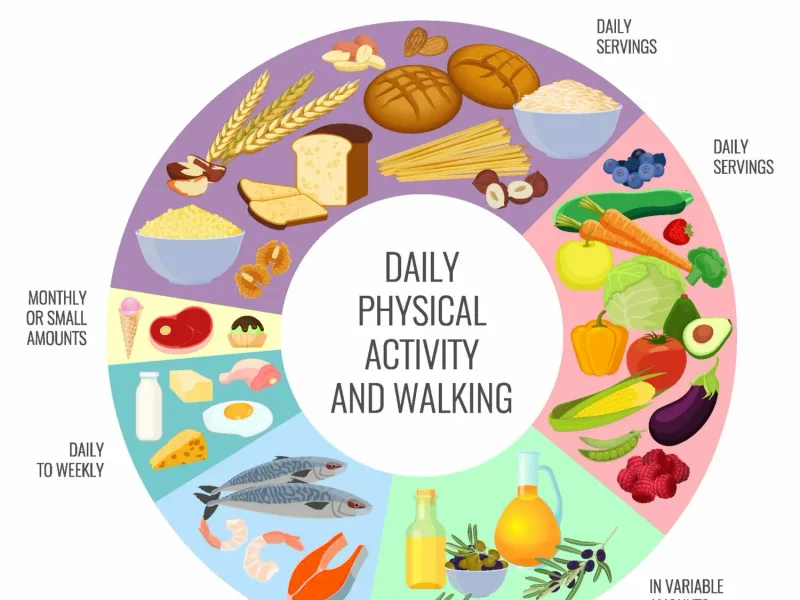
Concentrating on a balanced plate—integrating lean proteins, complex carbohydrates, wholesome lipids, and plentiful produce and greens—is more efficacious in the long run than drastic dietary interventions. Consider it this way: cultivating healthy habits over time yields superior and more lasting outcomes.
Consider seeking guidance from a registered dietitian or nutritionist who can assist in formulating a personalized eating plan tailored to your lifestyle, preferences, and health objectives. The World Health Organization (WHO) directives consistently endorse balanced diets and consistent exercise for maintaining a healthy body mass and averting chronic ailments.
Frankly, a phased transition represents the most effective route to enduring wellness.
Key Takeaways
- The GM Diet is a 7-day restrictive eating regimen promising rapid body mass reduction, primarily through fluid loss and caloric deficit.
- It involves specific food categories for each day: produce, greens, protein sources, and limited cereals.
- Potential advantages include short-term body mass reduction and increased fluid consumption, but risks involve nutritional deficiencies and side effects such as fatigue.
- Sustainable body mass reduction is best achieved through balanced nutrition, consistent physical activity, and lifestyle modifications, as advised by health organizations like WHO and institutions such as AIIMS.
- Always seek counsel from a qualified medical practitioner before making any health-related decisions.