7 Remarkable Benefits Of Unpolished Rice
Meena, 45, a homemaker from Jaipur, experienced persistent fatigue that her usual vibrant spirit couldn't overcome. Her doctor recommended a significant dietary shift, emphasizing the inclusion of more intact grains. Though hesitant, Meena opted to exchange her regular polished rice for unpolished rice.
Within a few weeks, she felt a striking improvement – sustained energy throughout her day, enhanced digestion, and an overall feeling of well-being. Her experience is becoming increasingly common across India as individuals realize the profound effect of choosing unpolished grains.
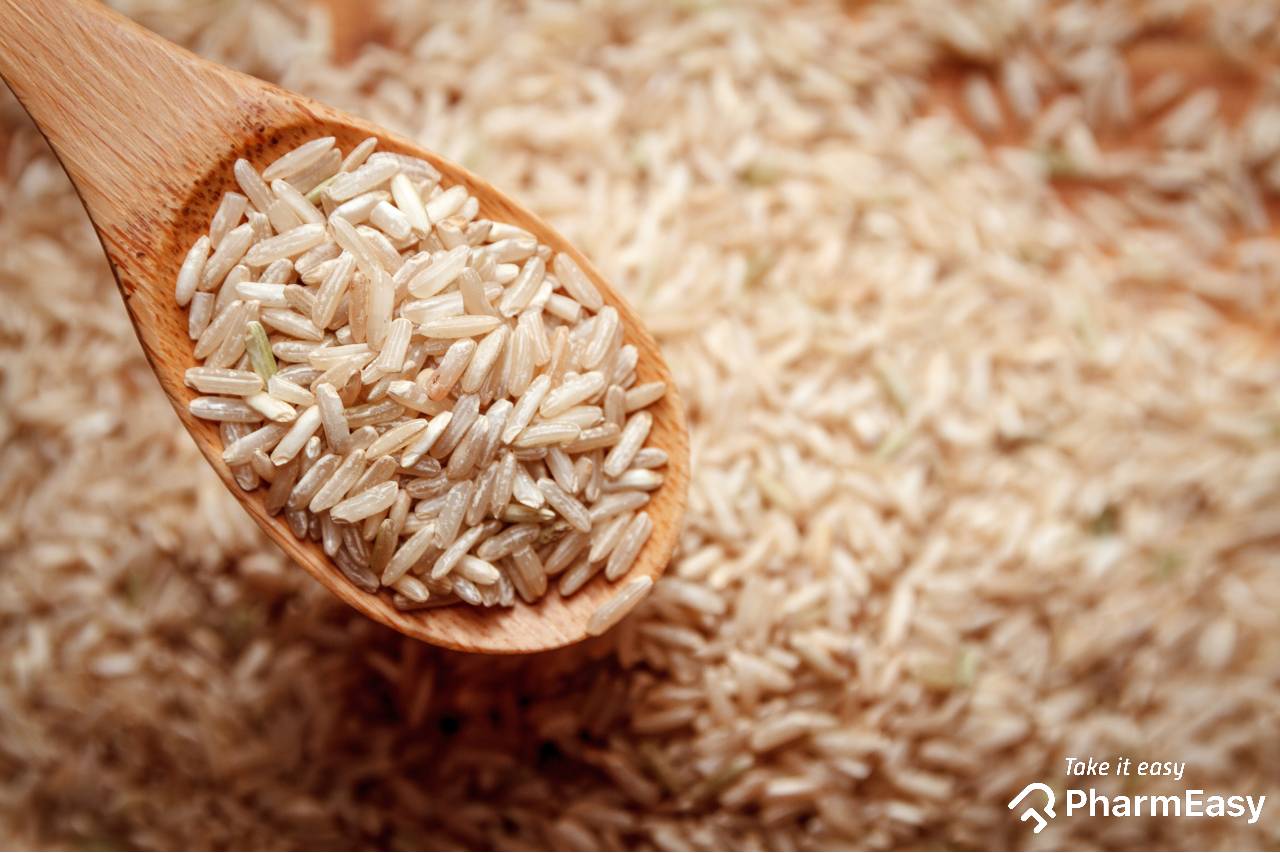
Unpolished rice, frequently overlooked in favour of its processed white counterpart, is a nutritional powerhouse. It's fundamentally the same grain as white rice, but with the bran and germ layers still present.
These outer layers are abundant in essential vitamins, minerals, and dietary fibre, which are removed during the milling of white rice. Consider it this way: white rice is like a polished piece of furniture, whereas unpolished rice is the natural, unvarnished wood, retaining all its inherent goodness.
The numbers don't lie.
1% of all fatalities (Lancet, 2023) — making informed dietary selections is no longer optional but essential. So, what does this signify for you?
It means understanding the impact of simple food substitutions.
1. Abundant in Vital Nutrients
Unpolished rice is a rich source of micronutrients. A single cup (approximately 195 grams) of cooked unpolished rice delivers substantial amounts of manganese, selenium, magnesium, and phosphorus. Manganese is vital for bone strength and metabolic processes, while selenium functions as a potent antioxidant. Magnesium is crucial for over 300 bodily functions, including muscle and nerve operation.
The bran layer, specifically, provides a good quantity of B vitamins, which are critical for energy generation. Have you ever pondered why you feel more energized after consuming nourishing foods? It's often due to these vital vitamins and minerals working together harmoniously.
2. Excellent Source of Dietary Fibre
This is perhaps the most lauded advantage of unpolished rice. Its fibre content, predominantly insoluble fibre residing in the bran, is considerably higher than in white rice. 2 grams of fibre. This fibre is instrumental in promoting digestive wellness by adding bulk to stool and preventing constipation.
It also assists in regulating blood sugar levels by slowing the absorption of glucose into the bloodstream. What many overlook is how crucial fibre is for overall gut vitality and satiety, which directly influences weight management. Regular consumption can contribute to a robust gut microbiome, essential for immunity and even mental wellness.
That alone changes everything.
3. Assists in Weight Management
The elevated fibre and moderate protein content in unpolished rice contribute to a feeling of fullness, helping to curb excessive eating. When you feel satisfied for extended periods, you are less inclined to seek out unhealthy snacks between meals. This satiety effect is a primary reason why unpolished rice is frequently recommended for individuals aiming to reduce or manage their weight.
Research has indicated that intact grains like unpolished rice are linked to lower body weight and a diminished risk of obesity. For instance, a meta-analysis published in the *American Journal of Clinical Nutrition* found that increased intact grain consumption was associated with notable reductions in BMI. Honestly, making this straightforward swap can be a major turning point for your weight objectives.
4. May Help Reduce Cholesterol Levels
The bran of unpolished rice contains compounds known as oryzanol, which have demonstrated the ability to benefit reduce cholesterol levels. Oryzanol functions by inhibiting cholesterol absorption in the digestive tract. Additionally, the soluble fibre present in unpolished rice can bind to cholesterol in the digestive system, preventing its entry into the bloodstream.
Elevated cholesterol is a meaningful possibility factor for heart disease, a widespread concern in India. Lowering LDL (bad) cholesterol levels through dietary means can considerably enhance cardiovascular wellness. The World Health Organization (WHO) advises reducing salt and fat intake and increasing fruit and vegetable consumption as key strategies for heart health, and unpolished rice aligns perfectly with this guidance.
That's the part worth remembering.
5. Supports Blood Sugar Regulation
For individuals managing diabetes or at danger of developing it, unpolished rice offers a distinct advantage over white rice. Its lower glycemic index (GI) signifies that it triggers a slower, more gradual increase in blood sugar levels post-consumption. This is largely attributable to its fibre content, which slows carbohydrate digestion and glucose absorption.
A study conducted by the National Institute of Nutrition (NIN), affiliated with ICMR, indicated that replacing refined grains with intact grains can improve glycemic control in type 2 diabetes patients. This renders unpolished rice a much safer and more beneficial staple for the Indian populace, where rice is a primary food source for millions.
6. Packed with Antioxidants
Unpolished rice contains various antioxidant compounds, including phenolic acids, flavonoids, and anthocyanins (particularly in coloured varieties). Antioxidants are crucial for shielding your body from damage caused by free radicals – unstable molecules that can lead to chronic conditions and aging. Selenium, found abundantly in unpolished rice, is a potent antioxidant that supports immune function and thyroid wellness.
The presence of these protective compounds helps combat oxidative stress, a key factor in numerous chronic ailments. The Lancet Global Health journal frequently publishes research highlighting the role of diet in preventing chronic diseases, and antioxidant-rich foods like unpolished rice are central to these discussions.
Most people overlook this completely.
7. Adaptable and Simple to Integrate
Beyond its wellness advantages, unpolished rice is remarkably adaptable. It can be utilized in pilafs, stirred into soups, served as a side, or even ground into flour for baking. Unlike certain exotic wellness foods, it integrates effortlessly into traditional Indian meals. Whether you're preparing a celebratory biryani or a straightforward dal-chawal dish, substituting white rice with unpolished rice is a simple yet impactful alteration.
Consider adapting your favourite recipes – perhaps a hearty vegetable pulao prepared with unpolished rice, or even using it as a foundation for a nutritious breakfast porridge. It pairs wonderfully with sabzis and curries, offering a subtly nutty flavour and satisfying texture that complements the robust spices often characteristic of Indian cuisine. Embracing unpolished rice doesn't necessitate abandoning your culinary heritage; it means enhancing it with superior nutrition, especially during occasions like Diwali when festive eating can be substantial.
The shift from white to unpolished rice is a minor adjustment that can yield considerable wellness returns. It represents a conscious choice towards a healthier way of living, embracing the natural goodness that intact grains provide.
The reality is, proactive dietary modifications are our most effective defence against the escalating prevalence of non-communicable diseases in India.
Key Points
- Unpolished rice is an intact grain abundant in fibre, vitamins, and minerals, unlike processed white rice.
- Its high fibre content aids digestion, promotes fullness, and supports weight management.
- Unpolished rice has a lower glycemic index, making it a superior option for blood sugar management, particularly for diabetics.
- Antioxidants present in unpolished rice enable protect the body from cellular damage and reduce the likelihood of chronic conditions.
- It can be easily incorporated into Indian dishes, offering a healthier alternative to white rice without compromising taste.
Always seek advice from a qualified medical professional before making any health-related decisions.