

Emergency & Help
24/7 Emergency & General Advisory
🚨 24/7 Medical Emergency
Welcome to Doctar
Join our healthcare community
Free Eye Test
AI powered and calibrated eye test
24/7 Emergency & General Advisory
🚨 24/7 Medical Emergency
Join our healthcare community
An 8-hour eating window, also called 16:8 time-restricted eating, has become one of the most popular ways to structure intermittent fasting. But what does it actually do for your body? Research led by the University of Granada and NIH-affiliated researchers has linked it to visceral fat loss, better
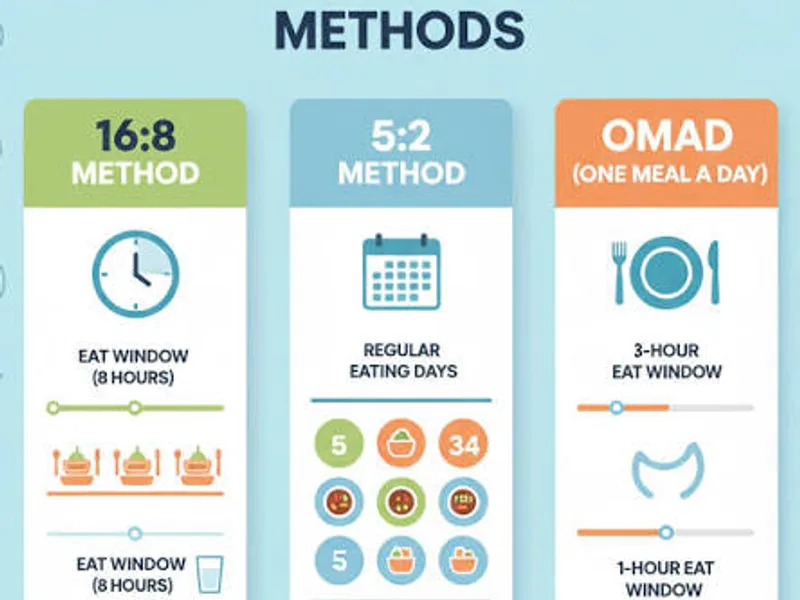
An 8-hour eating window — eating all meals within 8 hours and fasting the remaining 16 — has been linked in controlled trials to reduced visceral fat, improved blood sugar and blood pressure markers, and weight loss that holds up a year later. The timing of the window, whether early morning or afternoon, appears to matter less than simply having one. Most of this evidence comes from adults with overweight or obesity rather than the general population, so results may not generalize to everyone.
Much of what's known about 8-hour eating windows traces back to a randomized controlled trial run by researchers at the University of Granada and the National Institute on Aging, published in Nature Medicine. The study assigned adults with overweight or obesity to one of four groups: an 8-hour morning window, an 8-hour afternoon window, a self-selected 8-hour window, or a control group following only Mediterranean diet guidance without any eating-window restriction.
All three time-restricted groups lost more weight and more visceral fat — the metabolically active fat around internal organs — than the control group. The morning eating window group showed an added benefit: greater reductions in subcutaneous fat and lower fasting glucose levels compared to the control group.
[REVIEWER: add clinical insight here — e.g., how you'd counsel a patient deciding between a morning versus afternoon eating window based on their daily schedule or job.]
Largely, no. According to the National Institute on Aging's summary of the trial, the timing of the 8-hour window mattered less than the fact that participants restricted their eating to 8 hours at all. Morning, afternoon, and self-selected windows all led to weight loss and other favorable changes, as long as roughly 16 hours of fasting were maintained. The main exception was that the morning group edged out the others on fat loss and blood sugar improvement specifically.
Weight loss is the most-cited benefit, but it isn't the only one researchers have measured.
Visceral fat reduction. The Nature Medicine trial found reductions in visceral adipose tissue across all time-restricted groups — a meaningful finding, since visceral fat is more strongly linked to cardiometabolic disease risk than fat stored elsewhere in the body.
Blood sugar and metabolic markers. Fasting glucose levels improved more in the morning eating-window group than in the control group, pointing to better blood sugar regulation, not just fewer calories consumed.
Weight loss that holds up over time. A one-year follow-up of a related trial cohort, published in Clinical Nutrition in 2026, found that people who did just 12 weeks of an 8-hour eating window maintained significantly more weight loss a year later than those who received standard dietary advice alone — regardless of whether their window was early, late, or self-chosen.
Some of the more dramatic headlines about time-restricted eating deserve a closer look before assuming they apply to people.
Longevity claims are still animal data. A 2026 study from UT Southwestern Medical Center, published in Nature Aging, tracked more than 500 mice and found that male mice eating within an 8-hour window lived about 12% longer than mice that ate around the clock, with slower onset of frailty and age-related disease across all time-restricted groups. That's a meaningful finding for the biology of aging, but it's a mouse study — researcher Dr. Joseph Takahashi noted that human trials testing restricted eating during typical daytime waking hours are still needed before drawing conclusions for people.
Muscle loss is a real tradeoff to watch. The one-year Clinical Nutrition follow-up found that in the late and self-selected eating-window groups, part of the "weight loss" maintained was fat-free mass — muscle and lean tissue, not fat. The morning window group preserved more muscle by comparison. Endocrinologist Dr. Randa Abdelmasih, commenting on the findings, noted that preserving lean mass deserves real attention in any weight-loss strategy, alongside adequate protein intake and resistance exercise.
The cardiovascular risk headline is more complicated than it sounds. An earlier observational study following over 20,000 adults found a link between 8-hour time-restricted eating and a higher rate of cardiovascular death. Because that study was observational rather than a randomized trial, it can't establish that time-restricted eating caused the outcome — other factors linked to who chooses to eat this way could be involved. The controlled trials described above haven't reported a similar safety signal, but the finding is still a reason to check in with a doctor before starting, especially for anyone with existing heart disease.
[REVIEWER: add clinical insight here — e.g., how you evaluate cardiovascular risk factors before recommending time-restricted eating to a patient.]
Not every review agrees it beats standard dieting. A 2026 Cochrane review pooling 22 randomized trials and nearly 2,000 adults found that intermittent fasting, as a category, didn't produce a clinically meaningful weight-loss advantage over standard dietary advice or no structured plan. The Granada trials specifically paired the eating window with Mediterranean diet coaching, which may explain part of the difference — an eating window layered on top of healthy food choices looks different from an eating window used alone.
The best-supported benefits of an 8-hour eating window are modest but real: reduced visceral fat, somewhat better blood sugar markers, and weight loss that's more likely to stick around a year later than with diet advice alone — particularly if the window falls earlier in the day and is combined with genuinely healthy food choices rather than treated as a license to eat anything within the window. The longevity claims are promising in mice but not yet proven in humans, and anyone with heart disease, a history of disordered eating, or other health concerns should talk to a doctor before starting.
An 8-hour eating window means eating all daily meals within an 8-hour span and fasting for the remaining 16 hours, a pattern often called 16:8 time-restricted eating. It's one of the most studied forms of intermittent fasting.
Does it matter what time of day the 8-hour window happens?
Not much, according to NIH-affiliated research — morning, afternoon, and self-selected windows all led to weight loss and metabolic improvements. Morning windows showed a slight edge for fat loss and blood sugar control specifically.
Controlled trials link it to reduced visceral fat, improved fasting glucose, and weight loss that holds up a year later compared to standard diet advice alone. Benefits appear strongest when paired with a genuinely healthy diet, not used as a standalone strategy.
That's only been shown in mice so far. A 2026 study found male mice on an 8-hour schedule lived about 12% longer with slower aging-related decline, but researchers say human trials are still needed before drawing the same conclusion for people.
Most controlled trials haven't reported serious safety concerns, but an earlier observational study linked it to higher cardiovascular death risk, and it can't rule out muscle loss without adequate protein and exercise. People with heart disease or a history of disordered eating should consult a doctor first.
Dote-Montero, M. et al. "Effects of early, late and self-selected time-restricted eating on visceral adipose tissue and cardiometabolic health in participants with overweight or obesity: A randomized controlled trial," Nature Medicine, 2025.
National Institute on Aging (NIA): "Timeframe of 8-hour restricted eating irrelevant to weight loss."
Camacho-Cardenosa, A. et al. "Effects of an early, late, and self-selected time-restricted eating intervention on weight loss maintenance in adults with overweight or obesity: A 12-month follow-up of a randomized controlled trial," Clinical Nutrition, 2026.
UT Southwestern Medical Center: "Eating at the right time is important for health, UTSW study shows," Nature Aging, 2026.
Cochrane: "Intermittent fasting fails to beat standard dieting for weight loss," February 2026.
Visit Hospital
Near You
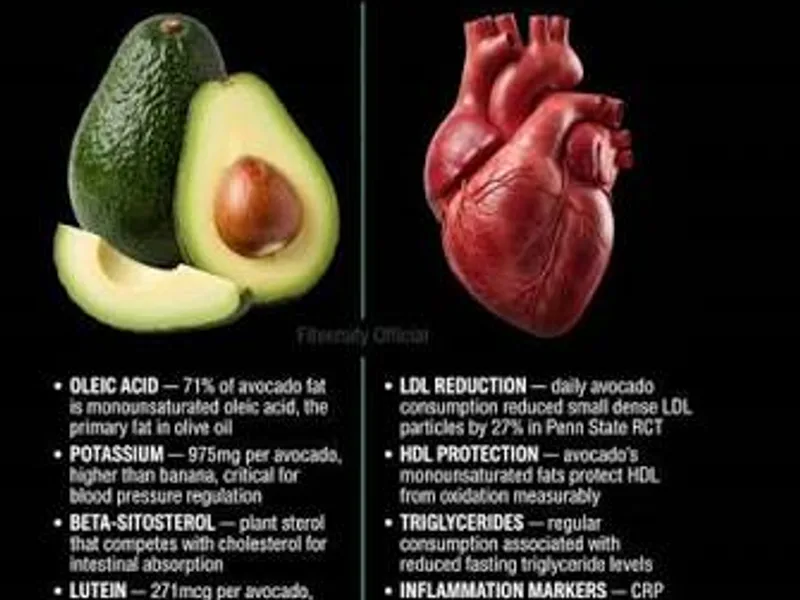
Multiple studies out of Penn State have tested whether eating one avocado a day can improve cholesterol. The results are consistent but modest: daily avocado eaters see measurable drops in LDL ("bad") cholesterol and LDL particle number, without significant weight gain. This piece walks through what
July 23, 2026

Are night owls really more likely to gain weight than early risers? A 2026 study of nearly 300 women found evening types had higher body fat, higher blood sugar and triglyceride levels, and a pattern of eating fewer nutrients in the morning but far more energy-dense food late at night. This piece br
July 23, 2026
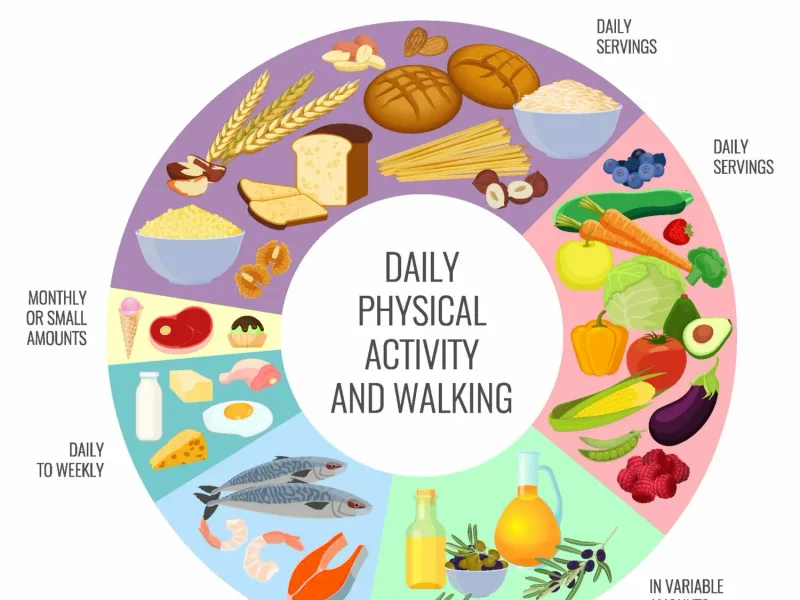
Scientists have long known the Mediterranean diet protects the heart and brain — but not exactly how. A 2026 USC-led study offers a clue: people who closely follow the diet have higher blood levels of two mitochondrial microproteins, humanin and SHMOOSE, both tied to cardiovascular and brain protect
July 23, 2026