21 Proven Benefits of Almonds: An Indian Perspective
Meena, 45, a homemaker from Jaipur, noticed her energy levels dipping significantly after lunch, a common complaint especially during the humid monsoon months. Her doctor, affiliated with a leading hospital in Rajasthan, suggested incorporating a handful of these nuts into her daily diet, a recommendation often met with skepticism regarding their calorie content. However, the benefits of these humble nuts extend far beyond simple snacking.
Over 101 million Indians have diabetes (ICMR, 2023), and understanding how to manage blood sugar through diet is crucial. These nuts, rich in essential nutrients, offer a powerful ally in this fight and many other aspects of well-being. Let's explore the extensive advantages of making them a regular part of your Indian diet.
Nutritional Powerhouse: What Makes Almonds So Special?
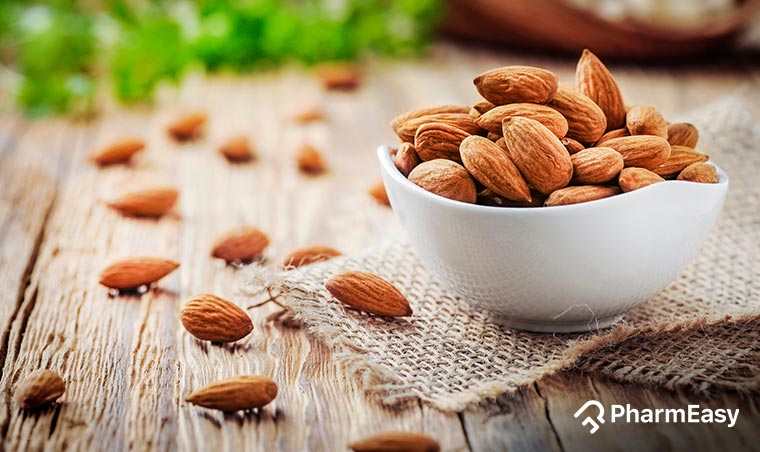
These nuts are a treasure trove of vitamins, minerals, beneficial fats, and antioxidants. A single ounce (about 23 nuts) provides:
- 6 grams of protein
- 4 grams of fiber
- 12 grams of beneficial monounsaturated and polyunsaturated fats
- Vitamin E (35% of the Daily Value)
- Magnesium (20% of the Daily Value)
- Manganese (30% of the Daily Value)
- Significant amounts of phosphorus, copper, and vitamin B2 (riboflavin).
This impressive nutrient profile underpins their myriad benefits for well-being. What most people miss: the synergy of these nutrients working together is more impactful than any single component.
The 21 Benefits of Almonds
1. Heart Health Champion
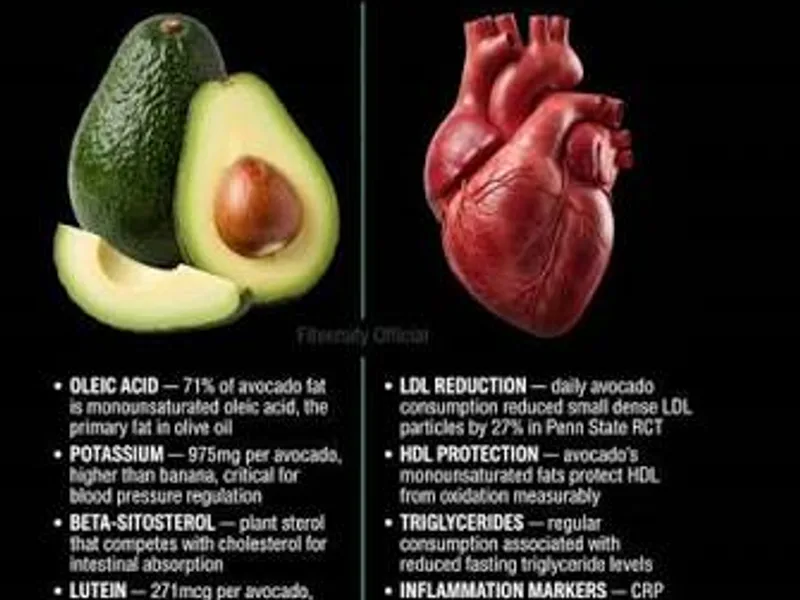
These nuts are renowned for their positive impact on cardiovascular well-being. The monounsaturated fats they contain help reduce LDL (bad) cholesterol levels while increasing HDL (good) cholesterol. This is particularly relevant for Indians, where cardiovascular diseases are a leading cause of mortality, with studies suggesting a higher prevalence of heart disease in South Asians compared to other populations.
Regular consumption can significantly lower the risk of heart attacks and strokes. The International Diabetes Federation (IDF) highlights the link between diabetes and increased cardiovascular likelihood, making these nuts a wise choice for managing both conditions.
It sounds simple. It rarely is.
2. Blood Sugar Regulation
For individuals managing diabetes or pre-diabetes, these nuts are a boon. They are low in carbohydrates but high in beneficial fats, protein, and fiber, all of which contribute to stabilising blood sugar levels after meals. The magnesium content, present in substantial amounts, plays a critical role in insulin sensitivity.
Studies published in respected journals like The Lancet have indicated that incorporating magnesium-rich foods like these nuts can improve glycemic control. Have you ever wondered why? It's the slow release of glucose into the bloodstream.
3. Weight Management Support
Contrary to popular belief, these nuts can aid in weight management. Despite being calorie-dense, their high protein and fiber content promotes satiety, helping you feel fuller for longer and reducing overall calorie intake.
The body doesn't absorb all the calories from these nuts due to the way their fat is packaged. Think about it this way: you eat fewer less nutritious snacks when you're satisfied.
4. Brain Booster
The presence of Vitamin E, an antioxidant, helps protect cells from oxidative stress, including brain cells. Riboflavin (Vitamin B2) and L-carnitine found in these nuts are also linked to improved cognitive function and a reduced danger of neurodegenerative diseases.
Here's where it gets interesting.
This is especially beneficial for students preparing for exams or professionals requiring sustained mental focus.
5. Powerful Antioxidant Properties
These nuts are an excellent source of antioxidants, primarily found in the brown skin. These compounds combat oxidative stress, a process that can damage cells and contribute to aging and diseases like cancer.
Antioxidants neutralise free radicals, protecting your body at a cellular level. Consuming these nuts regularly can contribute to overall cellular well-being.
6. Improved Digestion
The high fiber content in these nuts supports a sound digestive system. Fiber adds bulk to stool, promoting regular bowel movements and preventing constipation. It also acts as a prebiotic, feeding beneficial gut bacteria, which is crucial for overall well-being. A sound gut is linked to numerous outcomes for well-being.
7. Bone Health
These nuts provide essential minerals like magnesium, phosphorus, and calcium, all vital for maintaining strong and sound bones. Magnesium, in particular, is crucial for bone formation and plays a role in regulating calcium and Vitamin D levels.
This contributes to preventing conditions like osteoporosis, a growing concern among older Indian women.
8. Skin Radiance
The high Vitamin E content in these nuts is a well-known contributor to radiant skin. It protects skin from UV damage and pollution, and its antioxidant properties can benefit reduce signs of aging. Many cosmetic products even include almond oil for its moisturising and rejuvenating effects.
This is where most patients struggle.
9. Enhanced Nutrient Absorption
These nuts can aid elevate the absorption of other nutrients. The beneficial fats they contain can aid in the absorption of fat-soluble vitamins (A, D, E, K) from other foods eaten alongside them. This synergistic effect makes a balanced meal even more effective.
10. Reduced Inflammation
Chronic inflammation is linked to numerous diseases. The monounsaturated fatty acids, antioxidants, and magnesium in these nuts possess anti-inflammatory properties that can enable reduce systemic inflammation. This makes them a valuable addition to the diet for people suffering from inflammatory conditions.
11. Improved Mood and Energy Levels
The combination of magnesium, beneficial fats, and protein in these nuts can contribute to stabilising mood and energy levels throughout the day. Magnesium deficiency has been linked to increased anxiety and depression. What should you actually do? Ensure you're getting enough of this essential mineral.
12. Eye Health
These nuts contain Vitamin E, which is a powerful antioxidant that can benefit protect your eyes from damage caused by free radicals. They also provide riboflavin, which is important for overall eye well-being. While not a cure for vision problems, they contribute to maintaining sound eyes.
This is where most those affected struggle.
13. Potential Cancer Prevention
While more research is needed, the antioxidants and other beneficial compounds in these nuts, like phytic acid (which can bind to cancer-causing minerals), are being studied for their potential role in cancer prevention. Studies, such as those appearing in The American Journal of Clinical Nutrition, have explored these possibilities.
14. Better Sleep Quality
These nuts are a natural source of melatonin, a hormone that regulates sleep-wake cycles. They also provide magnesium, which can benefit relax muscles and calm the nervous system, promoting better sleep. A small handful before bed might just do the trick.
15. Improved Sperm Quality
For men, these nuts can contribute to improved sperm quality. Studies have shown that a diet rich in these nuts, along with other nutritious foods, can enhance sperm motility, vitality, and morphology. This is attributed to the rich antioxidant content and essential fatty acids.
16. Reduced danger of Gallstones
Research suggests that regular consumption of these nuts may be associated with a reduced chance of developing gallstones. The beneficial fats and fiber can benefit maintain a sound digestive tract and cholesterol balance, factors that influence gallstone formation.
That's the part worth remembering.
17. Support During Pregnancy
These nuts are a nutritional powerhouse for pregnant women, providing essential nutrients like folic acid, magnesium, and Vitamin E. Folic acid is crucial for preventing neural tube defects in the baby. Their fiber content also helps manage usual pregnancy-related constipation.
18. Enhanced Athletic Performance
The combination of protein, beneficial fats, and magnesium makes these nuts an excellent pre- or post-workout snack for athletes and fitness enthusiasts. Magnesium aids in muscle function and energy production, while protein supports muscle repair.
This is especially relevant for individuals engaged in physical activities typical in India, like cricket or kabaddi.
19. Cholesterol Management
Going back to what we discussed, these nuts significantly impact cholesterol levels. The monounsaturated fats assist lower LDL cholesterol, a key factor in preventing atherosclerosis and other heart conditions. The World Health Organization (WHO) consistently emphasizes dietary fat quality for cardiovascular well-being.
20. Rich Source of Vitamin B2 (Riboflavin)
Riboflavin is vital for energy production, cellular function, and the metabolism of fats, proteins, and carbohydrates. These nuts provide a good amount of this essential vitamin, contributing to your overall energy levels and metabolic well-being.
Most people overlook this completely.
21. Versatile Culinary Ingredient
These nuts are incredibly versatile. They can be eaten raw, roasted, or ground into almond flour for baking.
Almond milk is a popular dairy-free alternative. They can be added to Indian dishes like kheer, biryanis, or used as a garnish for curries and sweets, making it easy to incorporate them into traditional meals—even during festive diets when sweets are abundant.
Almonds in the Indian Context
Incorporating these nuts into the Indian diet is straightforward. Instead of traditional calorie-dense sweets during festivals, a handful of these nuts can offer a more nutritious, nutrient-rich alternative. For those accustomed to sitting on the floor, a small bowl of these nuts nearby can be a convenient way to snack mindfully.
Remember, moderation is key. A typical serving size is about 1 ounce (23 nuts), which contains around 160 calories.
FAQs About Almonds
Are almonds good for everyone?
For most people, yes. However, individuals with nut allergies should avoid them. If you have specific dietary concerns or allergies, it's always best to consult a healthcare professional.
How many almonds should I eat daily?
A daily intake of 1 to 2 ounces (about 14-28 nuts) is generally recommended. This provides major nutritional benefits without excessive calorie intake.
Can almonds cause weight gain?
When consumed in moderation as part of a balanced diet, these nuts are unlikely to cause weight gain and can actually support weight management due to their satiating properties. The reality is, overconsumption of any food can lead to weight gain.
When is the best time to eat almonds?
These nuts can be consumed at any time of the day. Many find them beneficial in the morning to start the day with energy, as a mid-day snack to curb hunger, or even a few hours before bed for better sleep.
This is where most individuals struggle.
Should I eat almonds with or without skin?
The skin contains a marked portion of the antioxidants and fiber. It's best to consume these nuts with their skin on for maximum nutritional benefit.
Are raw or roasted almonds better?
Both raw and roasted nuts offer nutritional benefits. Roasting, especially dry roasting without added oil, can enhance flavour and digestibility for some. However, excessive roasting or roasting with oil can add unhealthy fats and calories.
Can almonds support with acidity?
Some anecdotal evidence suggests these nuts can enable neutralize stomach acid due to their alkaline nature. However, for persistent acidity, medical advice is essential.
Key Takeaways
- These nuts are nutrient-dense, offering protein, fiber, beneficial fats, Vitamin E, and magnesium.
- They significantly benefit heart well-being by improving cholesterol levels.
- Almonds aid in blood sugar control and are beneficial for diabetics (over 101 million in India).
- Their fiber and protein content supports weight management by promoting satiety.
- Regular consumption is linked to improved brain function, skin well-being, and bone strength.
Always consult a qualified physician before making any medical decisions.