Almonds: A Nutritional Powerhouse
Meena, 45, a homemaker from Jaipur, experienced a noticeable decline in her afternoon energy levels. She also dealt with infrequent constipation and noticed her complexion appeared lacklustre. Her neighbour, a frequent shopper at the local farmer's market, suggested adding a small portion of nuts to her daily intake.
Meena was initially hesitant, questioning if such a straightforward adjustment could genuinely yield positive results. The reality is, for many individuals in India, integrating traditional, nutrient-rich foods like these nuts into their diet can significantly enhance overall well-being.
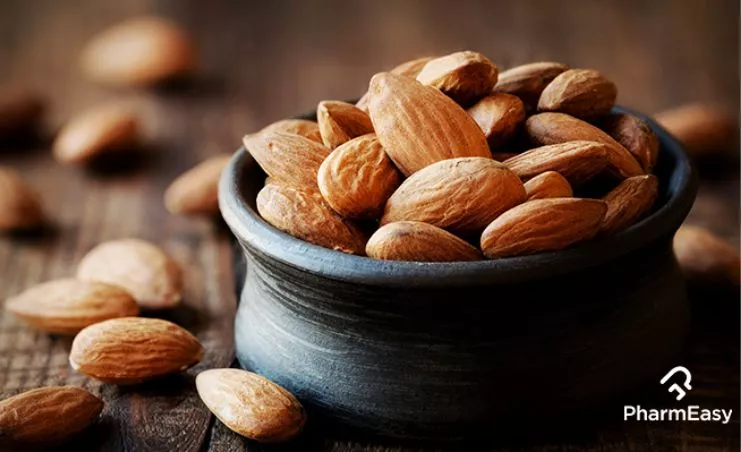
Botanically classified as drupes, these seeds originate from the almond tree. These nutrient-packed kernels have been valued for centuries, not only for their pleasant taste and satisfying crunch but also for their impressive properties that support well-being.
From age-old Ayurvedic traditions to contemporary scientific inquiry, the advantages of these nuts are consistently underscored. What many overlook: the sheer density of essential vitamins, minerals, beneficial fats, and antioxidants contained within each small kernel.
Most people overlook this completely.
Nutritional Breakdown of Almonds
A standard serving of these nuts, typically around 28 grams (approximately 23 kernels), presents an outstanding nutritional composition. This portion delivers about 160 calories, 6 grams of protein, and 14 grams of beneficial fats, with the majority being monounsaturated and polyunsaturated types. These are considered the 'good' fats that contribute positively to cardiovascular well-being.
5 grams, which assists digestion and fosters a feeling of fullness. Consider it this way: you're receiving a considerable nutritional advantage without an excessive caloric load.
Beyond the primary macronutrients, these nuts are an abundant source of crucial micronutrients. They are particularly rich in Vitamin E, an antioxidant that shields your cells from cellular damage caused by oxidation. Merely one ounce of these nuts supplies about 45% of the daily recommended intake of Vitamin E.
Additionally, they serve as an excellent source of magnesium, a mineral vital for over 300 bodily processes, including blood sugar regulation, blood pressure management, and energy generation. Other indispensable minerals found in these nuts include manganese, copper, phosphorus, and potassium. The presence of these nutrients makes these kernels a valuable component of any balanced eating plan.
Benefits for Well-being from Almonds
Consistent consumption of these nuts is associated with a wide spectrum of positive effects on well-being, substantiated by numerous research studies and frequently highlighted by organizations such as the Indian Council of Medical Research (ICMR).
Here's where it gets interesting.
Cardiovascular Support
These nuts are exceptional for heart well-being. Their high concentration of monounsaturated fats helps reduce LDL ('bad') cholesterol levels while maintaining HDL ('good') cholesterol. The magnesium present also plays a part in sustaining appropriate blood pressure.
What's more,, these kernels contain flavonoids and phenolic compounds, which function as antioxidants, safeguarding arteries from harm inflicted by free radicals. Investigations published in journals like The Lancet have repeatedly shown the favourable impact of consuming nuts, including these, on the risk of cardiovascular ailments. For example, a pooled analysis indicated that regular intake of these nuts can significantly lower the likelihood of heart disease.
Blood Sugar Regulation
For individuals managing diabetes or at danger of developing it, these nuts can be especially advantageous. Their low glycemic index and substantial fibre content help prevent abrupt surges in blood sugar levels post-meal. The magnesium content is also pivotal; studies have revealed that individuals with type 2 diabetes often exhibit lower magnesium levels.
Enhancing magnesium status through dietary sources like these nuts can improve insulin responsiveness. With over 101 million Indians affected by diabetes (ICMR, 2023), managing blood sugar levels is a critical public well-being concern. Incorporating these nuts can be a straightforward yet effective approach.
The numbers don't lie.
Weight Management Support
Despite being rich in calories, these nuts can assist with weight management. The combination of protein, fibre, and beneficial fats promotes a feeling of fullness (satiety), which can support curb overall calorie consumption throughout the day.
Research has indicated that individuals who include these nuts in their diet tend to have lower body mass index (BMI) and waist circumference compared to those who do not. Think about it this way: by keeping you satisfied for extended periods, these nuts can prevent overeating at subsequent meals.
Cognitive Function Support
The Vitamin E present in these nuts is a potent antioxidant that aids in protecting brain cells from oxidative stress, which is linked to cognitive decline and neurodegenerative conditions. On top of that,, the beneficial fats and other nutrients support overall brain performance.
Regular intake has been associated with enhanced memory and cognitive abilities in certain studies. While ongoing research continues, the potential for these nuts to bolster brain function is considerable.
The numbers don't lie.
Skin Vitality
The elevated Vitamin E levels contribute to vibrant skin by offering protection against UV radiation and promoting skin regeneration. Antioxidants within these nuts counteract free radicals that can lead to premature aging and the formation of wrinkles.
Many skincare formulations even use oil derived from these nuts for its nourishing and moisturizing qualities. Meena, our homemaker from Jaipur, observed that her skin did indeed begin to appear more radiant after a few weeks of consistent intake of these kernels.
Digestive System Well-being
The fibre present in these nuts functions as a prebiotic, nourishing beneficial microorganisms in the gut. A thriving gut microbiome is fundamental for digestion, immunity, and even emotional equilibrium. The fibre promotes regular bowel movements, helping to alleviate constipation, which was one of Meena's initial concerns.
Ways to Include Almonds in Your Eating Plan
There are countless delicious and practical methods to enjoy these nuts. Soaking them overnight is a common practice in Indian households, particularly during the humid monsoon season, as it facilitates easier digestion and nutrient absorption. Soaked kernels, once peeled, possess a softer consistency and are favoured by many for their digestibility.
That alone changes everything.
What should you actually do? Begin with a modest amount!
- As a Snack: A small portion of raw or roasted kernels makes an excellent, energy-boosting snack.
- In Meals: Finely chop these nuts and incorporate them into salads, yogurts, oatmeal, or stir-fries to add texture and nutritional value.
- Nut Milk: Create homemade nut milk by blending soaked and peeled kernels with water. This is a dairy-free alternative suitable for smoothies, cereals, or beverages.
- For Garnish: Sliced or slivered kernels are ideal for garnishing Indian desserts like Kheer or Peda, and savoury dishes such as Biryani.
- In Baking: Nut flour, derived from ground kernels, is a favoured gluten-free option for baking cakes, cookies, and bread.
The adaptability of these nuts means they can be integrated into nearly any meal or snack, harmonizing with both sweet and savoury tastes. Consider the celebratory diet during Diwali, when sweets are plentiful; incorporating these kernels can introduce some nutritional balance.
Possible Adverse Effects and Precautions
While these nuts offer numerous advantages, it is important to consume them with restraint. Excessive intake can lead to certain issues.
Digestive Discomfort
The significant fibre content, while beneficial, can trigger digestive unease, such as bloating, gas, or diarrhoea, if consumed in overly large quantities, particularly if your digestive system is unaccustomed to a high-fibre diet. Commencing with a smaller portion and gradually increasing intake can assist your system adapt.
In many instances, this is a transient issue.
Allergic Reactions
Food allergies to nuts are prevalent, and an allergy to these specific kernels is among them. Symptoms can range from mild skin reactions (hives) to severe anaphylaxis.
If you suspect an allergy to these nuts, avoid all products containing them and seek medical counsel promptly. The incidence of food allergies is a growing global concern, and awareness is paramount.
Vitamin E Overload
Although uncommon, ingesting extremely large quantities of these nuts (far beyond typical dietary consumption) could theoretically result in Vitamin E toxicity. Manifestations might include nausea, diarrhoea, and blurred vision. It is practically impossible to reach toxic levels through standard dietary consumption.
Weight Accumulation
As noted, these nuts are calorically dense. Consuming them excessively without accounting for the calories can contribute to unwanted weight gain. Managing portion sizes is critical. A standard serving is generally considered to be approximately 1 ounce or 28 grams.
The numbers don't lie.
Phytic Acid Content
These kernels, similar to other nuts and seeds, contain phytic acid, an antinutrient that can bind with minerals such as iron, zinc, and calcium, potentially diminishing their absorption. Soaking or roasting these nuts can benefit reduce the phytic acid levels, making the minerals more readily available.
This explains why soaking is a traditional and advantageous practice.
Almonds and Specific Well-being Concerns
Let's examine how these nuts interact with particular well-being issues frequently encountered in India.
Diabetes Care
As previously elaborated, the low glycemic index and abundant magnesium content of these nuts render them an excellent choice for individuals with diabetes. The International Diabetes Federation (IDF) frequently suggests dietary modifications that include nuts for improved glycemic management.
One study indicated that incorporating these nuts into the diet of individuals with prediabetes could enhance insulin sensitivity and decrease the likelihood of developing type 2 diabetes.
Cholesterol Regulation
For individuals concerned about elevated cholesterol, these nuts are a dietary ally. Substituting saturated fats with these kernels has been shown to enhance cholesterol profiles. A daily intake of approximately 1.5 ounces (43 grams) of these nuts has been linked to enhancements in cholesterol levels, according to research supported by the USDA.
Pregnancy and Lactation
These nuts are a good source of folate, essential for fetal development, and other nutrients beneficial during pregnancy and breastfeeding. However, expectant mothers should be aware of potential allergies and consume these kernels moderately. Always discuss dietary adjustments with your obstetrician.
This is where most patients struggle.
Guidance from Experts
Dr. Rajeev Singh, a distinguished endocrinologist affiliated with AIIMS (All India Institute of Medical Sciences), frequently recommends that his sufferers include a small handful of these nuts in their daily dietary intake. "These kernels are a nutritional powerhouse, offering a combination of beneficial fats, protein, fibre, and essential micronutrients like Vitamin E and magnesium," he states.
"Their advantages for cardiovascular well-being, blood sugar regulation, and even weight management are well-documented. " He stresses that a balanced diet is paramount, and these nuts should be integrated as part of a broader pattern of nutritious eating, not as a singular remedy.
But why does this phenomenon occur? The synergistic effect of the nutrients within these nuts works to deliver these wide-ranging advantages. The monounsaturated fats contribute to better insulin sensitivity, while the fibre slows down sugar absorption.
The antioxidants combat inflammation, a foundational cause of many chronic ailments. It is a holistic outcome driven by simple, natural ingredients.
A Note on Nut Varieties: While raw and roasted kernels are typical, One thing stands out: roasting can sometimes diminish the levels of certain beneficial compounds, although it may enhance their palatability for some. Raw, unpasteurized kernels are generally considered the most nutrient-rich, but ensure they are obtained safely. Blanched kernels (with skins removed) still retain many nutrients but lose some of the fibre and antioxidants present in the skin.
The practice of consuming these nuts, particularly when soaked and peeled, is deeply embedded in Indian culture, often viewed as a method to boost vitality and immunity, especially for children and the elderly. This traditional wisdom aligns remarkably well with current scientific findings.
Here's where it gets interesting.
Key Takeaways
- These nuts are abundant in Vitamin E, magnesium, fibre, and beneficial monounsaturated fats.
- Regular consumption can positively impact cardiovascular well-being by improving cholesterol levels and blood pressure.
- They contribute to blood sugar management owing to their low glycemic index and substantial fibre content.
- They promote satiety, potentially assisting with weight management when consumed judiciously.
- Soaking these nuts can enhance digestibility and reduce phytic acid levels.
Always seek counsel from a qualified medical professional before making any health-related decisions.