Antenatal Care in Katihar: Ensuring a Healthy Pregnancy Journey
Pregnancy is a transformative period, and ensuring the well-being of both mother and child is paramount. Antenatal care, often called prenatal care, involves regular medical check-ups and guidance throughout the gestation period.
In Katihar, like elsewhere in India, accessing quality antenatal services is crucial for a safe and healthy pregnancy outcome. We often see expectant mothers in our clinics who understand the importance of these visits.
What most people miss: The journey from conception to delivery requires consistent medical supervision. These check-ups are not just routine; they are vital for identifying and managing potential complications early.
Following guidelines from institutions like the World Health Organization (WHO), regular antenatal visits form the bedrock of modern obstetric practice.
Why is Antenatal Care So Important?
The primary goal of antenatal care is to monitor the health of the mother and the developing fetus. It helps in the early detection of pregnancy-related conditions such as gestational diabetes or hypertension (high blood pressure). Early intervention can significantly improve outcomes.
This is where most patients struggle.
- Monitoring Maternal Health: Regular checks ensure the mother's vital signs are stable.
- Fetal Development Tracking: Ultrasounds and other tests monitor the baby's growth and well-being.
- Nutritional Guidance: Specialists provide advice on diet and supplements like folic acid.
- Education and Support: Expectant mothers receive information about labour, delivery, and infant care.
- Preventing Complications: Identifying risks early allows for timely management.
What to Expect During Antenatal Visits in Katihar
Your antenatal journey typically begins soon after you confirm your pregnancy. The frequency of visits will increase as your pregnancy progresses. Physicians in Katihar follow standard protocols, often aligning with recommendations from the Indian Council of Medical Research (ICMR).
Initial Check-up
The first visit is usually the most detailed. You can expect:
- A thorough medical history review.
- Physical examination, including weight and blood pressure measurement.
- Blood tests (for anaemia, blood group, infections like HIV and Hepatitis B).
- Urine tests.
- Your estimated due date will be calculated.
Subsequent Visits
During later appointments, the focus shifts to monitoring your health and the baby's growth. You'll experience:
- Weight and blood pressure checks at each visit.
- Fundal height measurement (to track uterine growth).
- Fetal heart rate monitoring.
- Discussions about any concerns or changes you've noticed.
Does this sound familiar? Many women find these regular check-ins reassuring.
Key Components of Antenatal Care
Beyond basic check-ups, comprehensive antenatal care includes several vital aspects. Specialists often emphasize these for a holistic approach.
Nutrition and Lifestyle
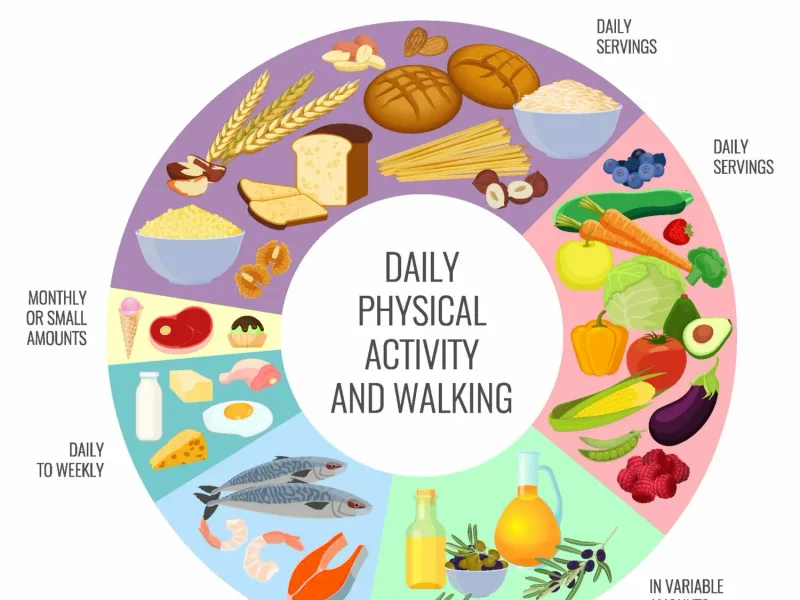
Proper nutrition is foundational. A balanced diet, rich in iron and calcium, is crucial. Doctors may prescribe supplements to fill nutritional gaps. Staying hydrated and engaging in moderate exercise, if approved by your physician, also helps. Many women in Bihar focus on traditional, nutritious foods adapted for pregnancy.
Screening and Immunization
Screening tests help identify potential genetic abnormalities or health issues. Vaccinations, such as the tetanus toxoid vaccine, are administered to protect both mother and baby. These are standard practices recommended by global health bodies.
Education on Danger Signs
Knowing the danger signs is a critical part of preparedness. These indicators necessitate immediate medical attention:
- Severe headache
- Blurred vision
- Excessive swelling
- Vaginal bleeding
- Decreased fetal movement
- Fever or chills
But why does this happen? These signs can indicate serious complications requiring urgent care.
Finding Antenatal Services in Katihar
Katihar offers various options for antenatal care. These range from government health centres to private clinics and hospitals.
The Pradhan Mantri Surakshit Matritva Abhiyan (PMSMA) initiative, for instance, aims to provide quality assured, comprehensive maternal health services. You can find these services at district hospitals and community health centres.
This is where most individuals struggle.
The reality is, choosing a healthcare provider you trust is key. Consider factors like accessibility, the doctor's experience, and the facilities available. Speaking with family or friends who have recently had babies in the area can also provide valuable insights.
Preparing for Delivery
As your due date approaches, your doctor will discuss your birth plan. This includes understanding your options for delivery—vaginal birth or C-section—and making necessary arrangements. Hospitals in Katihar are equipped to handle various delivery scenarios.
Living with this is genuinely hard.
Pregnancy can bring its own set of challenges, both physical and emotional. Remember to communicate openly with your healthcare provider about any discomfort or anxiety you experience. Support systems—family, friends, and your medical team—are vital during this time. A healthy mind supports a healthy body.
Your dedication to seeking regular antenatal care in Katihar is a powerful step towards a joyous and healthy motherhood. Embrace this journey with confidence, knowing you are taking the best possible steps for your baby's arrival.
Here's where it gets interesting.
Frequently Asked Questions
How often should I visit the doctor during pregnancy in Katihar?
Typically, you'll visit monthly until 28 weeks, then bi-weekly until 36 weeks, and weekly thereafter. Your doctor in Katihar will advise the exact schedule based on your health.
What are the essential tests during antenatal care?
Essential tests include blood tests (for anaemia, blood group, infections), urine tests, ultrasounds to monitor fetal growth, and screening for conditions like gestational diabetes. Your physician will guide you on specific needs.
Can I continue my regular diet during pregnancy?
A balanced, nutritious diet is crucial. While many traditional foods can be part of your diet, it's vital to avoid certain items and ensure adequate intake of iron, calcium, and folic acid. Consult your doctor or a nutritionist for personalized advice.
What if I experience a medical emergency during pregnancy in Katihar?
If you experience any danger signs like severe bleeding, decreased fetal movement, or intense pain, seek immediate medical attention at the nearest hospital or emergency service. Prompt care is vital.
Always consult a qualified physician before making medical decisions.