Understanding Prenatal Care in the Metiabruz Region
The journey of carrying a child is a profound experience, and safeguarding the well-being of both the expectant parent and the infant is of utmost importance. Prenatal care, sometimes referred to as pre-birth care, involves the routine medical examinations and assistance offered to individuals expecting a baby. Within Metiabruz, similar to other parts of India, securing access to excellent maternal services is crucial for a secure and positive outcome for the gestation period. This essential medical oversight commences once a conception is confirmed and continues through to the time of delivery.
From a practical standpoint, these regular check-ups extend beyond merely monitoring physical condition; they also deliver vital emotional and educational guidance. Many individuals have observed firsthand how a well-organized program of pre-birth care can significantly lower the risk of complications during gestation. The reality is, consistent engagement with early medical attention can profoundly impact the entire process.
Why is Maternal Care Essential?
Frequent visits for maternal oversight serve several critical purposes. They allow medical professionals to closely track the expectant parent's physical state and the infant's development and growth. A significant advantage is the early identification and management of potential concerns, such as gestational diabetes or hypertension (elevated blood pressure). This proactive approach helps prevent issues that might adversely affect the parent or the developing fetus.
What many individuals overlook: These appointments also serve as an educational opportunity. Future parents can gain knowledge about proper nutrition, the birthing process, delivery, and post-delivery recovery. Such information empowers them to make well-informed decisions throughout the expectant period and beyond.
Core Elements of Prenatal Services
Maternal care typically encompasses a series of appointments, diagnostic procedures, and indispensable guidance. The frequency of these visits generally increases as gestation advances. Early in the expectant period, appointments might occur monthly, whereas in the later stages, they could become weekly.
- Initial Consultation: The very first visit commonly takes place within the first trimester. It involves a comprehensive medical background review, a physical assessment, and initial screenings.
- Regular Check-ups: Subsequent appointments monitor changes in body weight, blood pressure, and the baby’s heart rate. The fundal height (the measurement from the pubic bone to the top of the uterus) is assessed to chart fetal growth.
- Diagnostic Screenings: Various evaluations are conducted, including blood analyses (to check for anemia, determine blood group, and screen for infections such as HIV, Hepatitis B), urine analyses (to detect protein and sugar), and ultrasounds. Ultrasound imaging helps visualize the infant, confirm its position, and evaluate growth.
- Nutritional Recommendations: Appropriate nourishment is foundational. Specialists provide advice on a balanced eating plan rich in folic acid, iron, calcium, and other vital nutrients.
- Lifestyle Guidance: Common recommendations include abstaining from smoking and alcohol, managing stress, and participating in safe physical activities.
- Immunizations: The tetanus toxoid vaccination is typically advised.
Honestly, navigating these scheduled visits might initially feel overwhelming, yet the assistance provided is invaluable.
Standard Screenings During Gestation
Several diagnostic evaluations form part of routine prenatal services. These procedures assist in ensuring a healthy expectant period by identifying potential risks early.
- Blood Analyses: These are critical for checking hemoglobin levels (to detect anemia), determining blood type and Rh factor, and screening for infectious illnesses like HIV, Hepatitis B, and Syphilis.
- Urine Analyses: Utilized to identify urinary tract infections and to check for protein or sugar, which can signify conditions such as pre-eclampsia or gestational diabetes.
- Ultrasound Scans: Typically performed at specific intervals (around 11-14 weeks for Nuchal Translucency, 18-20 weeks for the anomaly scan, and later for growth monitoring). These imaging sessions evaluate fetal anatomy, development, and position.
- Glucose Challenge Evaluation (GCE): Usually conducted between 24-28 weeks to screen for gestational diabetes.
How meaningful are these procedures truly? They are designed to detect potential complications before they become severe, thereby safeguarding both the parent and the child.
Nourishment and Daily Habits for Expectant Individuals in the Metiabruz Community
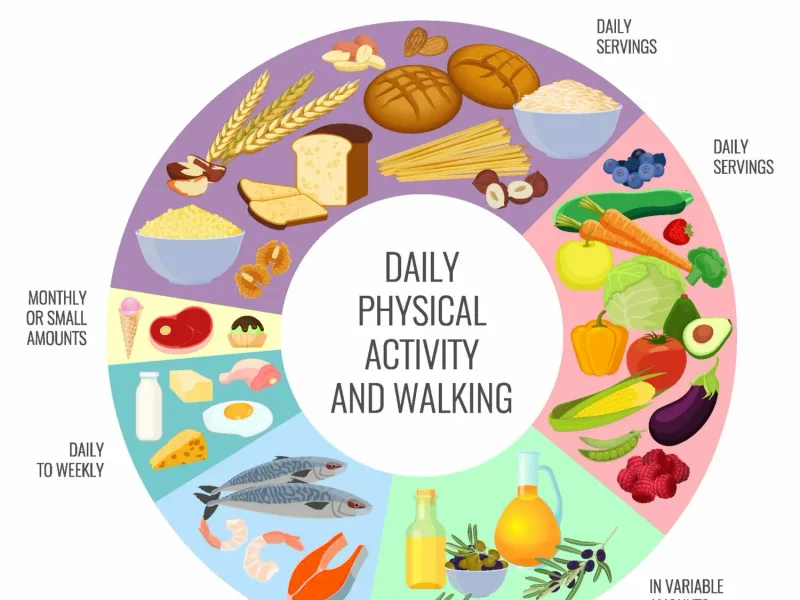
Maintaining a wholesome diet represents one of the most impactful actions an expectant individual can undertake. A balanced eating plan should incorporate abundant fruits, vegetables, whole grains, and lean protein. Particular attention should be paid to iron and calcium intake, often supplemented as recommended by medical professionals.
Managing dietary requirements alongside cravings and aversions can indeed be challenging, but prioritizing nutrient-dense foods is key. Adequate hydration holds equal importance; consuming ample water throughout the day is essential.
Beyond diet, lifestyle choices play a marked role. Regular, moderate physical activity, such as walking, is highly encouraged. However, strenuous exercises should be avoided unless sanctioned by a healthcare provider. Sufficient rest is also crucial for managing energy levels and overall well-being. Abstaining from smoking, alcohol, and recreational drugs is absolutely imperative for fetal development.
Consider it akin to preparing a special meal – each component (nutrient) and the cooking process (daily habits) must be precisely right for the most favorable outcome.
Locating Dependable Maternal Services in Metiabruz
The Metiabruz area provides various options for maternal care. These span from government-operated primary care centers to private clinics and hospitals. It is advisable to select a facility or a specialized physician (obstetrician) known for a strong reputation and experienced personnel.
When choosing a provider, consider:
- Credentials and Background: Seek out accredited institutions and seasoned medical practitioners.
- Accessibility: Ensure the clinic or hospital is easily reachable, especially during urgent situations.
- Available Offerings: Verify if they furnish all necessary diagnostic procedures and possess facilities for delivery if required.
- Patient Feedback: While not the sole determinant, comments from other patients can be beneficial.
Consulting a local general practitioner can also yield recommendations for trusted specialists in the vicinity. The World Health Organization (WHO) underscores the significance of accessible and high-quality maternal medical attention for everyone.
Potential Difficulties and Assistance Frameworks
The expectant period can sometimes introduce unforeseen difficulties. These might include morning sickness, fatigue, or more serious conditions like pre-eclampsia. Access to prompt medical counsel and assistance is critical.
So, what does this imply for you? It means maintaining communication with your healthcare provider and not hesitating to voice any concerns. Peer groups and pre-birth classes can also be incredibly advantageous, offering emotional encouragement and practical advice from fellow individuals anticipating parenthood.
Honestly, the shared narratives in these groups often provide immense comfort and pragmatic solutions. Local community health workers can also serve as a valuable resource, delivering information and guidance.
The Role of Governmental Initiatives
India has several governmental programs aimed at enhancing maternal and child well-being. Initiatives such as the Pradhan Mantri Surakshit Matritva Abhiyan (PMSMA) strive to deliver guaranteed, thorough, and high-quality prenatal care, free of charge, on the 9th of each month. These programs are designed to bolster routine pre-birth services and make sure every pregnant woman receives the necessary medical attention. Public awareness campaigns by bodies like the Indian Council of Medical Research (ICMR) also play a crucial role in educating the populace about the importance of maternal oversight.
Getting Ready for Childbirth and Delivery
As the anticipated delivery date draws near, maternal services increasingly focus on preparing for childbirth and the delivery process. This involves discussions about pain management strategies, understanding the stages of labor, and planning for the post-delivery phase. Many healthcare providers in the Metiabruz area offer classes for expectant parents that delve into these subjects in detail. These sessions equip future parents with both knowledge and self-assurance for the major day.
Post-Delivery Recovery Care
Maternal care does not conclude with childbirth. Post-delivery recovery is equally vital for the mother’s recuperation and the infant’s thriving. This typically entails follow-up appointments to monitor the mother's physical and mental well-being and to ensure the baby is developing appropriately. The Lancet has published numerous studies emphasizing the critical nature of this phase for long-term maternal well-being.
Embracing prenatal services represents a commitment to a healthier future for your family. By staying informed and actively engaging in your medical oversight, you are providing your baby the best possible start in life. We encourage all individuals expecting a child in Metiabruz to prioritize these appointments and seek assistance whenever required. Your journey towards parenthood is important, and dependable care is available to support you every step of the way.
Always consult a qualified physician before making medical decisions.
Frequently Asked Questions
What is the initial action after confirming a conception?
The first step is to arrange an appointment with a physician or visit a healthcare facility for your initial pre-birth check-up. This visit will establish a baseline for your maternal care and address any immediate concerns.
How often should I attend pre-birth check-ups?
Generally, medical examinations are monthly until 28 weeks, then bi-weekly until 36 weeks, and weekly thereafter until delivery. However, your doctor will advise a schedule based on your specific physical state and the progression of your gestation.
Can I maintain my usual eating habits during gestation?
While continuing your regular eating habits is possible, it's crucial to ensure it is balanced and nourishing. Your doctor or a dietitian can help customize your diet to include essential nutrients like folic acid and iron, and manage any specific dietary requirements or limitations.
What are the indicators of a high-chance gestation?
Indicators of a high-likelihood expectant period can include severe vomiting, persistent headaches, blurred vision, sudden swelling, or reduced fetal movements. It is vital to report any unusual or worrying symptoms to your doctor immediately.
That's the part worth remembering.