Understanding Antenatal Care in Paschim Medinipur
Pregnancy is a transformative journey, and ensuring the health of both mother and baby is paramount. Antenatal care, often called prenatal care, forms the bedrock of a healthy pregnancy. It involves regular medical check-ups and guidance from healthcare professionals throughout the gestation period. In Paschim Medinipur, like the rest of India, these services are vital for monitoring progress and addressing any potential concerns early on.
Why is Antenatal Care Crucial?
The reality is, a healthy pregnancy doesn't just happen; it requires proactive management. Antenatal care helps in several key ways:
- Early Detection of Risks: Physicians can identify potential complications, such as gestational diabetes or hypertension (high blood pressure), long before they become serious.
- Health Monitoring: Regular check-ups track the baby's growth and the mother's well-being, ensuring everything is on course.
- Nutritional Guidance: Expecting mothers receive vital advice on diet and supplements needed for fetal development.
- Preparation for Childbirth: Education on labor, delivery, and postnatal care empowers mothers with knowledge.
Think about it this way: it's like getting regular tune-ups for your car to prevent breakdowns. Similarly, these check-ups ensure your body is prepared for the marathon of childbirth.
Components of Essential Antenatal Care
Antenatal care is a structured process. It typically begins soon after a woman discovers she is pregnant and continues until delivery. The World Health Organization (WHO) emphasizes a minimum of eight antenatal care visits for uncomplicated pregnancies, a standard many healthcare providers in Paschim Medinipur strive to meet.
Initial Consultation and Baseline Assessment
Your first visit is crucial. Physicians will typically:
- Record your medical history, including previous pregnancies and any chronic conditions.
- Perform a physical examination, including weight and blood pressure checks.
- Conduct blood tests to check for anemia, blood group, and infectious diseases like HIV or Hepatitis B.
- Schedule an ultrasound scan, often around 8-12 weeks, to confirm the pregnancy, estimate the due date, and check the baby's development.
This initial assessment helps establish a baseline for your health throughout the pregnancy.
Regular Check-ups: What to Expect
Subsequent visits are usually scheduled every 4-6 weeks in the second trimester and more frequently in the third. Have you ever wondered why visits become more frequent later in pregnancy? The reason is straightforward: the baby grows rapidly, and the risk of certain complications increases. During these appointments, expect:
- Weight and Blood Pressure Monitoring: Essential for detecting pre-eclampsia, a serious condition.
- Urine Tests: To check for protein or sugar, indicating potential kidney issues or gestational diabetes.
- Fetal Heartbeat Monitoring: Using a Doppler device to listen to the baby's heartbeat.
- Fundal Height Measurement: Measuring the uterus size to track the baby's growth.
- Edema Check: Looking for swelling in the hands and feet.
What most people miss is that these seemingly routine checks are vital diagnostic tools.
Nutrition and Lifestyle Advice
Proper nutrition is non-negotiable for a healthy pregnancy. Specialists in Paschim Medinipur emphasize:
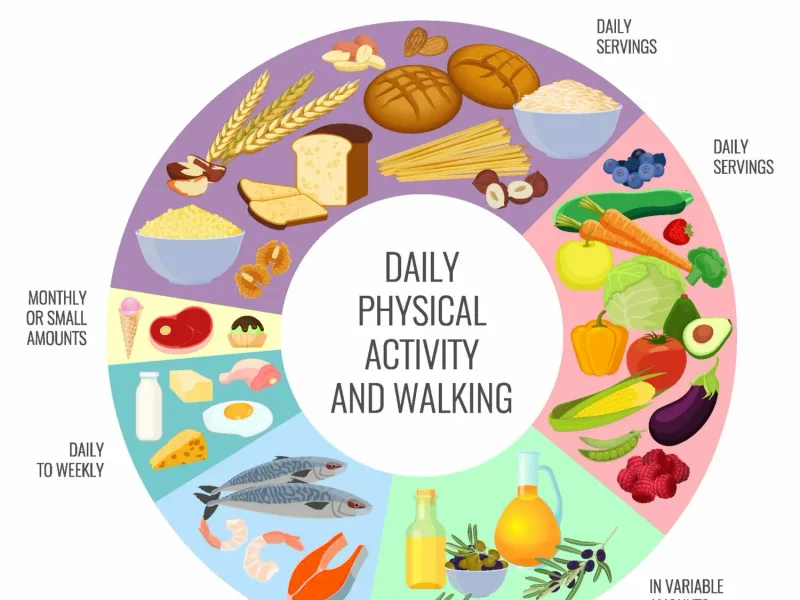
- Balanced Diet: Including plenty of fruits, vegetables, whole grains, and lean protein.
- Folic Acid Supplementation: Crucial for preventing neural tube defects in the developing baby. Doctors often prescribe this from the very beginning.
- Iron Supplements: To combat iron-deficiency anemia, a common issue.
- Adequate Hydration: Drinking plenty of water is key.
- Avoiding Harmful Substances: This includes alcohol, smoking, and certain medications.
Living with this is genuinely hard, especially when cravings hit, but maintaining a healthy diet is a key investment in your baby's future.
Importance of Immunizations and Screening
Antenatal care also involves ensuring the mother is up-to-date with crucial immunizations. The tetanus toxoid vaccine is typically recommended to protect both mother and newborn from tetanus. Depending on individual danger factors and local health advisories from institutions like the Indian Council of Medical Research (ICMR), other screenings might be suggested.
Accessing Antenatal Care in Paschim Medinipur
Paschim Medinipur, a district with both urban and rural populations, offers various avenues for accessing antenatal care. These include government health facilities and private clinics.
Government Health Facilities
Government hospitals and Primary Health Centres (PHCs) across Paschim Medinipur provide subsidized or free antenatal services. These facilities are often the primary point of contact for many families, especially in rural areas. They are equipped to handle routine check-ups, basic diagnostics, and referrals when necessary. The Janani Shishu Suraksha Karyakram (JSSK) scheme, a national initiative, aims to provide completely free and cashless services to pregnant women and sick newborns, including delivery and postnatal care.
Private Healthcare Providers
For those who prefer or require specialized care, private nursing homes and hospitals are available. These often offer advanced diagnostic facilities and a wider range of specialists. While generally more expensive, they provide another crucial option for expectant mothers.
Community Health Workers and ASHA Facilitators
Accredited Social Health Activists (ASHAs) play a vital role, particularly in rural Paschim Medinipur. They act as a bridge between communities and the healthcare system, encouraging institutional deliveries, facilitating access to services, and providing essential health information and support. Their presence is invaluable in ensuring that even remote populations receive adequate care.
frequent Concerns and Myths
Pregnancy is often surrounded by myths and anxieties. Addressing these is a key part of antenatal counseling.
Myth: Morning Sickness is Always in the Morning
The reality is: Nausea and vomiting can occur at any time of the day or night. It's a usual indicator of early pregnancy but usually subsides by the second trimester.
Myth: You Need to 'Eat for Two' Extravagantly
In real-world terms, while nutritional needs increase, it's about quality, not just quantity. Focus on nutrient-dense foods rather than doubling your intake. Excessive weight gain can lead to complications.
Myth: All Swelling is Normal
How serious is this really? While mild swelling (edema) is frequent, sudden or severe swelling, especially in the face and hands, accompanied by headaches or vision changes, could signal pre-eclampsia and requires immediate medical attention.
Preparing for Delivery and Postnatal Care
Antenatal care extends beyond just monitoring. It involves preparing for the actual event of childbirth and the crucial period afterward.
Choosing a Birthing Location
Deciding where to deliver – a government facility, a private hospital, or a birthing centre – is an important discussion with your doctor. Factors like proximity, available facilities, and your likelihood profile will guide this decision. Many women in Paschim Medinipur opt for institutional deliveries supported by government initiatives.
Understanding Labor Signs
Learning to recognize the signs of labor – regular contractions, water breaking, or a bloody show – is vital for timely arrival at the chosen birthing place.
Postnatal Care Essentials
Care doesn't end with delivery. Postnatal care focuses on the mother's recovery and the baby's initial health. This includes check-ups for both, support for breastfeeding, and monitoring for any signs of postpartum depression. Mother and child protection (MCP) cards are used to track these essential services.
Conclusion: Your Health, Our Priority
Antenatal care is a fundamental right and a crucial step towards a healthy pregnancy and a thriving baby. In Paschim Medinipur, a network of healthcare providers, supported by government programs and community health workers, is dedicated to ensuring expectant mothers receive the best possible care. Embrace this journey with knowledge and proactive engagement. Remember, prioritizing your health during pregnancy benefits not just you but also your little one for years to come.
Always consult a qualified physician before making medical decisions.
Frequently Asked Questions
What are the essential tests during the first antenatal visit?
The first visit typically includes a physical examination, blood pressure and weight checks, blood tests (for anemia, blood group, infections), and often an early ultrasound to confirm the pregnancy and estimate the due date.
How often should I attend antenatal check-ups?
For uncomplicated pregnancies, guidelines suggest at least eight visits. Initially, visits are monthly, becoming bi-weekly in the third trimester and weekly in the final month, though your doctor will advise based on your specific disorder.
What is the importance of folic acid during pregnancy?
Folic acid is vital for preventing serious birth defects of the baby's brain and spine, known as neural tube defects. It's recommended to start taking folic acid supplements even before conception and continue through the first trimester.
Can I travel during pregnancy in Paschim Medinipur?
Generally, travel is safe during the second trimester when most women feel well. However, discuss any travel plans with your doctor, especially if you have a high-possibility pregnancy. They can advise on safety precautions and necessary arrangements.
Most people overlook this completely.