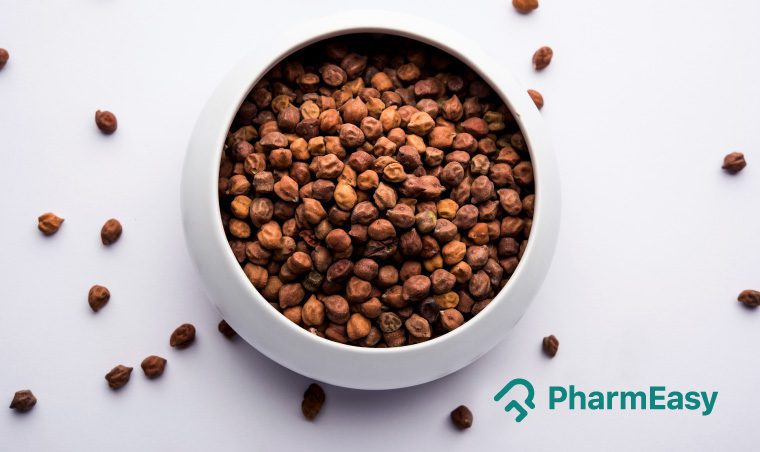
A Powerhouse of Nutrients: The Humble Chickpea
Meena, 45, a homemaker from Jaipur, felt her vitality diminish significantly, particularly after her morning meals. She frequently experienced bloating and mild digestive unease. Her physician, Dr.
Rajeev Singh, suggested increasing her intake of foods abundant in dietary fibre. Among his recommendations was the small, dark chickpea, also known as kala chana. This common legume, a staple in many Indian kitchens, offers much more than just a culinary ingredient; it's a potent source of nutrients that can greatly enhance overall wellness.
The truth is, many individuals overlook the profound wellness advantages contained within small pulses like this dark chickpea. While larger, lighter chickpeas are more prevalent in certain dishes, the smaller, darker variety provides a distinct array of nutrients and a wealth of health advantages.
Have you ever pondered why certain time-honored Indian foods have endured? This pulse is a prime instance of nature's pharmacy, readily accessible and remarkably effective.
What's Inside: The Nutritional Composition
This dark chickpea is a nutritional giant. A 100-gram portion of the cooked legume offers roughly 143 calories, 7 grams of dietary fibre, and 7 grams of protein. It also stands as an excellent provider of vital minerals such as iron, phosphorus, magnesium, and potassium.
Additionally, it contains a substantial amount of folate and other B vitamins essential for metabolic processes that generate power. The significant fibre content, particularly the soluble type, is a crucial element in its wellness benefits, especially concerning digestion and cardiovascular well-being.
Recovery is rarely linear.
Often, the emphasis on exotic "superfoods" diverts our attention from the incredible nourishment found in everyday items. This pulse exemplifies this very point.
Its complex carbohydrates provide a steady release of power, preventing the sharp increases in blood sugar often linked to refined grains. This makes it an outstanding dietary choice for those managing diabetes or aiming to maintain steady power levels throughout the day.
Wellness Advantages of the Dark Chickpea
1. Managing Blood Sugar and Diabetes
For individuals managing diabetes, this dark legume can be transformative. Its low glycemic index (GI) signifies that it introduces glucose into the bloodstream gradually, preventing abrupt shifts in blood sugar levels.
Research featured in publications like The Lancet has underscored the significance of high-fibre, low-GI foods in improving glycemic control for diabetic patients. With over 101 million individuals in India currently living with diabetes (ICMR, 2023), dietary strategies like incorporating this pulse are critically important.
The soluble fibre present, specifically galactans, can decelerate sugar absorption, further supporting stable blood glucose readings. This pulse functions as a slow-release source of power, which is highly advantageous for sustaining consistent energy and averting cravings that can lead to less healthy snacking.
The numbers don't lie.
2. Supporting Heart Wellness
The fibre, potassium, and magnesium present in this legume collectively bolster cardiovascular health. Potassium aids in blood pressure regulation by balancing the effects of sodium, while magnesium contributes to maintaining a steady heart rhythm.
The soluble fibre also binds to cholesterol in the digestive tract, hindering its absorption and assisting in lowering LDL (unhealthy) cholesterol levels. This is vital, as heart-related conditions remain a primary cause of mortality in India.
Practically speaking, adding a serving of a kala chana curry or sprouts to your weekly meals can yield a noticeable improvement in your heart health indicators over time. The absence of cholesterol in plant-based foods like this pulse further enhances its cardiovascular advantages.
The International Diabetes Federation (IDF) also highlights dietary fibre's role in managing metabolic syndrome, a collection of conditions that elevate the risk of heart disease.
3. Digestive Function and Gut Flora
A diet rich in fibre is fundamental for a well-functioning digestive system. This dark chickpea, with its abundant fibre, encourages regular bowel movements and helps prevent constipation.
This dietary fibre also acts as a prebiotic, nourishing the beneficial microorganisms in your gut. A thriving gut microbiome is associated with numerous aspects of wellness, including immune response, mood stability, and even body weight regulation.
That alone changes everything.
When we consider the typical Indian diet, which can sometimes lean heavily on refined carbohydrates and lack sufficient fibre, integrating pulses like this becomes even more crucial. It helps maintain the integrity of the intestinal lining and can reduce the likelihood of digestive ailments.
What steps should you actually take to enhance your gut wellness? Begin by including a serving of these fibre-rich legumes regularly.
4. Assisting with Body Weight Management
The synergy of high protein and high fibre in this pulse makes it an excellent food for managing body weight. Both protein and fibre are recognized for their capacity to promote satiety, helping you feel fuller for extended durations.
This can lead to a reduction in overall calorie consumption and curb impulsive snacking. The slow digestion of complex carbohydrates also prevents power slumps that often trigger increased hunger.
For many individuals, particularly those accustomed to eating meals seated on the floor, a satisfying meal that sustains them for hours is essential. This legume, prepared as a sabzi or salad, offers this fullness without the heaviness associated with fried items.
Its nutrient density means you receive substantial nutritional value for the calories consumed.
5. A Valuable Source of Iron
Iron deficiency anaemia presents a notable wellness challenge, particularly among women in India. This dark chickpea is a good plant-based source of iron, which is necessary for producing haemoglobin, the protein that transports oxygen throughout the body.
Here's where it gets interesting.
Consuming iron-rich foods like this pulse, especially when combined with vitamin C sources (such as lemon juice or tomatoes), can significantly improve iron absorption.
Ensuring adequate iron intake is vital for maintaining energy levels, cognitive function, and immune health. Dr.
Rajeev Singh frequently advises his sufferers, especially young women, to consume at least two servings of iron-rich pulses weekly. The World Health Organization (WHO) estimates that anaemia affects billions worldwide, making dietary iron sources like this pulse invaluable.
6. Antioxidant Properties
This dark chickpea contains antioxidants like anthocyanins, which are responsible for its deep hue. These compounds help shield your body's cells from damage caused by free radicals, potentially lowering the danger of chronic illnesses and slowing the aging process.
While not as potent as some fruits, these antioxidants contribute to the legume's overall wellness-promoting characteristics.
Culinary Roles in India
The adaptability of this dark chickpea in Indian cooking is remarkable. It features in a wide variety of dishes, from hearty stews to light salads and appetizers.
During the monsoon season, a warm bowl of kala chana curry provides particular comfort and nourishment. Festival feasts often showcase preparations of this pulse, highlighting its cultural importance.
frequent preparations include:
- Kala Chana Curry/Sabzi: A beloved North Indian dish where soaked and boiled legumes are cooked with onions, tomatoes, ginger, garlic, and a medley of spices. This is frequently served alongside roti or rice.
- Chana Chaat: Boiled legumes are combined with chopped onions, tomatoes, potatoes, chutneys, and spices for a zesty and flavourful snack.
- Sprouted Dark Chickpeas: Sprouts of this legume are considered even more nutrient-dense. They can be eaten raw in salads or lightly sautéed with spices for a wholesome breakfast or snack.
- Dark Chickpea Pulao: This pulse can be incorporated into rice dishes like pulao to boost protein and fibre content.
- Roasted Dark Chickpeas: A favoured dry snack, typically seasoned with salt and spices.
The method of preparation can significantly influence the nutritional worth and ease of digestion of this pulse. Soaking the legumes overnight helps reduce phytic acid, an anti-nutrient that can hinder mineral absorption, and also aids digestion. Thorough cooking is essential to break down complex sugars that may cause gas.
This is where most sufferers struggle.
Possible Downsides and Cautions
While this pulse is exceptionally healthy, consuming it in excess can lead to certain adverse effects, primarily due to its high fibre content and oligosaccharides (a type of carbohydrate). Some individuals might experience gas, bloating, or abdominal discomfort, particularly if their digestive system is unaccustomed to a high-fibre diet.
Starting with smaller quantities and gradually increasing intake can support the digestive system adjust.
For individuals with specific digestive issues like Irritable Bowel Syndrome (IBS), it is wise to seek advice from a physician or dietitian before making substantial dietary modifications. The phytic acid present in legumes can, in some instances, bind with minerals like iron and zinc, reducing their uptake.
However, soaking, sprouting, and thorough cooking significantly lessen this effect. The advantages of this legume generally far exceed these potential drawbacks for most people.
Honestly, paying attention to your body is paramount. If you experience unease, reduce the portion size or the frequency of consumption. The objective is to integrate this nourishing food into a balanced diet, not to consume it in excessive quantities.
Final Thoughts: Adding This Pulse to Your Meals
This dark chickpea is a nutritional treasure offering a broad spectrum of health advantages, from aiding diabetes management and enhancing heart wellness to supporting digestion and weight control. Its affordability, accessibility, and culinary versatility make it an ideal addition to the Indian diet.
Most people overlook this completely.
By understanding its nutritional value and incorporating it thoughtfully into meals, you can unlock its full potential.
Always seek guidance from a qualified medical professional before making any health-related decisions.
Key Points to Remember
- This pulse is rich in protein, fibre, and vital minerals like iron and magnesium.
- It aids in diabetes management by fostering stable blood sugar levels due to its low glycemic index and ample fibre.
- The legume supports cardiovascular health by assisting in the reduction of unhealthy cholesterol and blood pressure regulation.
- Its fibre content promotes digestive wellness and contributes to a healthy gut microbiome.
- Overconsumption might cause gas or bloating in some individuals, particularly those new to fibre-rich foods.