Understanding Blood Cancer Treatment in Araria
Blood cancer, a group of malignancies affecting the blood, bone marrow, and lymph nodes, requires specialized medical attention. In Araria, as elsewhere, accessing timely and effective approach is crucial for improving outcomes.
We often see patients diagnosed with conditions like leukemia, lymphoma, and multiple myeloma seeking reliable care. Understanding the available care modalities and where to find them is the first vital step.
What most people miss: The journey with blood cancer is challenging, not just physically but emotionally. Living with this is genuinely hard.
However, advancements in medical science mean that many types of blood cancers are now treatable, and some are even curable. This post aims to shed light on the blood cancer approach landscape in Araria, providing clarity for those affected and their families.
Types of Blood Cancers
Before delving into treatments, it’s essential to understand the primary types of blood cancers:
- Leukemia: This cancer starts in the bone marrow and affects white blood cells. There are several types, including acute and chronic lymphocytic leukemia (ALL and CLL) and acute and chronic myeloid leukemia (AML and CML).
- Lymphoma: Originating in the lymphatic system, lymphoma involves lymphocytes (a type of white blood cell). Hodgkin lymphoma and non-Hodgkin lymphoma are the two main categories.
- Multiple Myeloma: This cancer affects plasma cells, a type of white blood cell found in the bone marrow. It leads to the accumulation of abnormal plasma cells in the bone marrow, which can damage bones and impair kidney function.
- Myelodysplastic Syndromes (MDS): These are a group of disorders where the bone marrow doesn't produce enough healthy blood cells. MDS can sometimes progress to AML.
Blood Cancer approach Modalities
The approach to treating blood cancer is highly individualized, depending on the specific type, stage, patient's overall health, and genetic factors. Physicians in Araria use a range of proven therapies:
That alone changes everything.
Chemotherapy
Chemotherapy remains a cornerstone of blood cancer therapy. It involves using powerful drugs to kill cancer cells or slow their growth. These drugs can be administered orally or intravenously.
The specific chemotherapy regimen is tailored to the type and aggressiveness of the blood cancer. Think about it this way: chemotherapy is like a targeted bombardment designed to eliminate the rogue cells disrupting the body's healthy blood production.
Targeted Therapy
Targeted therapies are a more recent and often highly proven approach. These treatments focus on specific abnormalities within cancer cells that help them grow and survive. By targeting these specific molecules, these therapies can attack cancer cells while causing less damage to normal cells compared to traditional chemotherapy.
For instance, certain targeted drugs block signals that tell cancer cells to grow and divide. These are often used in conjunction with chemotherapy or as standalone treatments for specific subtypes of leukemia and lymphoma.
Immunotherapy
Immunotherapy is a revolutionary approach that harnesses the patient's own immune system to fight cancer. It works by helping the immune system recognize and attack cancer cells more effectively. CAR T-cell therapy, a form of immunotherapy, is a prime example.
Most people overlook this completely.
In this complex procedure, a patient's T-cells (a type of immune cell) are collected, genetically engineered in a lab to specifically target cancer cells, and then infused back into the patient. While still evolving, it offers hope for difficult-to-treat blood cancers. The reality is, this approach represents a significant shift in cancer care, turning the body's natural defenses into a weapon.
Stem Cell Transplant (Bone Marrow Transplant)
A stem cell transplant, often referred to as a bone marrow transplant, is a critical management for certain blood cancers, particularly aggressive leukemias and lymphomas. This procedure involves replacing diseased or damaged bone marrow with healthy stem cells. These healthy cells can come from the patient's own body (autologous transplant) or from a matched donor (allogeneic transplant).
The goal is to restore the bone marrow's ability to produce healthy blood cells. This is a complex process requiring extensive pre-transplant conditioning and post-transplant monitoring, often undertaken at specialized centres.
Radiation Therapy
Radiation therapy uses high-energy rays to kill cancer cells or shrink tumors. While less common as a primary management for widespread blood cancers, it can be used in specific situations.
For example, it might be employed to treat localized lymphomas or as part of a conditioning regimen before a stem cell transplant. The precise application depends on the cancer's location and type.
Supportive Care
Beyond direct cancer-fighting therapies, supportive care is vital. This includes managing side effects of intervention, preventing and treating infections, managing pain, and providing nutritional support. Blood transfusions and medications to boost blood cell counts are also usual.
Recovery is rarely linear.
So what does it mean for you? It means a holistic approach to your well-being throughout the therapy journey.
Finding Blood Cancer Specialists in Araria
Accessing skilled physicians is paramount for successful blood cancer therapy. In Araria, people can seek care from:
- Oncologists: These are physicians who specialize in diagnosing and treating cancer using chemotherapy, hormonal therapy, and immunotherapy.
- Hematologists: These specialists focus on diseases of the blood, bone marrow, and lymphatic system. Many hematologists have expertise in blood cancers.
When seeking a specialist, consider their experience with your specific type of blood cancer. Don't hesitate to ask about their management philosophies and success rates. Hospitals and diagnostic centres in Araria are equipped to offer various diagnostic tests, including blood counts, bone marrow biopsies, and imaging studies, essential for accurate diagnosis and approach planning.
For highly specialized procedures like bone marrow transplants, sufferers might need to be referred to larger centres, often located in major cities, following initial diagnosis and stabilization in Araria. The Indian Council of Medical Research (ICMR) guidelines emphasize timely referral for complex procedures.
Patient Experiences and Support
We've spoken with many individuals undergoing management. One patient shared, “The initial diagnosis felt like the world was ending. ” Honestly, the emotional toll of a blood cancer diagnosis cannot be overstated.
Support groups, counseling services, and open communication with healthcare providers are invaluable resources. Many families find solace in connecting with others who share similar experiences, often finding strength in shared stories and coping strategies. Like neighbours sharing *atta* during a shortage, community support is essential.
Most people overlook this completely.
But why does this happen? The exact causes of most blood cancers remain unknown, though genetic mutations and certain environmental factors are believed to play a role.
Research funded by institutions like the World Health Organization (WHO) continues to explore these links. While we cannot always prevent these diseases, early detection and prompt, appropriate approach significantly boost the chances of a positive outcome.
Navigating intervention Costs
The cost of cancer intervention can be a meaningful concern. In India, various government schemes and private health insurance policies can assist sufferers. Hospitals in Araria often have patient assistance programs or can guide you through available financial aid options.
Understanding your insurance coverage and exploring all available financial support avenues is a crucial part of the management planning process. The Pradhan Mantri Jan Arogya Yojana (PMJAY) is one such initiative aimed at providing financial protection to vulnerable families.
The Role of Lifestyle and Diet
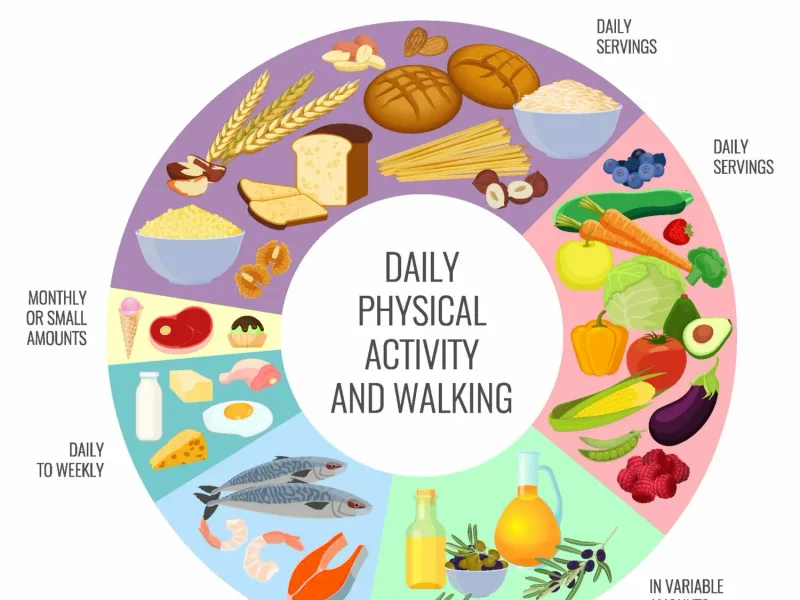
While medical intervention is primary, a healthy lifestyle can support overall well-being during therapy. A balanced diet, adequate rest, and gentle exercise (as advised by your physician) can aid manage fatigue and improve resilience.
Most people overlook this completely.
Think about it this way: your body is undergoing intense therapy, and good nutrition acts like high-quality fuel to enable it recover and rebuild. Always discuss dietary changes with your healthcare team, as specific restrictions may apply depending on your management and condition.
Looking Ahead: Hope and Recovery
The outlook for blood cancer individuals has improved dramatically over the decades. Advances in research, diagnostics, and management protocols, as championed by leading institutions like the All India Institute of Medical Sciences (AIIMS), continue to enhance survival rates and quality of life. For those in Araria, this means that successful care is increasingly accessible.
With the right approach, many individuals can achieve remission and lead fulfilling lives post-care. The dedication of healthcare professionals, coupled with patient resilience, forms a powerful alliance against these diseases.
Frequently Asked Questions
Can I eat rice if I have diabetes?
Rice, particularly white rice, is a high-carbohydrate food that can raise blood sugar levels. Individuals with diabetes should consume rice in moderation and preferably opt for brown rice or other whole grains. Monitoring blood glucose levels after eating rice is also recommended to be aware of its impact on your body.
Here's where it gets interesting.
What are the early signs of blood cancer?
Early signs can be subtle and may include persistent fatigue, unexplained weight loss, frequent infections, bruising easily, and swollen lymph nodes. Other indicators might involve bone pain or fever. It is vital to consult a doctor if you experience any of these persistent symptoms.
Is blood cancer curable?
The curability of blood cancer depends heavily on the specific type, stage at diagnosis, and the patient's overall health. Some types, especially when caught early, can be cured with modern treatments like chemotherapy, stem cell transplants, and targeted therapies.
For others, the focus may be on achieving long-term remission and managing the disease effectively.
How can I support a loved one undergoing blood cancer care?
Emotional support is crucial. Listen actively, offer practical assist with daily tasks, encourage them to attend appointments, and aid them stay connected with friends and family.
Ensure they are following their medical advice and assist with managing care side effects if needed. Your consistent presence and understanding can make a marked difference.
Always consult a qualified physician before making medical decisions.