Understanding Hematological Malignancies in Araria
Hematological malignancies, a group of conditions affecting the blood, bone marrow, and lymph nodes, present distinct challenges for individuals in Araria and across India. These oncological conditions arise when abnormal cellular components proliferate uncontrollably, disrupting the body's normal physiological processes.
Commonly observed conditions include leukemia, lymphoma, and multiple myeloma, each demanding specific diagnostic and therapeutic approaches.
Receiving a diagnosis of such a malignancy presents significant difficulties. The journey involves complex clinical choices, considerable emotional strain, and often substantial logistical hurdles, particularly in areas such as this district where access to highly specialized care might be geographically distant.
Nevertheless, advancements in clinical research and the dedication of healthcare professionals offer renewed hope.
Crucially, the early indicators of these conditions can be subtle and easily mistaken for common ailments. Indicators warranting examination by a healthcare provider include fatigue, persistent infections, unexplained bruising, and unintentional weight loss. Prompt diagnosis is absolutely vital for successful outcomes.
Key Malignancy Types
Leukemia
Leukemia is a malignancy originating in the hemopoietic tissues, which encompass bone marrow and the lymphatic system. Rapid production of abnormal leukocytes characterizes this condition.
Such malfunctioning corpuscles do not operate correctly and crowd out healthy cellular components, leading to anemia, bleeding issues, and heightened susceptibility to infections.
Lymphoma
Lymphoma is a malignancy that begins in the lymphocytes, a type of leukocyte integral to the immune system. These conditions develop in lymph nodes or other lymphatic tissues. With further subtypes and distinct therapeutic approaches, Hodgkin lymphoma and non-Hodgkin lymphoma represent the two primary categories.
That's the part worth remembering.
Multiple Myeloma
This malignancy affects plasma cells, a type of leukocyte found in the bone marrow. These specific cellular components accumulate in the bone marrow and can damage bones, the immune system, and the kidneys. It is a less prevalent but serious form of hematological malignancy.
Diagnostic Approaches in Araria
Accurate diagnosis is the cornerstone of effective therapy for hematological malignancies. Residents of this district can access assessment services that align with national and international standards. Often, the initial step involves consultations with general physicians or local specialists.
Typically, these practitioners will perform:
- Physical Examination: To check for enlarged lymph nodes, spleen, or liver.
- Hematological Analyses: A Complete Blood Count (CBC) evaluates erythrocytes, leukocytes, and platelets. Specific assays may also identify atypical cellular components or biomarkers.
- Bone Marrow Biopsy: A crucial procedure where a small sample of bone marrow is removed (usually from the hip bone) and examined under a microscope. Identification of malignant cellular structures and their characteristics is aided by this.
- Imaging Tests: Such as CT scans, MRI scans, or PET scans, to detect disease dissemination and assess organ involvement.
In essence, the availability of advanced assessment instrumentation may differ, but collaboration between local clinics and larger diagnostic facilities ensures that necessary tests are performed. For definitive diagnosis and therapeutic planning, referral to specialists is a usual practice.
Treatment Options Available
The approach to managing hematological malignancies is highly individualized, depending on the specific malignancy type, its progression, and the individual's general health status. While this district may not host every highly specialized oncological facility, individuals can obtain foundational and often advanced therapies through referrals and regional healthcare institutions.
Here's where it gets interesting.
Worth keeping in mind: therapeutic strategies are in continuous evolution.
Chemotherapy
Chemotherapy remains a cornerstone therapy for numerous hematological malignancies. It employs powerful drugs to eradicate malignant cells. Such agents can be administered orally or intravenously. The specific chemotherapy regimen is tailored to the type and aggressiveness of the oncological issue.
Radiation Therapy
Radiation therapy uses high-energy rays to target and obliterate abnormal cellular structures in a specific area. It might be utilized to treat localized lymphoma or to prepare for a bone marrow transplant.
Targeted Therapy
Targeted therapies are newer drugs that attack specific molecules involved in malignant cell proliferation. They often exhibit reduced adverse effects compared to traditional chemotherapy. These therapies are becoming increasingly vital in managing specific forms of leukemia and lymphoma.
Immunotherapy
Immunotherapy harnesses the individual's inherent immune mechanisms to combat the malignancy. CAR T-cell therapy and checkpoint inhibitors exemplify this revolutionary approach, offering substantial advantages for certain individuals.
This is where most patients struggle.
Stem Cell Transplantation (Bone Marrow Transplant)
This is a complex procedure for particular hematological malignancies. It involves replacing affected bone marrow with healthy stem cells, either from the individual (autologous) or a donor (allogeneic). This approach is usually reserved for individuals facing high-risk or recurrent oncological conditions and requires specialized centers.
Finding Specialists in Araria
Locating the right clinical proficiency is crucial. Although this district possesses dedicated general physicians and may have visiting experts, individuals often need to connect with hematologists and oncologists. These specialists focus specifically on hematological conditions and malignancies.
These specialists may be located via:
- Referrals from your primary care physician.
- Enquiries at local hospitals or nursing homes.
- Connections with more extensive healthcare facilities in nearby cities like Patna or Bhagalpur, which often have dedicated oncology departments.
It is important to recognize that many hospitals are now facilitating remote clinical consultations, which can bridge geographical gaps and provide access to expert opinions without immediate travel.
Support Systems for Individuals
Beyond clinical intervention, emotional and practical support is vital. Support groups for those affected by malignancy offer a space for shared experiences and coping strategies. Families and friends play an indispensable role. Local community organizations and NGOs may offer aid with logistics or financial assistance.
To effectively manage, individuals should: Consult with their healthcare team about available support resources. Do not hesitate to ask for help – it strengthens your ability to cope.
For those experiencing this journey, managing oncological care can feel overwhelming. Remember that many individuals and organizations are dedicated to assisting individuals in this region and beyond. Building a strong support network enhances resilience and fosters a positive outlook.
Most people overlook this completely.
The Role of Lifestyle and Nutrition
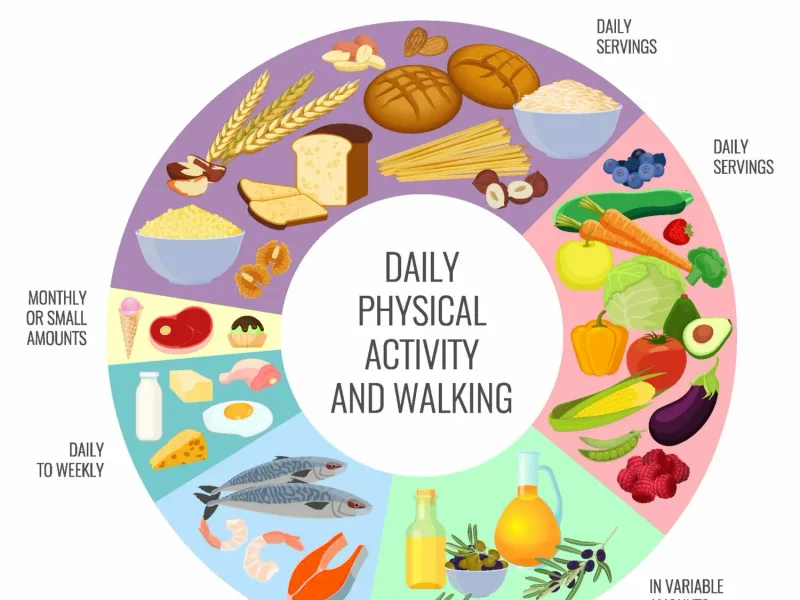
While clinical interventions are paramount, lifestyle factors can support overall well-being during intervention. A balanced diet, rich in fruits, vegetables, and lean proteins, helps maintain strength. Staying hydrated is also essential. Gentle exercise, as sanctioned by one's clinician, can boost energy levels and mood.
Consulting a registered dietitian can provide personalized nutritional guidance. They can benefit address therapeutic adverse effects like nausea or appetite changes. This dietary support is key to maintaining strength throughout therapy.
Hope and Future Outlook
The landscape of management of hematological malignancies is continuously improving. Breakthroughs in research bring new, more reliable, and less toxic therapies each year. For individuals residing in this district, this signifies that more options are becoming available, often through clinical trials or expanded access programs.
Numerous individuals have achieved long-term remission and lead fulfilling lives after care. The dedication of healthcare practitioners, combined with the resilience of those affected and their families, fuels this progress. Early detection and access to appropriate care are the most impactful factors in achieving positive outcomes.
Here's where it gets interesting.
Always consult a qualified physician before making healthcare choices.
Frequently Asked Questions
Can I eat rice if I have leukemia?
Yes, rice can be part of a balanced diet for individuals with leukemia, provided it is prepared hygienically and is well-cooked. Focus on moderation and ensure your overall diet includes a variety of nutrients. Always discuss dietary changes with a physician or a registered dietitian.
What are the initial indicators of hematological malignancy I should watch for?
Key indicators include persistent fatigue, frequent infections, unexplained bruising or bleeding, fever, night sweats, and meaningful weight loss. If you experience any of these signs persistently, promptly consult a healthcare provider.
How can I find a qualified oncologist in proximity to this district?
Start by asking your primary care physician for a referral to a hematologist or oncologist. You can also inquire at larger hospitals in nearby cities like Patna. Telemedicine services are increasingly available, offering consultations with specialists remotely.
Is stem cell transplant available in Araria?
Stem cell transplantation is a highly specialized procedure typically performed at specialized oncological facilities, which may not be situated within this district. Individuals necessitating this approach are usually referred to larger hospitals in cities like Patna or Delhi, equipped for such complex treatments.
Most people overlook this completely.