Understanding Blood Cancer Treatment in Garden Reach
Blood cancer, a serious condition affecting blood cells, requires specialized care. In Garden Reach, accessing advanced medical interventions is becoming increasingly feasible.
This guide explores the management landscape for blood cancers like leukemia, lymphoma, and myeloma, focusing on the options available locally and the expertise you can find.
What is Blood Cancer?
Blood cancers start in the cells that form blood, typically in the bone marrow. This is where blood cells are made. Instead of growing normally, these cells grow out of control and can crowd out normal blood cells. This disruption affects the body's ability to fight infections, carry oxygen, and stop bleeding.
Worth knowing: The three main types are leukemia, lymphoma, and myeloma. Each has distinct characteristics and requires tailored therapy.
Types of Blood Cancer and Their Treatments
Leukemia
Leukemia is a cancer of the blood-forming tissues, including bone marrow and the lymphatic system. It involves abnormal white blood cells. We often see acute (fast-growing) and chronic (slow-growing) forms.
approach Approaches:
- Chemotherapy: This is a cornerstone therapy. It uses powerful drugs to kill cancer cells. These drugs can be given orally or intravenously. The specific chemotherapy regimen depends heavily on the type and stage of leukemia. It is a systemic intervention, meaning it travels throughout the body to reach cancer cells.
- Targeted Therapy: These drugs specifically target certain molecules on cancer cells that help them grow and survive. Targeted therapy is often less harmful to normal cells than traditional chemotherapy. For instance, certain tyrosine kinase inhibitors (TKIs) are very effective against Philadelphia chromosome-positive (Ph+) chronic myeloid leukemia (CML).
- Stem Cell Transplant (Bone Marrow Transplant): This is a vital procedure for certain types of leukemia. It involves replacing diseased bone marrow with healthy stem cells. These healthy cells can come from a donor (allogeneic transplant) or, less commonly, from the patient's own body (autologous transplant). The process is complex and requires extensive preparation and recovery periods. Specialists at leading institutions like AIIMS often perform these intricate procedures.
- Radiation Therapy: Sometimes used to target specific areas or prepare the body for a stem cell transplant.
So what does this mean for you? Understanding the specific type of leukemia is the first step towards an successful therapy plan.
Lymphoma
Lymphoma is a cancer that begins in lymphocytes, a type of white blood cell. These cells are part of the immune system. Lymphoma can affect lymph nodes, the spleen, bone marrow, and other organs.
Key Therapies:
- Chemotherapy: Similar to leukemia, chemotherapy is a primary approach for many lymphomas. Different drug combinations are used depending on the lymphoma type (e.g., Hodgkin lymphoma vs. non-Hodgkin lymphoma).
- Radiation Therapy: Often used for localized lymphoma or in combination with chemotherapy. It uses high-energy rays to kill cancer cells.
- Immunotherapy: This approach uses the body's own immune system to fight cancer. Drugs like rituximab (a monoclonal antibody) have significantly improved outcomes for certain types of non-Hodgkin lymphoma.
- Targeted Therapy: These drugs work by interfering with specific pathways essential for cancer cell growth.
- Stem Cell Transplant: Reserved for aggressive or relapsed lymphomas.
Honestly, the journey with lymphoma can be challenging, but modern therapies offer significant hope.
Myeloma
Multiple myeloma is a cancer that forms in a type of white blood cell called a plasma cell. Plasma cells normally support fight infections. In myeloma, these abnormal plasma cells build up in the bone marrow, crowding out healthy blood cells.
Current Approaches:
- Chemotherapy: Often used in combination with other agents.
- Targeted Therapy: Drugs like proteasome inhibitors (e.g., bortezomib) and immunomodulatory drugs (e.g., thalidomide, lenalidomide) are crucial. These drugs interfere with cancer cell growth and function in unique ways.
- Stem Cell Transplant: High-dose chemotherapy followed by a stem cell transplant is a common and impactful approach for eligible patients.
- Monoclonal Antibodies: Newer therapies targeting specific proteins on myeloma cells are showing great promise.
But why does this happen? Myeloma arises from genetic mutations within plasma cells, though the exact triggers are often unknown.
Finding Expert Care in Garden Reach
Accessing specialized care is crucial for impactful blood cancer care. Garden Reach, being part of the greater Kolkata area, benefits from proximity to several reputable medical facilities and experienced physicians.
It sounds simple. It rarely is.
- Hematologists and Oncologists: These are the specialists who diagnose and treat blood cancers. Look for physicians with extensive experience in managing leukemia, lymphoma, or myeloma. Many leading hospitals in Kolkata have dedicated hematology and oncology departments staffed by highly qualified specialists.
- Multi-disciplinary Teams: The best cancer care often involves a team approach. This includes oncologists, surgeons, radiologists, pathologists, nurses, and support staff working together.
- Clinical Trials: Participating in clinical trials can offer access to cutting-edge therapies. Enquire with your specialist about relevant trials available through institutions like the National Cancer Institute (NCI) or major research hospitals.
- Support Services: Beyond medical intervention, emotional and practical support is vital. Many centers offer counseling, nutritional guidance, and patient support groups.
Practically speaking, consulting with a local physician first can enable navigate the referral process to specialized centers.
The Patient Experience
Living with blood cancer is genuinely hard. Many people affected by these conditions face physical discomfort, emotional distress, and marked lifestyle adjustments. We often see individuals struggling with fatigue, infections, and the side effects of therapy, such as nausea or hair loss.
For instance, a patient undergoing intensive chemotherapy might need to isolate themselves to prevent infections, missing out on family gatherings or daily routines. This requires immense resilience and strong support systems.
Thankfully, advancements in supportive care — like anti-nausea medications and better infection control protocols, as recommended by WHO guidelines — significantly improve the quality of life during management.
What most people miss: The psychological impact is profound. Acknowledging and addressing anxiety and depression is as important as managing physical symptoms. Open communication with your healthcare team can assist manage these challenges effectively.
This is where most those affected struggle.
The journey might feel like navigating a dense fog, similar to finding your way through the narrow lanes of an old Kolkata market. However, with clear guidance from your doctors and unwavering support from loved ones, you can find your path towards recovery and a better quality of life.
Navigating therapy Side Effects
approach side effects can be daunting. Chemotherapy, while impactful, can cause fatigue, nausea, vomiting, hair loss, and an increased risk of infection. Radiation therapy might cause skin irritation or fatigue. Stem cell transplants carry risks of infection and graft-versus-host disease.
- Managing Nausea and Vomiting: Anti-emetic medications are highly proven. Staying hydrated and eating smaller, frequent meals can also benefit.
- Combating Fatigue: Gentle exercise, like walking, and adequate rest are key. Pacing activities is essential.
- Preventing Infections: Strict hygiene, avoiding crowds, and reporting any signs of fever or infection immediately to your doctor are vital protective measures. Following the advice of specialists is paramount.
- Skin Care During Radiation: Use mild soaps and avoid harsh chemicals. Moisturize as recommended by your radiation oncologist.
Honesty with your medical team about any side effects allows them to adjust your care plan promptly and effectively.
The Role of Lifestyle and Nutrition
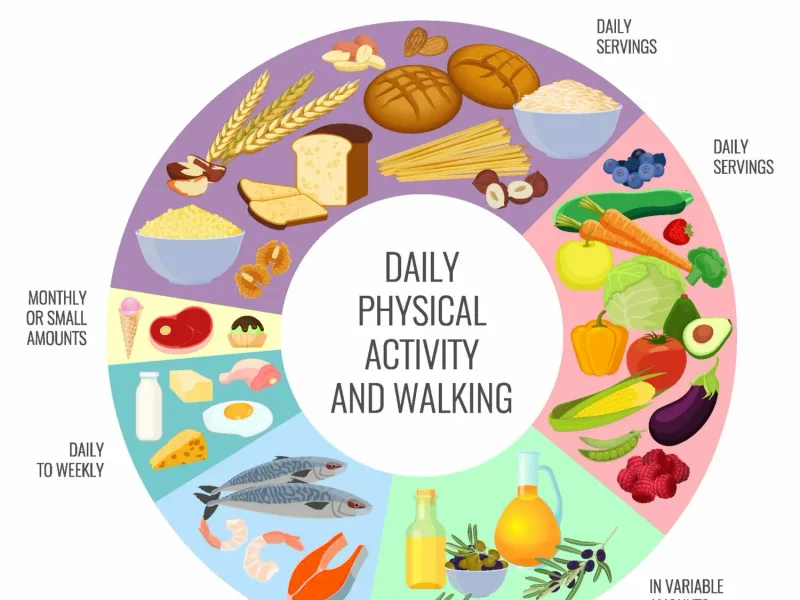
While medical approach is primary, lifestyle factors play a supportive role. Maintaining a balanced diet is crucial for providing the body with the energy and nutrients needed to fight cancer and recover from management. This often involves consulting with a registered dietitian.
Nutritional Guidance:
- Focus on whole foods: fruits, vegetables, lean proteins, and whole grains.
- Stay hydrated: Drink plenty of water throughout the day.
- Limit processed foods, sugary drinks, and excessive unhealthy fats.
- For those undergoing management, high-protein and high-calorie diets may be recommended to combat weight loss and maintain strength.
Regular, gentle exercise, as approved by your physician, can boost energy levels and elevate mood. Practices like mindfulness and meditation can also be beneficial for managing stress.
Looking Ahead: Hope and Recovery
Blood cancer care has advanced significantly. Many individuals now achieve long-term remission and lead full lives. The key is early diagnosis, access to expert care, and a strong support system. If you or a loved one are facing a blood cancer diagnosis in Garden Reach, remember that comprehensive care options are available.
Most people overlook this completely.
The path may be arduous, akin to a long train journey across India, with unexpected stops and changes. Yet, with perseverance and the right medical guidance, the destination of recovery is attainable. Your medical team is your strongest ally on this journey.
Frequently Asked Questions
What are the early signs of blood cancer?
Early signs can be vague and include persistent fatigue, unexplained bruising or bleeding, frequent infections, fever, and swollen lymph nodes. It is crucial to consult a doctor if you experience any persistent or concerning signs.
Can blood cancer be cured?
The possibility of a cure depends heavily on the specific type and stage of blood cancer, as well as the patient's overall health. Many types, especially when diagnosed early, are treatable and can go into remission, with some achieving a cure.
How does diet affect blood cancer care?
A balanced diet supports your body's strength during intervention and aids recovery. While diet alone cannot cure cancer, proper nutrition helps manage side effects, maintain energy levels, and support immune function. Consulting a dietitian is recommended.
The numbers don't lie.
What is the most typical management for leukemia?
Chemotherapy is the most usual management for leukemia, often used in combination with other therapies like targeted therapy or stem cell transplantation, depending on the specific type of leukemia.
Always consult a qualified physician before making medical decisions.