Understanding Blood Cancer Treatment in Katihar
Blood cancer, a group of malignancies affecting the bone marrow and blood cells, presents unique challenges for patients and their families. In Katihar, as across India, accessing advanced and reliable care is paramount for those affected.
We often see a strong desire for local care options, minimizing the need for extensive travel during a difficult time. This guide aims to illuminate the landscape of blood cancer care available right here in Katihar, covering the types of therapies, the specialists involved, and the support systems in place.
Types of Blood Cancers and Their Therapies
Blood cancers are broadly categorized into leukemias, lymphomas, and myelomas. Each requires a distinct therapeutic approach.
Leukemia
Leukemia is a cancer of the blood-forming tissues, including bone marrow and the lymphatic system. It leads to the overproduction of abnormal white blood cells.
Here's the thing — there are several subtypes, such as Acute Lymphoblastic Leukemia (ALL), Chronic Lymphocytic Leukemia (CLL), Acute Myeloid Leukemia (AML), and Chronic Myeloid Leukemia (CML). The choice of therapy depends heavily on the specific type, its aggressiveness, and the patient's overall health.
- Chemotherapy: This remains a cornerstone therapy for most leukemias. It uses powerful drugs to kill cancer cells. Chemotherapy can be administered orally or intravenously.
- Targeted Therapy: These drugs specifically target certain molecules involved in cancer cell growth. For instance, tyrosine kinase inhibitors (TKIs) are crucial for CML intervention.
- Stem Cell Transplant (Bone Marrow Transplant): This is a complex but potentially curative approach. It involves replacing diseased bone marrow with healthy stem cells, either from a donor (allogeneic) or the patient's own (autologous). This is often considered for relapsed or high-risk leukemias.
- Immunotherapy: This approach uses the patient's own immune system to fight cancer. CAR T-cell therapy is an advanced form of immunotherapy.
Lymphoma
Lymphoma is a cancer that originates in lymphocytes, a type of white blood cell, and can occur anywhere in the body. The two main types are Hodgkin lymphoma and non-Hodgkin lymphoma (NHL). NHL is more common and has many subtypes.
The numbers don't lie.
- Chemotherapy: Often used in combination regimens (e.g., R-CHOP for diffuse large B-cell lymphoma).
- Radiation Therapy: Uses high-energy rays to kill cancer cells, often used for localized lymphomas.
- Immunotherapy: Monoclonal antibodies like rituximab are vital in treating certain types of lymphoma.
- Targeted Therapy: Drugs that interfere with specific cancer cell pathways are increasingly used.
- Stem Cell Transplant: Similar to leukemia, this is an option for relapsed or refractory lymphomas.
Myeloma
Multiple myeloma is a cancer of plasma cells, a type of immune cell found in the bone marrow. These abnormal cells can damage bones, the immune system, and the kidneys.
- Chemotherapy: A standard approach, often combined with other treatments.
- Targeted Therapy: Drugs like bortezomib and carfilzomib are key in myeloma care.
- Immunomodulatory Drugs (IMiDs): Thalidomide and its derivatives help regulate the immune system and directly affect cancer cells.
- Stem Cell Transplant: High-dose chemotherapy followed by autologous stem cell rescue is a usual and effective approach for eligible sufferers.
Accessing Blood Cancer Care in Katihar
While Katihar may not host all the highly specialized transplant centers found in major metropolitan areas, it offers access to essential diagnostic services and foundational cancer treatments. The reality is, many sufferers begin their journey here, receiving initial consultations, chemotherapy, and supportive care.
For advanced procedures like stem cell transplants, referrals to larger centers, often in Patna or other cities, are usual. However, the initial and ongoing management of blood cancers can frequently be handled by local oncologists and hematologists.
Specialists You'll Encounter
Navigating cancer care involves working with a team of experts. In Katihar, you will primarily interact with:
- Oncologists: Physicians specializing in the diagnosis and intervention of cancer using chemotherapy, hormonal therapy, and biological therapy.
- Hematologists: Specialists in diseases of the blood, bone marrow, and lymphatic system. Many blood cancer specialists are hematologist-oncologists, bridging both fields.
- Radiation Oncologists: If radiation therapy is part of the plan.
- Support Staff: Including nurses, counselors, and dietitians who provide crucial holistic support.
Diagnostic Facilities
Accurate diagnosis is the first vital step. In Katihar, diagnostic capabilities typically include:
- Blood Tests: Complete Blood Count (CBC), peripheral blood smear analysis.
- Bone Marrow Biopsy and Aspiration: Essential for diagnosing most blood cancers.
- Imaging Scans: CT scans, PET scans, and ultrasounds to assess disease spread.
- Pathology Labs: For detailed analysis of tissue samples.
Here's the thing — access to the most advanced molecular diagnostics might require samples to be sent to specialized labs outside Katihar, but core diagnostic functions are generally available.
The Patient Experience: Hope and Resilience
Living with a blood cancer diagnosis is genuinely hard. Many individuals we've spoken with share stories of initial shock, followed by a determined spirit to fight. A typical experience is the emotional toll care can take, coupled with the physical challenges.
Have you ever wondered why? The uncertainty, the side effects, and the disruption to daily life create a heavy burden. Yet, the support found within the local community and from medical teams often proves to be a powerful source of strength.
And yet, so many people miss it.
For example, one patient in Katihar shared how the local support group, though small, provided immense comfort. They exchanged practical tips on managing chemotherapy side effects and offered each other much-needed emotional encouragement.
This sense of shared struggle and mutual support is invaluable, much like finding familiar faces at the weekly market—a small comfort in a sea of change.
Navigating intervention Challenges and Support Systems
Practically speaking, managing blood cancer therapy involves more than just medical procedures. Financial burdens, transportation logistics, and emotional well-being are key considerations.
- Financial Assistance: Various government schemes (like Ayushman Bharat) and hospital-based support can aid mitigate costs. In many cases, understanding and applying for these requires diligent effort.
- Transportation: For those needing regular travel to hospitals, arranging reliable transport is crucial. Some charitable organizations may offer assistance.
- Counseling and Support Groups: Emotional well-being is vital. Hospitals in Katihar often have counselors, and connecting with patient support networks can provide a vital lifeline.
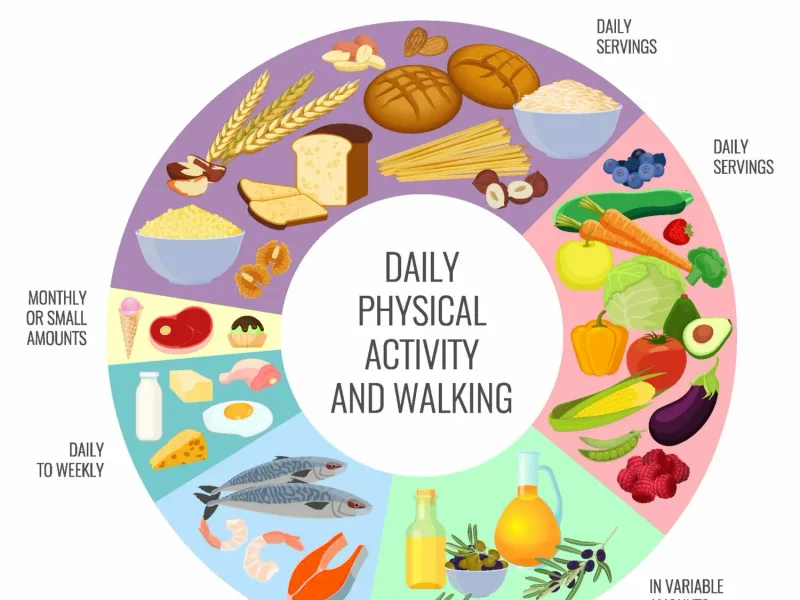
- Nutritional Guidance: A well-balanced diet strengthens the body during approach. Dietitians can provide personalized advice.
The Role of Clinical Guidelines
Physicians in Katihar adhere to established clinical standards for cancer care. While guidelines from institutions like the World Health Organization (WHO) and the National Comprehensive Cancer Network (NCCN) are global benchmarks, local oncologists adapt these based on available resources and patient profiles.
For instance, chemotherapy protocols are generally standardized, ensuring that sufferers receive evidence-based care. AIIMS (All India Institute of Medical Sciences) also provides critical input into national cancer therapy protocols.
When Advanced Care is Needed
If care in Katihar reaches its limits, or if a specific advanced therapy like a stem cell transplant is required, those affected are typically referred to specialized centers. Major hospitals in Patna, Kolkata, or Delhi have dedicated hematology and oncology departments equipped for complex procedures. The transition is managed carefully by the referring physician, ensuring continuity of care.
It sounds simple. It rarely is.
So what does that mean for you? It means that while local care is comprehensive for many stages, the healthcare network is designed to provide access to the highest levels of intervention when necessary.
Conclusion: Empowering Your Health Journey
Blood cancer approach in Katihar is evolving, offering accessible and reliable care for many. While local facilities provide essential services, the broader Indian medical network ensures that advanced options are within reach. Remember, staying informed, actively participating in your care, and seeking support are crucial steps.
Your resilience and the dedication of medical professionals are powerful allies in this journey. We believe in the strength of the human spirit and the power of timely, appropriate medical intervention.
Always consult a qualified physician before making medical decisions.
Frequently Asked Questions
Can I continue my normal diet during blood cancer intervention?
During management, maintaining good nutrition is vital for recovery and managing side effects. While a balanced diet is encouraged, specific restrictions might apply depending on your condition and therapy. Discussing your diet with a doctor or dietitian is essential.
Most people overlook this completely.
How long does blood cancer care typically last?
The duration varies greatly depending on the type of blood cancer, its stage, and the care approach. Some treatments might last for months, while others, like certain targeted therapies or maintenance chemotherapy, could extend over years. Your physician will provide a personalized timeline.
Are there support groups for blood cancer individuals in Katihar?
While formal, large-scale support groups might be less usual than in major cities, local hospitals and clinics can often connect you with smaller patient networks or provide information on available resources. Sometimes, informal gatherings of individuals and families offer significant mutual support.
What are the side effects of chemotherapy for blood cancer?
Chemotherapy affects rapidly dividing cells, leading to side effects like nausea, vomiting, hair loss, fatigue, increased chance of infection, and mouth sores. Modern supportive care significantly helps manage these effects, and your doctor will discuss specific potential side effects and mitigation strategies.