Understanding Blood Stem Cell Rejuvenation
Our bodies are marvels of biological engineering, and at their core lies a remarkable system responsible for creating all our blood cells: the hematopoietic stem cells (HSCs). These powerful cells, residing primarily in the bone marrow, are the originators of red blood cells, white blood cells, and platelets. They possess the unique ability to both self-renew (make more of themselves) and differentiate (become specialized blood cells).
But what happens as we age or face certain illnesses? Their capacity to regenerate and function optimally can diminish, impacting our overall health. This is where the concept of blood stem cell rejuvenation comes into play, offering a promising avenue for restoring vitality and combating disease.
Worth knowing: HSCs are crucial for life. They are the foundation of our immune system and oxygen transport capabilities. When their function declines, we become more susceptible to infections and anaemia.
The Science Behind Hematopoietic Stem Cells
Hematopoiesis is the intricate process by which these stem cells give rise to all mature blood components. Think of it like a bustling factory, with HSCs as the master blueprints and initial workers.
They divide and mature, following a precise biological pathway to produce the diverse array of blood cells needed daily. A healthy adult typically produces billions of new blood cells each day, a testament to the relentless work of HSCs.
But why does this happen? This continuous renewal is vital for replacing old or damaged cells and responding to the body's changing needs. For instance, during an infection, HSCs ramp up production of white blood cells to fight it off. India has a significant burden of blood disorders, with conditions like Thalassemia affecting millions, underscoring the importance of robust hematopoiesis.
As we age, like any biological system, the efficiency of HSCs can wane. This age-related decline, known as immunosenescence, affects not just the quantity but also the quality and regenerative potential of these vital cells. Factors like chronic inflammation, oxidative stress, and genetic changes can further compromise their function.
That alone changes everything.
What is Blood Stem Cell Rejuvenation?
Blood stem cell rejuvenation refers to strategies aimed at restoring or enhancing the function and proliferative capacity of hematopoietic stem cells. It's about revitalizing the body's own blood-forming factory.
This isn't about creating new types of cells but about making the existing HSCs work better, divide more effectively, and produce healthier blood components. This can involve a range of approaches, from lifestyle modifications to advanced medical therapies.
Practically speaking, the goal is to reverse some of the functional decline associated with ageing and disease. It’s about boosting the body’s innate ability to heal and maintain itself.
Methods for Rejuvenating Blood Stem Cells
Several methods are being explored and utilised to achieve blood stem cell rejuvenation. These range from relatively simple lifestyle changes to complex medical interventions.
Lifestyle and Nutritional Approaches
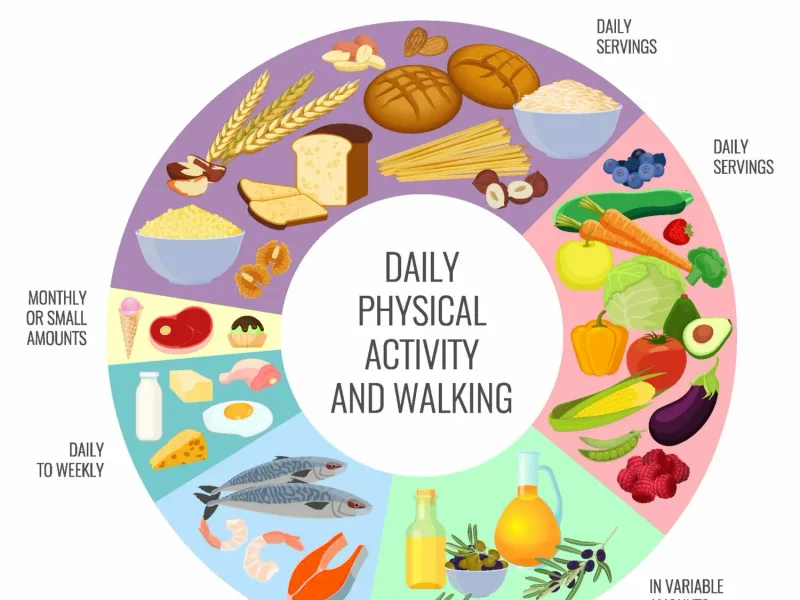
While not direct rejuvenation therapies, certain lifestyle choices can create an environment conducive to healthy stem cell function. A balanced diet rich in antioxidants (found in fruits and vegetables) can help combat oxidative stress, a known inhibitor of stem cell activity.
Regular, moderate exercise is also beneficial, improving circulation and reducing inflammation. Avoiding smoking and excessive alcohol consumption is crucial, as these habits are detrimental to stem cell health.
And yet, so many people miss it.
For example, a diet rich in berries, leafy greens, and lean proteins supports overall health, indirectly aiding HSC function. India's focus on traditional diets, often rich in plant-based foods, can be advantageous if balanced and nutrient-dense.
Pharmacological Interventions
Certain medications can stimulate HSCs. Granulocyte-colony stimulating factor (G-CSF) is a prime example, widely used to increase white blood cell counts, particularly in patients undergoing chemotherapy or bone marrow transplantation.
It works by signalling HSCs to proliferate and mature more rapidly. Research is ongoing into other compounds that might safely and effectively promote HSC function.
Cellular Therapies
The most direct form of stem cell rejuvenation involves cellular therapies. Bone marrow transplantation (also known as hematopoietic stem cell transplantation or HSCT) is a well-established procedure.
Here, diseased or damaged HSCs are replaced with healthy ones, either from a donor or, in some cases, from the patient's own previously collected and treated stem cells.
What most people miss: HSCT is not just for leukaemia; it's increasingly used for a range of autoimmune diseases and blood disorders. The process effectively 'rejuvenates' the blood system by introducing a fresh, healthy population of stem cells.
Other advanced therapies are exploring ways to enhance the function of a patient's own HSCs ex vivo (outside the body) before reinfusing them. This might involve genetic modification or other cellular treatments to boost their regenerative power.
Benefits of Rejuvenated Blood Stem Cells
The implications of successful blood stem cell rejuvenation are profound and far-reaching. By restoring the vitality of HSCs, we can expect considerable improvements in various aspects of health.
- Enhanced Immune Function: Rejuvenated HSCs can produce a more robust and responsive army of white blood cells, strengthening the immune system's ability to fight infections and potentially cancer.
- Improved Blood Counts: For individuals with anaemia or other conditions characterised by low blood cell counts, rejuvenation can lead to normalised levels of red blood cells (improving energy and oxygen transport) and platelets (crucial for clotting).
- Treatment of Blood Disorders: Conditions like sickle cell anaemia, thalassemia, and aplastic anaemia, which stem from faulty or insufficient HSCs, could see more effective management or even cures.
- Combating Age-Related Decline: As we age, our immune system naturally weakens. Rejuvenating HSCs could enable mitigate some of these age-related declines, promoting better healthspan.
- Autoimmune Disease Management: HSCT, a form of stem cell rejuvenation, has shown remarkable success in 'resetting' the immune system for certain autoimmune conditions, like multiple sclerosis and rheumatoid arthritis.
Living with chronic blood disorders or the effects of ageing is genuinely hard. The prospect of revitalising one's own cellular machinery offers immense hope.
Research and Future Directions
The field of stem cell biology is advancing at an incredible pace. Researchers worldwide, including at institutions like the All India Institute of Medical Sciences (AIIMS), are working tirelessly to unlock the full potential of HSCs.
Current research focuses on:
- Identifying specific factors that control HSC aging and rejuvenation.
- Developing safer and more targeted methods for stimulating HSCs.
- Improving the efficiency and accessibility of HSCT.
- Exploring the use of stem cell 'factors' or exosomes (tiny vesicles released by cells) that might carry rejuvenation signals without requiring whole cell transplantation.
India is emerging as a major player in regenerative medicine. Organizations like the Indian Council of Medical Research (ICMR) support research into novel therapies. The potential to treat a wider array of conditions, from genetic blood disorders to degenerative diseases, is immense.
Recovery is rarely linear.
In many cases, the next breakthrough might come from understanding how younger stem cells maintain their vitality. This knowledge could unlock entirely new therapeutic strategies.
Risks and Considerations
While the promise of blood stem cell rejuvenation is considerable, it's vital to approach these therapies with informed caution. Like any medical intervention, there are potential risks and considerations.
- Infection Risk: Procedures like HSCT temporarily weaken the immune system, increasing susceptibility to infections. Strict protocols are in place to mitigate this.
- Graft-versus-Host Disease (GvHD): In allogeneic HSCT (where stem cells come from a donor), the donor cells may attack the recipient's body. Careful donor matching and immunosuppressive therapy support manage this chance.
- Procedure Complexity and Cost: Advanced therapies can be complex, requiring specialised centres and major financial investment.
- Unproven Therapies: The market sometimes sees unproven or unregulated stem cell treatments. It is crucial to seek therapies only from reputable institutions adhering to established clinical standards. The WHO has guidelines on stem cell therapies to ensure safety and efficacy.
So what does that mean for you? It means discussing all potential risks and benefits thoroughly with your healthcare provider before considering any stem cell-related approach.
The Future is Regenerative
The journey of blood stem cell rejuvenation is a testament to human ingenuity and our quest to overcome biological limitations. From understanding the fundamental science of hematopoiesis to developing life-changing therapies like HSCT, we are continually pushing the boundaries of what's possible.
The ability to restore the body's own master cells offers a powerful vision for the future of medicine – a future where we can enhance healing, combat disease, and potentially extend our healthy lifespan.
Think of it like tending to a precious garden. By providing the right nutrients, environment, and care, we enable the roots (our stem cells) to flourish, ensuring the entire plant (our body) remains vibrant and healthy for years to come.
Here's where it gets interesting.
The ongoing research, particularly in India with its growing medical expertise, promises even more exciting developments.
Key Takeaways:
- Blood stem cells (HSCs) are vital for creating all blood and immune cells.
- Ageing and disease can impair HSC function, leading to health issues.
- Rejuvenation strategies aim to restore HSC vitality, offering benefits for immunity and blood disorders.
- Bone marrow transplantation (HSCT) is a proven method for replacing damaged HSCs.
- Ongoing research promises further advancements in regenerative medicine.
Always consult a qualified physician before making medical decisions.
Frequently Asked Questions
Can I eat rice if I have diabetes?
While rice is a staple, its high carbohydrate content can impact blood sugar levels in individuals with diabetes. Opting for brown rice over white rice can be beneficial due to its higher fiber content, which slows sugar absorption.
Portion control is key; consult your doctor or a dietitian for personalized advice on incorporating rice into your diabetic diet plan.
What are the early signs of low blood stem cells?
Early indicators of reduced blood stem cell function often manifest as persistent fatigue (due to low red blood cells/anaemia), frequent infections (due to low white blood cells), and unusual bruising or bleeding (due to low platelets). If you experience these symptoms recurrently, it's crucial to seek medical evaluation.
Is stem cell therapy for blood disorders safe in India?
Stem cell therapies, particularly bone marrow transplantation, performed at reputable centres in India are generally safe and follow international clinical standards. However, like all medical procedures, they carry inherent risks.
It is essential to choose accredited hospitals and experienced specialists who adhere to strict safety protocols and ethical guidelines set by bodies like the ICMR and WHO.
How does lifestyle affect my blood stem cells?
Your lifestyle choices significantly impact blood stem cell health. A diet rich in antioxidants and nutrients supports stem cell function, while chronic inflammation, poor nutrition, smoking, and excessive alcohol can impair their ability to regenerate and function effectively.
And yet, so many people miss it.
Regular moderate exercise and stress management also contribute positively to maintaining a healthy stem cell environment.