Understanding Glycemic Control in Arrah
Maintaining stable glycemic readings is vital for overall health, especially for those managing diabetes or at risk of developing it. Within Arrah, much like other communities, comprehending how daily choices influence your body's energy concentrations represents the initial stride toward enhanced well-being.
It is frequently observed that individuals find it challenging to locate dependable information tailored to their specific local context. Truly, navigating diabetes can often feel quite daunting.
Consider the human body as a precisely engineered machine. The body's circulating energy is its fuel. When these fuel concentrations are either excessively high or too low, the system operates inefficiently. Physicians and specialized practitioners work diligently to assist individuals in achieving a healthy metabolic equilibrium.
Key Factors Influencing Metabolic Readings
Several elements directly affect your circulating energy values:
- Diet: Nutritional intake significantly impacts these readings. Carbohydrates, particularly refined varieties, break down into simple carbohydrates.
- Physical Activity: Engaging in exercise helps the body use insulin more effectively, which in turn lowers circulating energy.
- Medications: Prescribed pharmaceuticals play a critical role in regulating metabolic components.
- Stress: Both emotional and physical strain can elevate energy concentrations in the body.
- Rest: Insufficient repose can disrupt hormonal balance, thereby affecting metabolic regulation.
Dietary Approaches for Local Residents
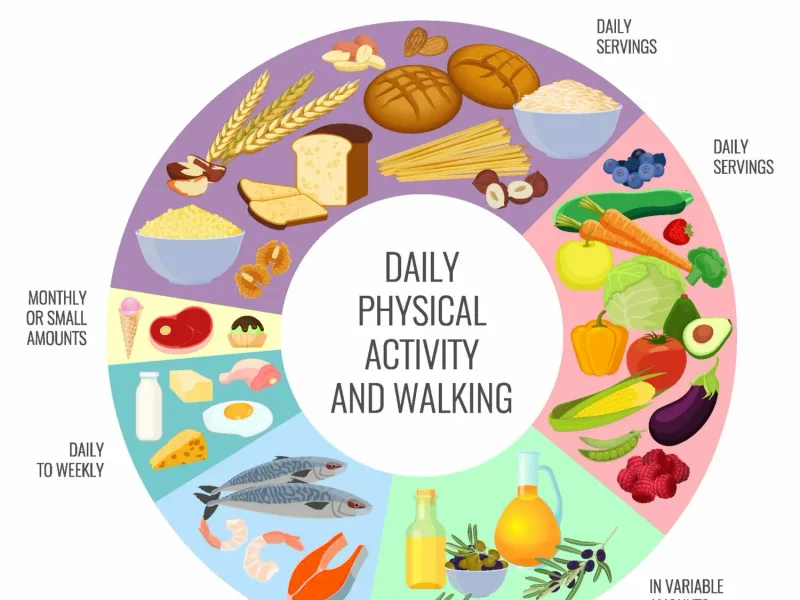
The food consumed daily forms the foundation of metabolic management. Here in this locality, integrating traditional yet health-conscious eating patterns can yield substantial benefits. Prioritize whole grains, such as whole wheat roti and brown rice, over their refined counterparts.
Incorporate an abundance of non-starchy vegetables into your meals. Examples include gourds (lauki, tori), leafy greens (palak, methi), and cruciferous vegetables (gobhi). These are rich in fiber and essential nutrients, which aid in slowing carbohydrate uptake.
Here's where it gets interesting.
Proteins from lean sources like dal, lentils, and fish are also advantageous. It is important to note: Portion control remains paramount. Even nutritious foods can raise circulating energy if consumed in excessive quantities.
Limit the consumption of sweetened beverages, confections, and processed snacks. These items offer minimal nutritional value and can provoke rapid spikes in circulatory energy. Adequate hydration is equally significant; ensure you drink plenty of water throughout the day.
The Role of Physical Activity
Regular exercise is a proven method for enhancing insulin sensitivity. The importance of this cannot be overstated, as it is crucial for preventing complications. Aim for a minimum of 150 minutes of moderate-intensity aerobic activity each week. This regimen could encompass brisk walking, cycling, or swimming.
Consider integrating strength training exercises twice a week. Developing muscle mass assists the body in burning more calories and utilizing energy molecules more efficiently.
Even straightforward activities like gardening or ascending stairs contribute positively. Discover activities you genuinely enjoy – this approach makes adhering to a routine considerably simpler.
Stress Management and Restful Habits
Coping with chronic conditions can be genuinely challenging. Persistent stress can significantly elevate circulating energy concentrations by triggering the release of hormones like cortisol.
Consequently, practicing stress-reduction techniques is indispensable. Methods such as deep breathing exercises, meditation, or yoga can prove highly beneficial.
Ensure you achieve 7-9 hours of quality repose nightly. A consistent rest routine helps regulate the body’s natural rhythms. Poor slumber can impede the body's ability to effectively manage metabolic balance. Does this resonate? Many individuals underestimate the profound impact of adequate rest on their overall health.
That alone changes everything.
Seeking Professional Guidance in Arrah
Consulting with healthcare professionals is paramount. Local physicians and specialists in the area can offer personalized advice. They are equipped to help you devise a customized management strategy based on your unique health requirements and lifestyle.
Regular check-ups and monitoring are essential components. This vigilance allows for timely adjustments to your therapy or approach.
Regular monitoring of energy values, whether conducted at home or through your doctor, provides invaluable insights. Adhering to guidelines from organizations like the World Health Organization (WHO) or the Indian Council of Medical Research (ICMR) ensures you receive evidence-based care.
Remember, managing glycemic status is an ongoing journey, not a singular event. Minor, consistent modifications can lead to substantial improvements in your health and quality of life. Embrace these strategies, and you will be well on your way to a healthier future right here in the locality.
Frequently Asked Questions
Can I eat rice if I have diabetes?
Yes, consuming rice is permissible, but strict portion control is crucial. Opt for brown rice over white rice whenever feasible, as it contains a higher fiber content. Monitor your circulatory readings after eating rice to discern its personal effect on you.
The numbers don't lie.
How often should I monitor my circulating energy?
The frequency of glycemic status checks depends on your individual condition and prescribed treatment plan. Your physician will advise you on the optimal schedule, which may vary from several times daily to a few times weekly.
Are local Indian sweets entirely off-limits for individuals with diabetes?
Not entirely, but moderation is absolutely key. Select sweets made with natural sweeteners like jaggery in very small portions, or opt for sugar-free alternatives. It is always best to discuss specific dietary choices with your healthcare provider.
What are the signs of dangerously low energy values?
Signs of hypoglycemia (low circulating energy) include shakiness, sweating, dizziness, confusion, and a rapid heartbeat. Should you experience these symptoms, consume a fast-acting carbohydrate source immediately and seek medical advice if the warning signs persist.
Always consult a qualified physician before making medical decisions.