Understanding Blood Sugar Control in Lakhisarai
Managing blood sugar levels is vital for everyone, especially those living with diabetes. In Lakhisarai, like elsewhere in India, lifestyle factors play a crucial role.
We often see that understanding the connection between food, activity, and glucose levels empowers people to take charge of their health. Practically speaking, consistent monitoring and informed choices can significantly enhance well-being.
High blood sugar, or hyperglycemia, can lead to serious long-term health issues. These include heart disease, kidney damage, nerve problems (neuropathy), and eye conditions (retinopathy). Conversely, very low blood sugar, or hypoglycemia, can cause dizziness, confusion, and even unconsciousness.
The Key Pillars of Blood Sugar Management
Effective blood sugar control rests on several fundamental pillars. Think about it this way: it's a holistic approach, not a single magic bullet.
1. Balanced Nutrition
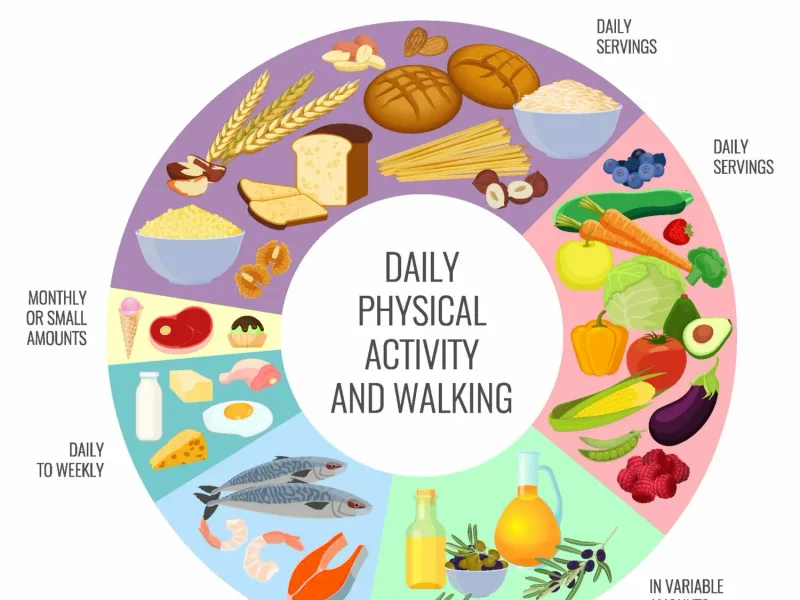
What we eat directly impacts our blood glucose. Carbohydrates, in particular, are broken down into glucose. Choosing the right types and amounts is key.
- Focus on Complex Carbohydrates: Opt for whole grains like oats, brown rice, and whole wheat flour (atta). These release sugar slowly, preventing sharp spikes. Many traditional Indian staples like millets (bajra, jowar) are excellent choices.
- Include Lean Proteins: Lentils (dal), beans, tofu, fish, and lean poultry help stabilize blood sugar and promote satiety. Ensure your daily meals have a good protein source.
- Healthy Fats are Essential: Nuts, seeds, avocados, and olive oil are beneficial. Avoid saturated and trans fats found in fried foods and processed snacks.
- Mindful Portion Sizes: Even healthy foods can raise blood sugar if eaten in excess. Understanding appropriate serving sizes is crucial. A simple visual cue is to fill half your plate with non-starchy vegetables, a quarter with lean protein, and a quarter with complex carbohydrates.
- Limit Sugary Drinks and Processed Foods: Sodas, sweetened teas, packaged juices, biscuits, and sweets cause rapid blood sugar increases. These offer little nutritional value.
Honestly, adapting traditional Indian recipes to be diabetes-friendly is entirely possible. For instance, using less ghee, opting for baked or steamed versions of snacks instead of fried ones, and increasing vegetable content in dishes can make a big difference.
2. Regular Physical Activity
Exercise helps your body use insulin more effectively and lowers blood glucose levels. Have you ever wondered why? It's because muscles use glucose for energy during activity.
- Aim for Consistency: The World Health Organization (WHO) recommends at least 150 minutes of moderate-intensity aerobic activity per week. This could be brisk walking, cycling, or swimming.
- Incorporate Strength Training: Building muscle mass boosts metabolism and improves insulin sensitivity. Include exercises like lifting weights, using resistance bands, or bodyweight exercises (push-ups, squats) twice a week.
- Stay Active Throughout the Day: Small bursts of activity count! Take the stairs instead of the elevator, walk during phone calls, or do light chores.
- Listen to Your Body: Start slowly and gradually increase intensity. Consult your doctor before beginning any new exercise program, especially if you have diabetes-related complications.
For residents of Lakhisarai, incorporating walking through local markets or parks can be an enjoyable way to stay active. Even gardening or playing traditional outdoor games can contribute significantly.
Most people overlook this completely.
3. Consistent Monitoring
Regularly checking your blood glucose levels provides vital information. It helps you understand how diet, exercise, and medication affect your numbers.
- Home Blood Glucose Monitoring (HBGM): Using a glucometer at home allows for real-time feedback. Your doctor will advise on how often and at what times to check.
- recognise Your Target Range: Discuss your personalized target blood glucose range with your physician. This typically varies depending on whether you are checking before a meal or after.
- Keep a Log: Recording your readings, along with notes on food intake and activity, helps identify patterns and informs treatment adjustments.
Is there a better way to appreciate your body's response? This consistent data collection is invaluable for both you and your healthcare provider.
4. Medication Adherence (If Prescribed)
For many, medication is a crucial part of managing diabetes. This includes oral medications or insulin injections.
- Take as Directed: Always follow your doctor's prescription regarding dosage and timing. Never stop or change medication without consulting your physician.
- appreciate Your Medications: Know the name, purpose, and potential side effects of each medicine you take.
- Regular Doctor Visits: Attend all scheduled appointments with your physician. They monitor your progress and adjust your therapy as needed.
Living with a chronic condition like diabetes is genuinely hard. Remember that your prescribed therapy is designed to support your health journey.
Common Challenges and Solutions in Lakhisarai
Access to specialized healthcare and awareness can sometimes be challenges. However, proactive steps can overcome these.
- Dietary Adaptations: While traditional Lakhisarai cuisine is delicious, some dishes might be high in refined carbohydrates or unhealthy fats. Simple substitutions, like using whole wheat flour for rotis or opting for baked snacks, can assist. Reducing sugar in chai and sweets is also vital.
- Physical Activity Barriers: Weather or lack of safe spaces can sometimes hinder exercise. Early morning walks or indoor exercises can be impactful alternatives. Community-based programs, if available, can provide support and motivation.
- Access to Healthcare: Reliable access to specialists and diagnostic facilities is crucial. For those in more remote areas, utilizing telemedicine services or planning regular visits to larger towns like Patna can ensure continuity of care. The Indian Council of Medical Research (ICMR) emphasizes the importance of accessible diagnostics.
- Understanding Glycemic Index (GI): Foods are often discussed in terms of their Glycemic Index (GI) – how quickly they raise blood sugar. Foods with a low GI (like lentils, most vegetables, oats) are generally preferred over high-GI foods (like white bread, sugary cereals).
The Role of Specialists and Institutions
Your primary care physician is your first point of contact. However, depending on your needs, you might also consult with:
- Endocrinologists: Specialists in hormone disorders, including diabetes.
- Dietitians/Nutritionists: To create personalized meal plans.
- Diabetes Educators: To provide comprehensive guidance on self-management.
Institutions like the All India Institute of Medical Sciences (AIIMS) Patna contribute to research and provide advanced care. Staying informed about local health camps and awareness programs organized by the Bihar health department can also be beneficial.
Patient Experiences and Insights
Many people we speak with find that small, consistent changes yield the best results. Mrs. Sharma, a resident of nearby Patna, shared how switching her breakfast from fried parathas to upma made her feel more energetic throughout the day.
Mr. Singh, from a village outside Lakhisarai, found that a daily evening walk with his neighbours not only helped his blood sugar but also improved his mood.
These experiences highlight that integrating healthy habits into daily life, even with local constraints, is achievable. It requires commitment, support, and understanding. Have you ever wondered why small changes feel so impactful? It's often because they build momentum and foster a sense of accomplishment.
Remember, managing blood sugar is a marathon, not a sprint. Celebrate small victories and learn from setbacks. Building a strong support system—whether family, friends, or a diabetes support group—can make a significant difference. The journey to better health is a collaborative effort.
And yet, so many people miss it.
Always consult a qualified physician before making medical decisions.
Frequently Asked Questions
Can I eat rice if I have diabetes?
Yes, you can eat rice, but portion control and the type of rice are crucial. Opt for brown rice or unpolished varieties, which have a lower glycemic index than white rice. Ensure it forms only a quarter of your meal, balanced with protein and vegetables.
How much water should I drink daily for diabetes?
Staying hydrated is important for everyone, including those with diabetes. Aim for at least 8-10 glasses (around 2-2.5 litres) of water per day, unless your doctor advises otherwise due to other health conditions. Water helps your kidneys flush out excess glucose.
Is physical activity safe for everyone with diabetes?
Generally, physical activity is highly recommended for diabetes management. However, it's vital to consult your doctor before starting any new exercise regimen. They can advise on safe activities and precautions, especially if you have complications like neuropathy or retinopathy.
What are the best snacks for blood sugar control?
Choose snacks that are low in carbohydrates and high in protein or fibre. Good options include a small handful of nuts (almonds, walnuts), a piece of fruit (like an apple or guava) with a spoonful of peanut butter, unsalted roasted chana, or plain yogurt. Avoid sugary or fried snacks.
And yet, so many people miss it.