Regulating Internal Sugar Levels in the Pujali Region
Maintaining stable levels of circulating sugar is essential for overall well-being, particularly for individuals living with a metabolic disorder like diabetes or those at risk. In the Pujali area, much like in many parts of India, lifestyle factors and dietary habits significantly influence glycemic regulation.
It is common to observe community members navigating the challenge of balancing traditional diets with contemporary health recommendations. This guide, drawing upon expertise from institutions such as the Indian Council of Medical Research (ICMR), aims to deliver clear, actionable advice for the residents of this region.
The reality is, effective management of one's internal sugar isn't solely about medication; it represents a daily commitment encompassing nutritional choices, physical activity, and regular medical assessments. For individuals residing in the Pujali area, comprehending how local food selections and communal activities impact their glycemic status is paramount.
This article offers valuable perspectives and practical strategies designed to assist in improving one's journey toward better glycemic health.
Dietary Influence on Glycemic Levels
Dietary intake is arguably the bedrock of successful glycemic management. What one consumes directly dictates how the body processes carbohydrates.
In the Pujali region, traditional meals frequently feature rice, lentils, and a variety of vegetables. While these are inherently nutritious, careful portioning and preparation methods are of critical importance.
That alone changes everything.
Selecting Carbohydrate Sources
Carbohydrates are broken down into glucose, which directly impacts internal sugar concentrations. Making informed choices regarding their types and quantities is fundamental.
Whole grains, such as brown rice or whole wheat atta, are generally preferable to refined grains. They contain a higher fiber content, which serves to decelerate the absorption of glucose into the bloodstream.
The fundamental principle here is to prioritize complex carbohydrates over simple sugars. This entails limiting sugary beverages, confections, and processed snack items often found in local markets. A substantial improvement in health outcomes can be achieved by reducing the consumption of these particular items.
Managing Portion Sizes
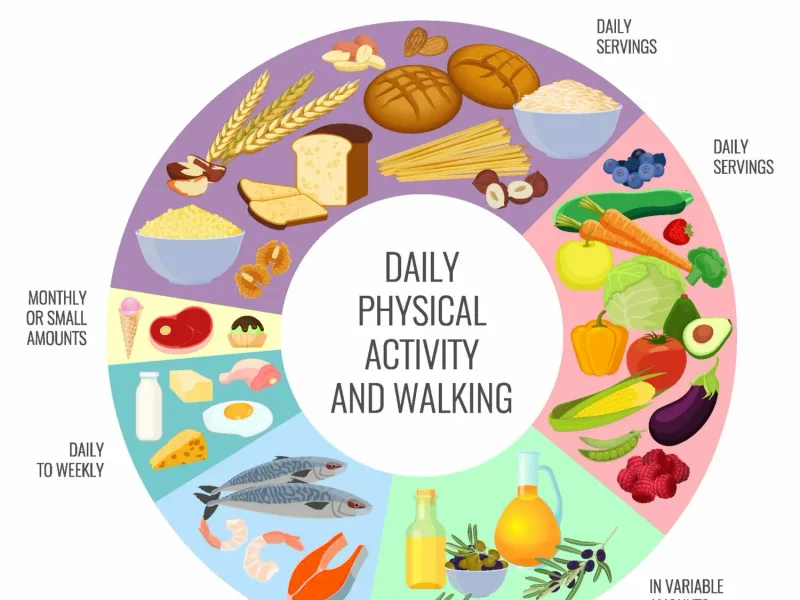
Even health-promoting foods can elevate internal sugar if consumed in excessive quantities. Acquiring the skill of estimating appropriate portion sizes is vital. A straightforward recommendation suggests filling half of one's plate with non-starchy vegetables, a quarter with lean protein, and the remaining quarter with complex carbohydrates.
Consider a typical thali from the Pujali area. While diverse, ensuring the rice portion remains moderate and is balanced with ample vegetables and dal (lentils) can be highly beneficial. This approach can be likened to managing personal finances; a balanced budget is necessary, and one's plate follows a similar principle.
It sounds simple. It rarely is.
Fiber-Rich Dietary Components
Fiber acts as a powerful ally in the regulation of internal sugar. It assists in slowing digestive processes and preventing rapid surges in circulating glucose. Incorporating abundant vegetables, fruits, legumes (dal), and whole grains into one's regular dietary pattern is highly recommended.
Frequently, increasing fiber consumption represents a simple yet impactful strategy. Locally sourced vegetables like lauki (bottle gourd), tori (ridge gourd), and various leafy greens offer excellent sources. These items are readily available and typically affordable for residents in the Pujali area.
Beneficial Fats and Protein Sources
Lean protein sources and healthy fats contribute to satiety and can moderate the body's glycemic response. Excellent examples include fish, poultry, lentils, beans, nuts, and seeds. It is advisable to steer clear of excessive saturated and trans fats commonly found in fried foods.
Restricting deep-fried snacks, which are often a culinary temptation, constitutes a crucial measure. Opting for baked, steamed, or grilled preparation methods instead can considerably enhance an individual's health trajectory. Are there superior alternatives to relying on fried snacks? Unequivocally, yes.
This is where most patients struggle.
The Significance of Physical Movement
Consistent physical activity is as essential as dietary adjustments for managing internal sugar levels. Exercise enhances the body's sensitivity to insulin, thereby enabling cells to use circulating glucose more efficiently. It also supports weight management, which is a critical element in both preventing and addressing type 2 diabetes.
Recommended Activities
Individuals should aim for a minimum of 150 minutes of moderate-intensity aerobic exercise per week. This could encompass activities such as brisk walking, cycling, or swimming. In the Pujali region, a vigorous stroll along the Ganges canal or through local parks offers both enjoyment and health benefits.
Strength training, involving activities like lifting weights or utilizing resistance bands, is also important. It facilitates the development of muscle mass, which further assists in the uptake of glucose. Performing these exercises two to three times weekly represents a commendable objective.
The Imperative of Consistency
The most reliable approach hinges upon regularity. Integrating physical activity into one's daily schedule, similar to a morning ritual, transforms it into a sustainable habit. Even brief periods of movement interspersed throughout the day can yield positive outcomes.
And yet, so many people miss it.
Living with a chronic health condition, such as diabetes, presents genuine difficulties. Discovering an enjoyable activity significantly increases the likelihood of adherence. Perhaps engaging in a friendly game of cricket with neighbors or tending to a garden could be suitable options.
Medical Oversight and Monitoring
While lifestyle modifications are paramount, professional medical guidance and regular health monitoring are indispensable. This ensures that an individual's internal sugar levels remain within a healthy range and aids in the early detection of any potential complications.
Routine Health Assessments
Regularly consult with a physician or a local specialist. For those in the Pujali area, connecting with primary healthcare centers or nearby hospitals, such as those affiliated with AIIMS (if accessible) or reputable local clinics, is advisable.
These assessments typically involve laboratory analyses, including HbA1c, which provides an average measure of circulating sugar over the preceding 2-3 months.
What is the key takeaway here? Proactive engagement with healthcare providers strengthens one's strategy for managing their health. It permits timely adjustments to therapeutic plans or lifestyle recommendations.
That's the part worth remembering.
Monitoring Glycemic Concentrations
Self-monitoring of circulating glucose (SMBG) using a glucometer empowers individuals to understand how various foods, activities, and medications influence their levels. The World Health Organization (WHO) advocates for SMBG as an proven component of managing diabetes.
Regularly checking one's internal sugar concentrations at home offers immediate feedback. This data proves invaluable during discussions with a physician regarding progress. It helps in customizing the treatment approach specifically for the individual.
Understanding Elevated Blood Pressure
Hypertension, or high blood pressure, frequently coexists with diabetes. Both conditions heighten the possibility of cardiac disease and stroke.
Consequently, managing blood pressure constitutes a critical aspect of comprehensive care for individuals with diabetes. In practical terms, addressing both conditions substantially diminishes long-term health risks.
Monitor blood pressure regularly as advised by a medical professional. Lifestyle adjustments, including diet and exercise, also play a significant role in mitigating hypertension.
typical Challenges and Prevention Strategies
Many individuals encounter obstacles during their journey to regulate internal sugar. Awareness of these challenges and proactive strategies can facilitate their successful navigation.
Disregarding Symptoms
Never overlook warning signs. Persistent thirst, frequent urination, unexplained weight reduction, and persistent fatigue are indicators that circulating sugar levels may be excessively high. Should these indicators arise, prompt consultation with a physician is imperative.
Here's where it gets interesting.
Early detection and intervention consistently yield the best outcomes. These signs serve as the body's mechanism for signaling that attention is required.
Inconsistent Practices
Irregular meal schedules, sporadic physical activity, and missed medications can lead to erratic fluctuations in circulating sugar. Adhering to a structured routine provides crucial stability.
Consider this akin to nurturing a garden; consistent watering and care produce the most favorable results. Similarly, a disciplined approach to one's health regimen enhances its efficacy.
Societal and Cultural Influences
Social gatherings and festivals in the Pujali region often center around food. Maintaining dietary discipline during these occasions can be demanding. Advanced planning serves as the most powerful strategy.
Bring a health-conscious dish to share, or select more nutritious options from those available. When feasible, communicate dietary requirements to hosts. Remember, personal health remains the foremost priority.
Empowering Health Management in Pujali
reliable regulation of internal sugar is an achievable goal through appropriate knowledge and consistent effort. By making informed dietary selections, remaining physically active, and collaborating closely with healthcare providers, individuals can significantly enhance their quality of life.
Embrace this health journey with an optimistic outlook. Small, consistent actions accumulate into substantial improvements over time. The commitment demonstrated today builds a healthier tomorrow for you and your loved ones in the Pujali area.
It sounds simple. It rarely is.
Frequently Asked Questions
Is rice permissible for individuals with diabetes?
Yes, rice can be consumed, but managing portion sizes is vital. Prioritize brown rice or whole grain varieties when possible, as they possess a higher fiber content. Discuss suitable portion sizes with your physician or a registered dietitian to ensure it aligns with your personalized meal strategy.
What is the recommended frequency for checking internal sugar levels?
The frequency of monitoring circulating sugar depends on an individual's specific issue and therapeutic plan. Your physician will provide guidance on how often to perform checks, which could vary from several times daily to a few times weekly. Always adhere to your doctor's recommendations.
Which exercises are most beneficial for regulating internal sugar?
A combination of aerobic exercises (such as brisk walking, cycling) and strength training proves most reliable. Aim for at least 150 minutes of moderate-intensity aerobic activity each week, supplemented by strength training 2-3 times per week. Regularity is the most critical factor.
Can lifestyle modifications alone manage diabetes?
For some individuals with prediabetes or early-stage type 2 diabetes, substantial lifestyle changes may aid in managing or even reversing the disorder. However, for many, particularly those with type 1 diabetes or advanced type 2 diabetes, medication is frequently necessary in conjunction with lifestyle adjustments.
That's the part worth remembering.
Always consult your doctor for a tailored health plan.