Revitalise Your Life: Nutrient-Rich Foods for India's Pace
Meena, 45, a homemaker from Jaipur, battled persistent tiredness that hampered her daily tasks. Preparing meals, managing her home, and even playing with her grandchildren felt like immense efforts. She frequently felt depleted by mid-afternoon, reaching for sugary treats that provided a brief lift but ultimately left her feeling worse.
Many overlook that this widespread weariness isn't solely due to inadequate rest; it's frequently deeply tied to dietary habits. In a nation as dynamic and demanding as India, maintaining optimal vitality is essential for productivity and overall well-being. Millions struggle with insufficient vigour, impacting their work, family life, and personal health.
Over 101 million Indians live with diabetes (ICMR, 2023), a condition frequently connected to vitality regulation problems. Low vitality can also signal other underlying health issues, such as anaemia or thyroid irregularities. Consider it this way: your body is a complex machine, and food is its propellant.
If you use subpar or insufficient propellant, you cannot expect top performance. This guide explores foods that deliver substantial vitality to help you overcome those vitality challenges, customised for the Indian palate and way of life.
That's the part worth remembering.
The Science Behind Vitality: Macronutrients and Metabolism
Vitality in our diet stems primarily from three macronutrients: carbohydrates, proteins, and fats. Carbohydrates serve as the body's primary choice for immediate vitality. They break down into glucose, which cells then use as fuel.
Complex carbohydrates, found in unrefined grains, legumes, and vegetables, offer a steady vitality release, unlike simple sugars that cause sharp peaks and subsequent drops. Proteins are crucial for tissue construction and mending, but they can also contribute to vitality if needed. Fats are the most calorically dense macronutrient and provide a prolonged vitality supply, vital for endurance and cognitive function.
Metabolism is the intricate process by which your body transforms food into vitality. Factors such as age, muscle mass, activity level, and hormonal equilibrium influence your metabolic rate. When your metabolism is slow, you might feel perpetually weary, even with sufficient food intake.
Why does this occur? It's often a blend of insufficient nutrient consumption, sedentary routines, and occasionally, hormonal imbalances. The World Health Organization (WHO) stresses that a balanced diet is fundamental for maintaining sound metabolic function and vitality generation.
It sounds simple. It rarely is.
Carbohydrates: The Immediate Vitality Source
For sustained vitality, concentrate on complex carbohydrates. These are present in foods such as:
- Unrefined Grains: Roti made from unrefined wheat (atta), brown rice, oats, jowar, bajra, and ragi are excellent origins. These grains are rich in fibre, which moderates glucose absorption, preventing vitality slumps.
- Legumes and Pulses: Dal, chana, rajma, and moong supply not only complex carbs but also protein and fibre, rendering them a vitality powerhouse. A straightforward dal-chawal meal, when prepared with unrefined grains, can be incredibly fortifying.
- Starchy Vegetables: Sweet potatoes, potatoes, and yams provide vitality-releasing carbohydrates. However, moderation is key, particularly for individuals managing blood sugar levels.
What should you do? Include at least one portion of unrefined grains with each meal. Substitute white bread with unrefined wheat varieties and white rice with brown rice or millets whenever feasible. Understanding portion dimensions is also critical; excessive intake, even of beneficial carbs, can lead to vitality dips.
Proteins: Structural Components and Enduring Vitality
Proteins are vital for muscle recuperation and development, but they also contribute to vitality provision. Incorporating adequate protein into your diet helps you feel satisfied for longer and prevents vitality drops between meals. Excellent Indian origins include:
- Lentils and Legumes: As noted, dals and beans are protein powerhouses.
- Dairy Products: Dahi (yogurt), paneer, and milk offer high-quality protein. Dahi is particularly advantageous due to its probiotic content, supporting digestion and nutrient uptake.
- Nuts and Seeds: Almonds, walnuts, pumpkin seeds, and sunflower seeds are good origins of protein and beneficial fats. A small handful can be a great vitality-boosting snack.
- Eggs and Lean Meats: For non-vegetarians, eggs, chicken, and fish are excellent protein origins.
Practically speaking, aim to include a protein source with every meal. A breakfast of poha can be enhanced with a side of sprouts or peanuts. Lunch might feature a hearty dal alongside your roti and sabzi. Even a simple evening snack could be a portion of roasted chana instead of fried savouries.
Beneficial Fats: Long-Term Propellant
Fats are indispensable for hormone synthesis, nutrient absorption, and providing enduring vitality. The secret is to select beneficial unsaturated fats over saturated and trans fats. Indian culinary traditions frequently incorporate beneficial fats:
That's the part worth remembering.
- Ghee: In moderation, pure ghee is a source of beneficial fats and aids in nutrient absorption.
- Mustard Oil and Groundnut Oil: These are commonly used cooking oils rich in monounsaturated and polyunsaturated fats.
- Nuts and Seeds: As previously mentioned, they are rich in beneficial fats.
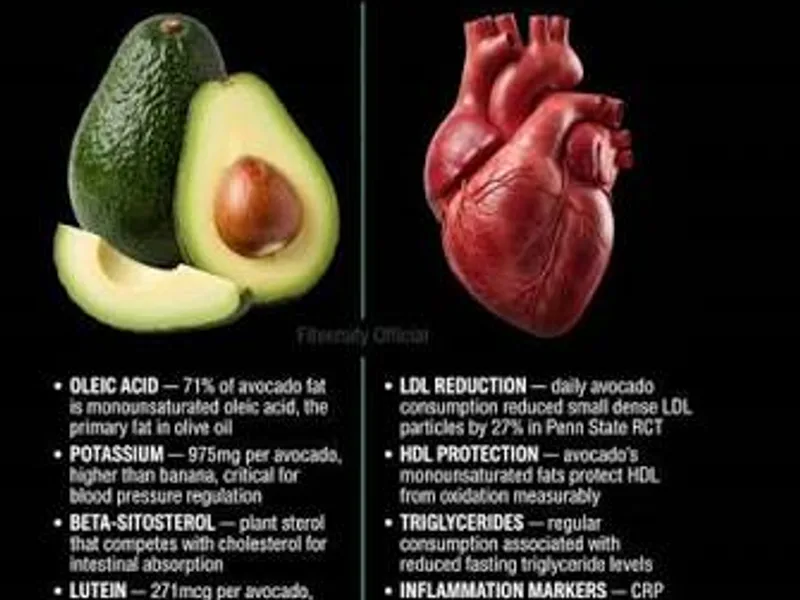
- Avocado: While not traditional, it's increasingly accessible and a superb origin of beneficial fats.
Consider it this way: fats are akin to the slow-burning logs on a fire, providing consistent warmth and vitality over an extended period, whereas carbohydrates are the quick kindling. The International Diabetes Federation (IDF) highlights the role of beneficial fats in managing metabolic health and preventing vitality-related complications.
Top Vitality-Infusing Foods for Your Daily Indian Diet
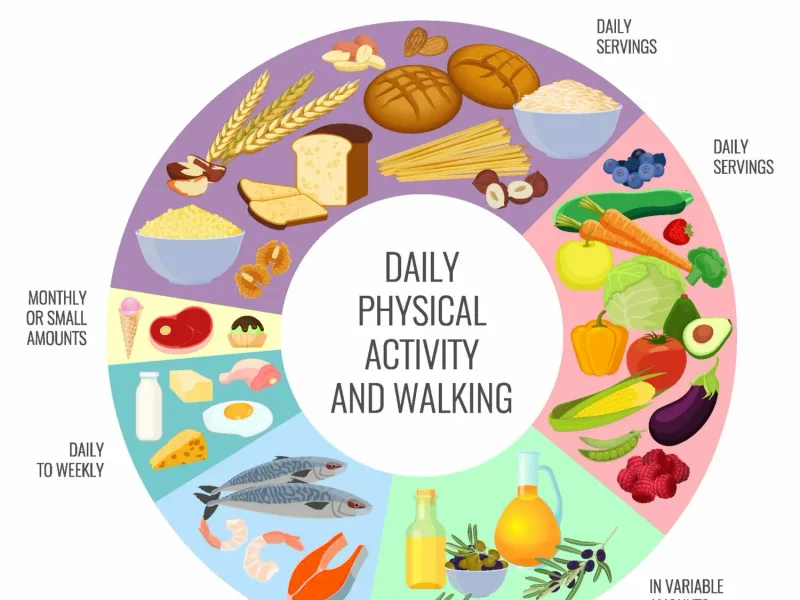
Integrating these foods into your regular meals can bring about a significant change. Remember, consistency is key. Eating well during festivals, which frequently involve rich, calorically dense foods, demands a mindful approach. Don't entirely deny yourself, but balance indulgences with nutrient-rich choices throughout the day.
Bananas: Nature's Vitality Bar
Bananas are a fantastic origin of readily accessible carbohydrates and potassium. Potassium is vital for muscle function and nerve signalling, both crucial for vitality generation.
They are portable, easy to consume, and an ideal pre- or post-workout snack. A single medium banana provides approximately 105 calories and is packed with essential nutrients.
Sweet Potatoes (Shakarkandi): Complex Carbohydrate Powerhouse
Sweet potatoes offer slow-release vitality due to their complex carbohydrate and fibre content. They also supply Vitamin A, essential for immune function. Roasted or boiled shakarkandi makes for a nourishing and satisfying snack, frequently enjoyed during cooler Indian months.
Oats: The Sustained Vitality Staple
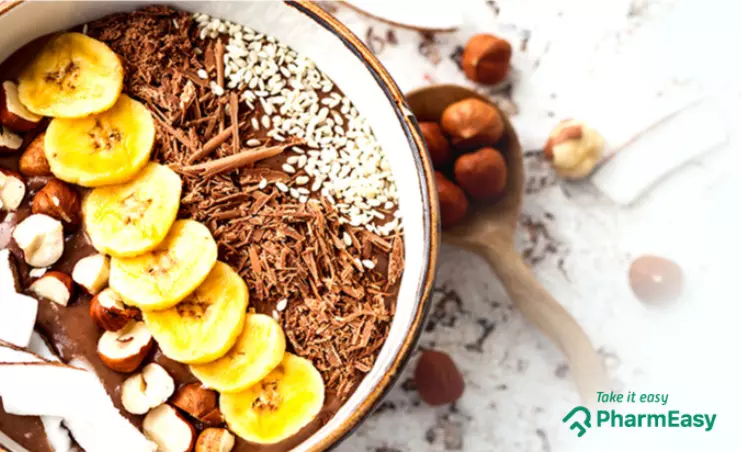
Oats are a brilliant origin of soluble fibre, which aids digestion and provides a steady vitality release. A bowl of oatmeal, perhaps with some nuts and fruits, can keep you invigorated for hours.
Studies published in The Lancet have frequently highlighted the benefits of unrefined grains like oats for cardiovascular health and sustained vitality levels.
Nuts and Seeds: Nutrient-Dense Vitality Boosters
Almonds, walnuts, chia seeds, and flaxseeds are packed with beneficial fats, protein, and fibre. They are calorically dense, so a small portion goes a long way. Keep a small container of mixed nuts handy for a quick vitality infusion when you feel that afternoon slump approaching.
The numbers don't lie.
Eggs: Complete Protein and Essential Nutrients
Eggs are a complete protein origin, containing all essential amino acids. They also supply vitamins like B12, crucial for vitality metabolism, and choline, important for brain health. Boiled, scrambled, or as an omelette, eggs are a versatile vitality-boosting food.
Yogurt (Dahi): Probiotics and Protein
Plain yogurt is a great origin of protein and calcium. Its probiotic content can improve gut health, which is indirectly linked to vitality levels as nutrient absorption is enhanced. Adding fruits or a sprinkle of seeds can transform it into a more substantial meal or snack.
Unrefined Grains (Millets, Brown Rice, Unrefined Wheat): The Foundation
As discussed, unrefined grains form the bedrock of sustained vitality. Incorporating millets like ragi, jowar, and bajra into your diet provides complex carbohydrates, fibre, and essential micronutrients. These ancient grains are well-suited to the Indian climate and agricultural practices.
Lifestyle Factors Influencing Vitality Levels
While food is paramount, other lifestyle elements significantly impact your vitality. Many individuals overlook the importance of adequate sleep, regular physical activity, and stress management.
The truth is, a perfect diet cannot compensate for chronic sleep deprivation or a completely inactive lifestyle. Even prolonged sitting on the floor, common in many Indian homes, can sometimes lead to stiffness and reduced circulation, indirectly affecting vitality.
Recovery is rarely linear.
Sleep: The Ultimate Vitality Recharge
Aim for 7-9 hours of quality sleep nightly. Poor sleep quality can disrupt hormone regulation, leading to increased fatigue and cravings for high-sugar foods. Establishing a consistent sleep schedule is vital.
Hydration: Don't Underestimate Water
Dehydration is a frequent, yet often overlooked, cause of fatigue. Ensure you are consuming sufficient water throughout the day.
Symptoms of dehydration can include headaches, dizziness, and a noticeable decline in vitality levels. Aim for at least 8 glasses (approximately 2 litres) of water daily, more if you are physically active or in a hot climate.
Physical Activity: Boost Your Metabolism
Regular exercise, even moderate activity like a brisk walk, improves circulation, elevates metabolism, and enhances your body's capacity to use vitality efficiently. It might seem counterintuitive to exercise when you feel weary, but it frequently provides a vitality boost.
Stress Management: The Mental Vitality Drain
Chronic stress can severely impact your vitality levels. Practising mindfulness, meditation, or engaging in hobbies can aid in managing stress. What should you do? Find beneficial ways to cope with daily pressures.
Recovery is rarely linear.
When to Seek Professional Assistance
While dietary adjustments and lifestyle modifications can significantly enhance vitality levels, persistent or severe fatigue warrants medical attention. If you experience unexplained exhaustion, accompanied by signs like unexplained weight loss, shortness of breath, or mood changes, it is crucial to consult a doctor.
Conditions such as anaemia, thyroid disorders, heart disease, and even certain infections can present as chronic fatigue. AIIMS (All India Institute of Medical Sciences) and other leading medical centres strongly recommend seeking professional diagnosis for ongoing health concerns.
Key Takeaways:
- Focus on complex carbohydrates from unrefined grains, legumes, and starchy vegetables for sustained vitality.
- Include adequate protein from origins like dals, dairy, nuts, and seeds with every meal.
- Incorporate beneficial fats from ghee, nuts, and seeds for enduring propellant.
- Prioritise 7-9 hours of quality sleep, maintain hydration, and engage in regular physical activity.
- Persistent fatigue could signal an underlying medical issue requiring professional evaluation.
Always consult a qualified physician before making any health decisions.