Understanding Brain Stroke and the Need for Specialist Care
A brain stroke, often referred to as a brain attack, is a medical emergency that occurs when blood supply to a part of the brain is interrupted or reduced. This deprivation deprives brain tissue of oxygen and nutrients, causing brain cells to die within minutes. Prompt recognition and immediate medical intervention are absolutely vital for survival and minimizing long-term disability.
8 million new cases annually (ICMR, 2020). The burden is substantial, making access to specialized medical professionals like neurologists and stroke specialists in areas like Saraikela Kharsawan critically important.
Think about it this way: your brain is the command center for everything you do, from breathing and thinking to moving and feeling. When blood flow is blocked or a vessel bursts, this command center goes offline, leading to devastating consequences.
Recognizing the signs and knowing where to find expert help can be the difference between life and a life altered forever.
Signs and Symptoms of a Stroke: Act Fast
Sudden onset of stroke signs demands immediate action. Do not delay seeking medical enable. The acronym F.A.S.T. is a crucial tool for recognizing the most common indicators:
- F - Face Drooping: Does one side of the face droop or feel numb? Ask the person to smile. Is their smile uneven?
- A - Arm Weakness: Is one arm weak or numb? Ask the person to raise both arms. Does one arm drift downward?
- S - Speech Difficulty: Is speech slurred? Is the person unable to speak or hard to understand? Ask the person to repeat a simple sentence.
- T - Time to call Emergency Services: If you observe any of these signs, even if they go away, call for emergency medical enable immediately. Note the time when the first warning signs appeared.
Other potential indicators include sudden confusion, trouble seeing in one or both eyes, difficulty walking, dizziness, loss of balance, or severe headache with no known cause. In many cases, stroke signs can be subtle, which is why awareness and rapid response are paramount. Over 30% of stroke survivors experience long-term disabilities (WHO).
And yet, so many people miss it.
Types of Stroke and Their Implications
Understanding the different types of strokes helps in appreciating the complexity of diagnosis and treatment. Physicians typically classify strokes into two main categories:
Ischemic Stroke
This is the most usual type, accounting for about 87% of all strokes. An ischemic stroke occurs when a blood vessel supplying the brain becomes blocked, usually by a blood clot. This blockage can happen in two ways:
- Thrombotic Stroke: A blood clot forms in an artery that supplies blood to the brain.
- Embolic Stroke: A blood clot or other debris forms elsewhere in the body (often the heart) and travels to the brain, lodging in a blood vessel there.
In real-world terms, this blockage starves brain cells of oxygenated blood. approach focuses on restoring blood flow as quickly as possible, often using clot-busting medications or mechanical clot removal.
Hemorrhagic Stroke
Less typical but often more severe, a hemorrhagic stroke happens when a blood vessel in the brain ruptes, causing bleeding into the surrounding brain tissue. This bleeding increases pressure within the skull and damages brain cells. widespread causes include high blood pressure (hypertension) and brain aneurysms.
The key to managing this type of stroke often involves controlling bleeding and reducing pressure on the brain. This approach requires immediate surgical or interventional radiology expertise.
A third, less typical type is a transient ischemic attack (TIA), often called a “mini-stroke.” TIAs produce stroke-like manifestations that last only a few minutes and then disappear without lasting damage. However, TIAs are strong warning signs of a future stroke, and medical evaluation is crucial. About 15% of all strokes are preceded by a TIA (AHA).
Recovery is rarely linear.
The Crucial Role of a Brain Stroke Doctor (Neurologist)
When a stroke is suspected, the immediate goal is to get the affected person to a hospital with the capability to manage stroke emergencies. This is where the expertise of a brain stroke doctor, typically a neurologist or a stroke specialist, becomes indispensable.
These physicians are highly trained in diagnosing and treating conditions affecting the brain, spinal cord, and nerves.
What does a neurologist do during a stroke emergency?
- Rapid Assessment: They quickly evaluate the patient's neurological function using specialized tests to determine the extent and location of brain damage.
- Diagnostic Imaging: Advanced imaging techniques like CT scans (Computed Tomography) and MRI scans (Magnetic Resonance Imaging) are vital. CT scans are often the first step to differentiate between ischemic and hemorrhagic strokes, which is critical for guiding therapy. MRI provides more detailed images of brain tissue.
- approach Decisions: Based on the type of stroke, the time since symptom onset, and the patient's overall health, the neurologist decides on the most appropriate therapy. For ischemic strokes, this might involve administering tissue plasminogen activator (tPA), a powerful clot-busting drug, if the patient meets specific criteria and is within the intervention window (typically 4.5 hours from symptom onset). In some cases, mechanical thrombectomy—a procedure to physically remove the clot—may be performed by interventional neurologists or neurosurgeons.
- Preventative Strategies: After the acute phase, the neurologist works on preventing future strokes. This involves managing risk factors like high blood pressure, diabetes, high cholesterol, and heart conditions.
The expertise of these specialists ensures that the most advanced and evidence-based treatments are employed. For instance, guidelines from the American Heart Association (AHA) and American Stroke Association (ASA) emphasize the importance of time-sensitive interventions.
Finding a Stroke Specialist in Saraikela Kharsawan
Locating a qualified brain stroke doctor in Saraikela Kharsawan is essential for timely and effective care. While Saraikela Kharsawan is developing, access to specialized neurological care is a growing priority. Patients and their families should consider the following when seeking a specialist:
- Hospital Affiliation: Look for neurologists affiliated with reputable hospitals that have stroke care facilities, including CT/MRI scanners and emergency departments equipped to handle stroke individuals. Hospitals like those associated with major medical institutions often have dedicated stroke units.
- Specialization: While general neurologists can manage strokes, those with a specific focus or fellowship training in cerebrovascular diseases (diseases of the brain's blood vessels) or neurocritical care may offer even more specialized expertise.
- Experience and Reputation: Inquire about the doctor's experience in treating stroke sufferers and their success rates. Patient testimonials and referrals from primary care physicians can be valuable.
- Accessibility: Consider the proximity of the doctor's clinic or hospital to your residence, especially given the time-sensitive nature of stroke management.
We often see those affected who have traveled from smaller towns to larger medical centers for specialized stroke care. However, with the ongoing development of healthcare infrastructure, more local options are becoming available.
Here's where it gets interesting.
It's always best to check with local healthcare providers or use reliable online medical directories to find specialists in your area.
likelihood Factors and Prevention: Empowering Your Health
Preventing a stroke is as vital as knowing how to respond to one. Many stroke likelihood factors are modifiable, meaning lifestyle changes can significantly reduce your chances of experiencing a stroke.
India faces a dual burden of non-communicable diseases, with stroke prevalence rising alongside conditions like diabetes and hypertension. According to the National Institute of Nutrition (NIN), India, uncontrolled hypertension is a leading danger factor for stroke.
Key danger factors include:
- High Blood Pressure (Hypertension): This is the single most significant likelihood factor for stroke. Regular monitoring and management are crucial. India has a high prevalence of hypertension, affecting nearly 1 in 4 adults (ICMR).
- Diabetes Mellitus: High blood sugar levels can damage blood vessels over time. Proper diabetes management is vital. Over 77 million people in India have diabetes (IDF, 2023).
- High Cholesterol: Elevated levels of LDL ('bad') cholesterol contribute to plaque buildup in arteries.
- Heart Disease: Conditions like atrial fibrillation (an irregular heartbeat) can lead to clot formation, increasing stroke likelihood.
- Obesity and Lack of Physical Activity: Maintaining a healthy weight and staying active are protective.
- Smoking: Smoking damages blood vessels and increases blood pressure.
- Excessive Alcohol Consumption: Heavy drinking can raise blood pressure and increase stroke danger.
- Family History: A personal or family history of stroke or heart disease increases chance.
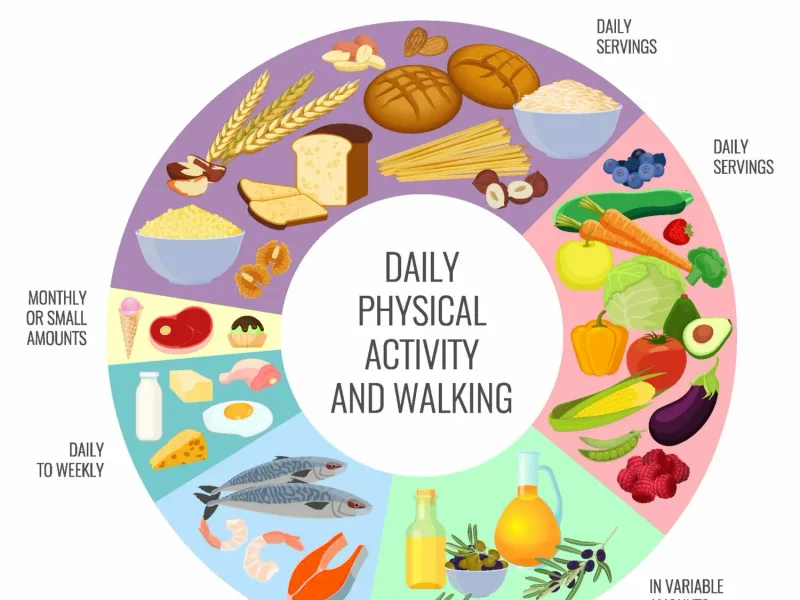
A proactive approach to health can dramatically lower stroke likelihood. This involves regular medical check-ups, adopting a balanced diet rich in fruits and vegetables, engaging in at least 150 minutes of moderate-intensity aerobic activity per week, and managing stress effectively.
Does this sound familiar? Taking these steps can lead to a healthier, stroke-free life.
Living with and Recovering from Stroke
Recovering from a stroke is a journey that requires patience, dedication, and a strong support system. The impact of a stroke can be profound, affecting physical abilities, speech, memory, and emotional well-being.
Living with this is genuinely hard. Rehabilitation plays a pivotal role in helping individuals regain lost function and adapt to changes.
Rehabilitation programs typically include:
- Physical Therapy: To improve strength, balance, and mobility.
- Occupational Therapy: To enable relearn everyday tasks like dressing, eating, and bathing.
- Speech Therapy: To address difficulties with communication and swallowing.
Support groups and counseling can also be incredibly beneficial for both individuals and their caregivers, providing emotional support and practical advice. The path to recovery is unique for everyone, and celebrating small victories along the way is major.
This is where most individuals struggle.
Key Takeaways
- A stroke is a medical emergency requiring immediate attention; recognizing F.A.S.T. signs is vital.
- Ischemic strokes (blockage) and hemorrhagic strokes (bleeding) require different medical approaches.
- Neurologists and stroke specialists provide crucial diagnosis and care, especially within critical time windows.
- Managing possibility factors like high blood pressure, diabetes, and smoking is key to stroke prevention.
- Rehabilitation is essential for recovery, focusing on physical, occupational, and speech therapies.
Frequently Asked Questions
What is the first thing to do if I suspect someone is having a stroke?
Immediately call for emergency medical services (like ambulance services). Do not try to drive the person to the hospital yourself, as their condition can change rapidly. Note the time when the manifestations first appeared, as this information is critical for therapy decisions.
Can stroke indicators go away on their own?
While some stroke-like warning signs, particularly those of a Transient Ischemic Attack (TIA) or "mini-stroke," can resolve on their own, they are a serious warning sign. Never ignore these signs, as they indicate a high possibility of a major stroke occurring soon. Prompt medical evaluation is essential.
What is the most vital factor in stroke intervention?
Time is the most critical factor in stroke management. The sooner a person receives appropriate medical care, the better their chances of survival and recovery, and the less severe the long-term disability. This is why immediate recognition of manifestations and rapid transport to a stroke-ready hospital are paramount.
How can I reduce my possibility of stroke?
You can significantly reduce your stroke likelihood by managing key health factors: control your blood pressure, manage diabetes and cholesterol levels, maintain a healthy weight, exercise regularly, eat a balanced diet, avoid smoking, and limit alcohol intake. Regular medical check-ups are crucial for monitoring these factors.
Recovery is rarely linear.
Always consult a qualified physician before making medical decisions.