Locating an Oncology Professional in the Dumka Region
Receiving a diagnosis of malignancy presents significant challenges. Individuals require reliable clinical direction during such a time. Locating an appropriate oncology professional within the Dumka region represents a pivotal initial stride toward effective intervention. This resource endeavors to aid readers in recognizing proficient oncologists (physicians specializing in conditions involving abnormal cell growth) and appreciating their indispensable contributions.
The Essential Nature of Expert Oncological Support
Managing oncological conditions is inherently complex, demanding profound clinical knowledge. Specialized practitioners in this field possess this extensive expertise, consistently staying abreast of the latest research and therapeutic advancements. Their focused methodology significantly influences patient outcomes. India faces a substantial burden from these illnesses; the National Cancer Registry Programme (NCRP) documented over 1.4 million new cases of malignancy in 2022 alone. Engaging with a dedicated expert ensures patients receive care aligned with international benchmarks.
The Function of an Oncologist
An oncologist is a physician whose practice centers on the diagnosis and management of malignancies. These clinicians not only identify and address oncological conditions but also oversee symptom management and mitigate adverse effects. Oncologists frequently collaborate with a multidisciplinary healthcare team. This collective may encompass surgeons, radiologists, pathologists, and nursing staff. Together, they formulate a tailored care strategy, signifying a coordinated approach that ensures all facets of a patient's well-being are thoroughly addressed.
Categories of Oncology Practitioners
Various types of professionals focus on oncological conditions. The primary categories individuals might encounter include:
- Medical Oncologists: These clinicians employ chemotherapy, immunotherapy, and targeted pharmacological agents to combat malignancies. They oversee the overarching clinical management of individuals affected by these conditions.
- Surgical Oncologists: These practitioners conduct operations to excise tumors and surrounding tissues, often constituting a critical component of the therapeutic approach for many cancers.
- Radiation Oncologists: These experts use radiation therapy to eradicate abnormal cells. They meticulously plan and administer precise radiation applications.
Occasionally, individuals may also interact with gynecologic oncologists (for reproductive system malignancies in women) or pediatric oncologists (for childhood malignancies). The specific type of clinical expert required is determined by the individual's diagnosis.
Criteria for Selecting an Oncology Professional in Dumka
Choosing a healthcare provider necessitates careful deliberation. Here are key priorities to consider:
- Credentials and Experience: Seek out board-certified oncologists. Verify their experience with the specific type of malignancy diagnosed. Institutions such as the All India Institute of Medical Sciences (AIIMS) establish rigorous benchmarks for professional training.
- Hospital Affiliation: Confirm that the clinician practices at a reputable healthcare facility. Hospitals in the Dumka area equipped with advanced diagnostic and therapeutic capabilities are preferable.
- Communication Style: An impactful physician conveys intricate information with clarity. They should demonstrate empathy and attentively listen to patient concerns, fostering an environment where individuals feel comfortable posing questions.
- Therapeutic Philosophy: Do they advocate for a collaborative, team-based methodology? Are they knowledgeable about contemporary therapeutic options, including clinical trials where appropriate?
Many sufferers derive comfort from a healthcare provider who exhibits genuine concern for their holistic well-being, extending beyond purely clinical aspects.
Identifying Oncology Experts in the Dumka Region
Locating healthcare professionals in Dumka is becoming increasingly straightforward. Several avenues can provide assistance:
- Referrals from a General Practitioner: A family physician often serves as the initial point of contact and can offer trusted recommendations.
- Hospital Networks: Major healthcare facilities in the Dumka area frequently maintain directories of their affiliated experts. Consult their websites or contact their reception desks.
- Online Health Platforms: Websites like Doctar (the source of this information) enable searches for healthcare professionals by location and specialty. These platforms often display clinician profiles, patient testimonials, and appointment scheduling functionalities.
- Patient Support Groups: Engaging with local communities of individuals facing similar health challenges can yield valuable insights and suggestions.
Recommendations from trusted personal contacts can prove immensely beneficial. A robust support framework significantly enhances the patient's journey.
The Diagnostic Journey
Upon consulting an oncology professional, the diagnostic journey commences. This typically encompasses:
- Medical History and Physical Examination: The physician will inquire about the patient's health background and conduct a physical assessment.
- Imaging Studies: X-rays, CT scans, MRIs, and PET scans aid in visualizing any abnormal growths.
- Biopsy: A small tissue specimen is extracted and examined microscopically. This procedure is crucial for confirming the presence of malignancy and determining its specific type.
- Blood Tests: These analyses can help identify specific markers associated with abnormal cell growth or evaluate overall physiological health.
According to the Indian Council of Medical Research (ICMR), prompt diagnosis substantially improves survival rates for many oncological conditions. For instance, survival rates for breast carcinoma can exceed 90% when detected at an early phase.
Understanding Therapeutic Approaches
Interventions for oncological conditions have advanced considerably. The oncologist will discuss the most appropriate course of action. Common therapeutic modalities include:
- Chemotherapy: Utilizes medications to eliminate abnormal cells throughout the body.
- Radiation Therapy: Employs high-energy beams to precisely target and destroy abnormal cells within a specific anatomical region.
- Surgery: Involves the physical removal of the abnormal growth.
- Immunotherapy: Enhances the body's intrinsic immune system to combat the malignancy.
- Targeted Therapy: Concentrates on specific molecular irregularities present within the abnormal cells.
The selection of therapy depends on the type of malignancy, its stage, and the patient's overall health status. Living with such an illness is genuinely difficult, and the oncology professional will provide guidance through each phase.
The Significance of a Collaborative Healthcare Team
No single clinician manages oncological conditions in isolation. A team-based strategy is paramount, ensuring all facets of patient care are comprehensively addressed. These healthcare experts collaborate closely, sharing perspectives to refine the therapeutic plan. This coordinated endeavor frequently leads to superior patient outcomes. The World Health Organization (WHO) emphasizes integrated strategies for disease control.
Supportive and Palliative Interventions
Beyond active therapy, supportive care holds vital importance. Palliative care focuses on alleviating symptoms and enhancing the quality of life. It is not exclusively for end-of-life situations but can be delivered concurrently with curative interventions. This approach assists in managing discomfort, nausea, and emotional distress, empowering sufferers to live more comfortably. Recognizing and addressing the physical and emotional impact is as crucial as the clinical intervention itself.
Nutrition and Lifestyle in Oncological Care
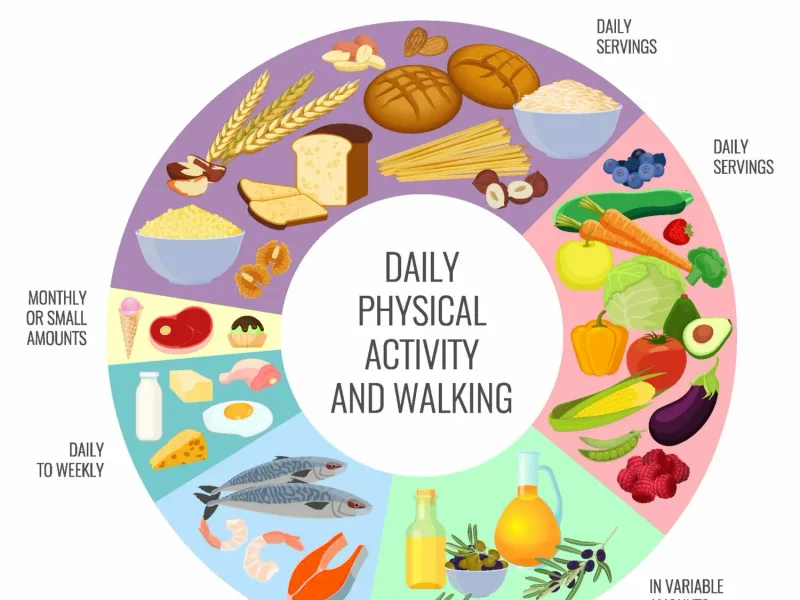
Diet and lifestyle contribute a supportive role. A balanced nutritional intake can bolster energy levels, aiding the body in coping with therapeutic demands. The attending physician or a registered nutritionist can offer tailored guidance. Maintaining adequate hydration is also essential. Gentle physical activity, if sanctioned by the healthcare provider, can similarly offer benefits. Minor adjustments to daily habits can yield positive differences. India exhibits increasing awareness regarding the correlation between lifestyle and chronic illnesses, including oncological conditions.
Addressing Emotional Well-being
Confronting an oncological diagnosis exacts a considerable emotional toll. Anxiety, apprehension, and despondency are prevalent reactions. Individuals should not hesitate to seek emotional assistance. Engaging with a therapist, counselor, or participating in a support group can provide immense relief. Family and friends also represent a critical source of fortitude. people are not alone in this journey.
Key Considerations for Residents of Dumka
- Consulting a specialized oncologist in Dumka is fundamental for successful management of oncological conditions.
- Oncology professionals specialize in medical, surgical, or radiation-based therapeutic approaches.
- Prioritize board certification, hospital affiliation, and transparent communication from a healthcare provider.
- use referrals, healthcare facility networks, and online platforms to identify an appropriate clinician.
- Early diagnosis and a collaborative team approach significantly enhance patient outcomes.
Identifying the appropriate oncology professional in the Dumka region represents a meaningful undertaking. With the right expertise and support, individuals can confront this challenge with increased assurance. Always consult a qualified physician before making decisions related to your health.
Frequently Asked Questions
Can I maintain my usual diet if I have an oncological condition?
Your nutritional requirements may change during interventions for abnormal cell growth. A balanced diet is crucial for energy and recovery. Consult your oncologist or a registered dietitian for personalized dietary recommendations. They can support manage adverse effects of therapy and sustain strength.
How frequently should I visit my oncology professional?
The regularity of your appointments depends on your specific type of malignancy and the chosen therapeutic plan. Initially, you might see your clinician quite often. As the course of action progresses, visits may become less frequent. Your expert will establish the optimal schedule for your follow-up care.
What distinguishes a general practitioner from an oncologist?
A general practitioner (GP) delivers primary healthcare for a broad spectrum of conditions. An oncologist, conversely, is a physician who specializes exclusively in the diagnosis and management of conditions involving abnormal cellular proliferation.
While a GP can be your first point of contact, an oncologist possesses the specialized knowledge necessary for comprehensive oncological management.
Are there support networks for individuals with oncological conditions in Dumka?
While specific formalized groups may vary, many hospitals and healthcare providers in larger towns like Dumka can direct you toward patient support communities. Online platforms also offer opportunities for connection and shared experiences. Discussing this with your physician is an excellent starting point.
Recovery is rarely linear.