Understanding Cancer Treatment in Chatra
Facing a cancer diagnosis can be overwhelming. Honestly, finding the right management close to home makes a significant difference.
In Chatra, as across India, a growing number of facilities and specialists are dedicated to providing advanced cancer care. Many of us have loved ones who have navigated this path, and understanding the available options is the first crucial step.
Think about it this way: Cancer approach is rarely a one-size-fits-all approach. It involves a combination of therapies tailored to the specific type of cancer, its stage, and the individual's overall health.
We often see patients who travel long distances for care, but increasingly, specialized care centres are becoming accessible even in smaller cities like Chatra.
Key Cancer Therapies Available
The cornerstone of modern cancer intervention typically involves several modalities, often used in combination. These approaches aim to eradicate cancer cells, control disease progression, and manage symptoms.
Surgery
Surgical oncology remains a vital part of cancer care. It involves the physical removal of tumours. Highly skilled surgeons in Chatra can perform complex procedures to resect cancerous tissues, offering hope for remission. This approach is particularly effective for localized cancers that have not spread significantly.
Here's where it gets interesting.
Chemotherapy
Chemotherapy uses powerful drugs to kill cancer cells throughout the body. These medications disrupt the growth and division of rapidly dividing cells, including cancerous ones.
While it can have side effects, it is a proven therapy for many cancer types. For instance, the Indian Council of Medical Research (ICMR) notes chemotherapy's critical role in treating various leukaemias and lymphomas.
Radiation Therapy
Radiation therapy, or radiotherapy, uses high-energy rays (like X-rays or protons) to target and destroy cancer cells. It can be used alone or alongside other treatments.
Local facilities in Chatra may offer advanced techniques like Intensity-Modulated Radiation Therapy (IMRT) or Stereotactic Body Radiation Therapy (SBRT), which precisely target tumours while minimising damage to surrounding healthy tissues. The World Health Organization (WHO) highlights radiotherapy as an essential component of cancer management globally.
Targeted Therapy
Targeted therapy represents a more precise approach. These drugs specifically target the genetic mutations or proteins that drive cancer growth.
Unlike traditional chemotherapy, they often have fewer side effects because they focus on cancer cells specifically. Identifying these targets requires sophisticated diagnostic testing, often available through larger network hospitals connected to centres like Chatra.
Immunotherapy
Immunotherapy is a revolutionary approach that harnesses the patient's own immune system to fight cancer. It helps the immune system recognize and attack cancer cells more effectively.
While still evolving, immunotherapy has shown remarkable success in treating certain cancers, such as melanoma and lung cancer. Its availability is expanding, with leading institutions in India actively involved in research and application.
This is where most those affected struggle.
Hormone Therapy
For hormone-sensitive cancers, such as certain types of breast and prostate cancer, hormone therapy is crucial. This approach works by blocking or removing hormones that fuel cancer cell growth. It is often used in conjunction with other treatments to improve outcomes.
The Role of Specialists in Chatra
Navigating cancer management requires a multidisciplinary team of specialists. In Chatra, you can find experienced oncologists – physicians specializing in cancer diagnosis and management. These include medical oncologists (who manage chemotherapy and targeted therapies), surgical oncologists (who perform cancer surgeries), and radiation oncologists (who oversee radiation therapy).
Support staff, including nurses, pharmacists, and counsellors, are also vital. Their collective expertise ensures a coordinated and patient-centric approach to care.
Here's the thing — the quality of care depends heavily on the expertise of the medical team. Choosing a centre with board-certified specialists and a proven track record is paramount.
You'll notice that many centres in India, including those accessible from Chatra, adhere to international clinical guidelines set by organizations like the American Society of Clinical Oncology (ASCO).
Patient Experience and Support
Living with cancer is genuinely hard. Beyond the medical treatments, emotional and psychological support is vital. Many hospitals and dedicated cancer centres offer patient support programs.
These can include counselling, nutritional guidance, pain management clinics, and support groups where sufferers can share experiences and coping strategies. Building a strong support network — both personal and professional — can significantly enhance a patient's journey.
That alone changes everything.
Consider the journey of a patient diagnosed with early-stage breast cancer. They might undergo surgery performed by a surgical oncologist, followed by chemotherapy managed by a medical oncologist. A radiation oncologist may then oversee adjuvant radiation therapy.
Throughout this, nurses provide daily care, and psychologists offer emotional support. This integrated care model is what we strive for in all our care centres.
What's the bottom line here? A positive outlook, supported by robust medical care and a strong community, can profoundly impact recovery. We have seen individuals in India draw immense strength from shared experiences, much like neighbours sharing stories over a cup of chai.
Technological Advancements in Cancer Care
Advancements in medical technology are constantly improving cancer intervention outcomes. Centres affiliated with or accessible from Chatra are increasingly adopting these innovations. Sophisticated diagnostic tools like PET-CT scans and advanced MRI techniques enable earlier and more accurate detection of cancer.
Precision medicine, which tailors approach based on a patient's genetic profile, is also gaining traction. This ensures therapies are more powerful and less toxic. The National Cancer Institute (NCI) in the US, a global leader, continually shares research that influences practices worldwide, including in India.
That alone changes everything.
On top of that,, robotic-assisted surgery is becoming more common for certain procedures. This allows for minimally invasive operations, leading to faster recovery times and reduced scarring. You'll notice that the integration of technology aims not just to treat the disease but also to enhance the patient's quality of life during and after approach.
Nutritional and Lifestyle Considerations
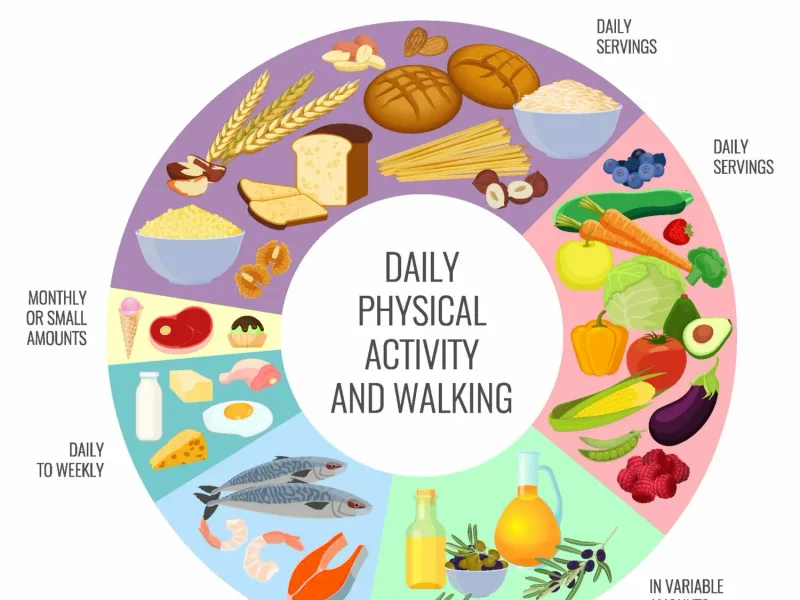
Diet and lifestyle play a crucial role alongside medical approach. A balanced diet rich in fruits, vegetables, and whole grains can help strengthen the body and support the immune system. Hydration is also key, especially during treatments like chemotherapy. Physicians often recommend consulting a registered dietitian to create a personalized nutrition plan.
For example, maintaining adequate protein intake is vital for tissue repair. Lifestyle factors such as regular, gentle exercise (as advised by a doctor) and avoiding smoking and excessive alcohol consumption are also strongly encouraged. 5 million cancer survivors (National Cancer Registry Programme, 2022), many of whom attribute their resilience to holistic care, including nutrition and lifestyle adjustments.
Challenges and Access to Care
Accessing advanced cancer therapy can present challenges, even in well-equipped areas. Financial constraints are a marked concern for many families. Various government schemes and hospital financial aid programs exist to assist alleviate this burden. Awareness about these resources is crucial.
And yet, so many people miss it.
Think about it this way: even with the best technology, if people cannot afford the care, its impact is limited. Building robust healthcare infrastructure and ensuring equitable access remain ongoing efforts in India. The Union Ministry of Health and Family Welfare actively works on cancer control programs.
Honestly, the journey through cancer management is complex. But why does this happen? It's a combination of the disease itself, the intensity of treatments, and socioeconomic factors.
What's the bottom line here? Proactive planning and seeking information about financial aid can make a substantial difference. Early detection remains our most powerful weapon against cancer, significantly improving survival rates and reducing management intensity.
The Future of Cancer approach in Chatra
The landscape of cancer management is continuously evolving. We anticipate seeing further integration of personalized medicine, advancements in early detection technologies, and wider availability of novel therapies like CAR T-cell therapy. Chatra, like other developing regions, will benefit from these global advancements.
Collaboration between local healthcare providers and national research institutions will be key to bringing cutting-edge treatments closer to home. The vision is to make high-quality, evidence-based cancer care accessible to everyone, regardless of their location.
That alone changes everything.
Ultimately, the goal is to boost not just survival rates but also the quality of life for cancer individuals and their families. By staying informed and connected with healthcare providers, individuals can make the best possible decisions for their cancer journey.
Key Takeaways
- Cancer care is personalized, involving surgery, chemotherapy, radiation, targeted, and immunotherapy.
- Access to experienced oncologists and multidisciplinary teams is crucial for impactful care.
- Patient support systems, including psychological and nutritional guidance, significantly aid recovery.
- Technological advancements and precision medicine are enhancing care efficacy and patient quality of life.
- Early detection and holistic care are vital for improving cancer survival rates in India.
Frequently Asked Questions
What are the main types of cancer approach?
The primary cancer treatments include surgery to remove tumors, chemotherapy using drugs to kill cancer cells, and radiation therapy using high-energy rays. Newer approaches like targeted therapy and immunotherapy, which focus on specific cancer mechanisms or the immune system, are also increasingly used.
Can I get advanced cancer intervention in Chatra?
While specific advanced management centres might be limited directly within Chatra, it serves as a hub connecting residents to larger hospitals and specialized cancer institutes in nearby major cities. Many sufferers from smaller towns travel to access these facilities, often supported by telemedicine and follow-up care arrangements.
How can I manage the side effects of cancer therapy?
Managing side effects involves close collaboration with your medical team. They can prescribe medications to combat nausea, pain, and fatigue. Nutritional support from a dietitian and psychological counselling can also greatly assist in coping with the physical and emotional toll of treatments.
This is where most individuals struggle.
What is the role of diet in cancer intervention?
Diet plays a supportive role by helping maintain strength and energy levels during care. A balanced diet rich in nutrients can aid recovery and boost the body's ability to tolerate therapy. Consulting a dietitian is recommended to create a personalized eating plan that meets your specific needs.
Always consult a qualified physician before making medical decisions.