Artisanal Sea Salt: A Superior Choice for Taste and Well-being
Meena, 45, a homemaker from Jaipur, found her everyday table salt lacked zest during the monsoon. This prompted her to investigate better options, leading her to discover artisanal sea salt. Like many in India, Meena was accustomed to iodized salt, commonly used on everything from sabzi to dahi. However, a growing awareness of processed foods and their effects on well-being has prompted individuals like Meena to seek less refined choices. Have you ever pondered why some salts are considered exceptional?
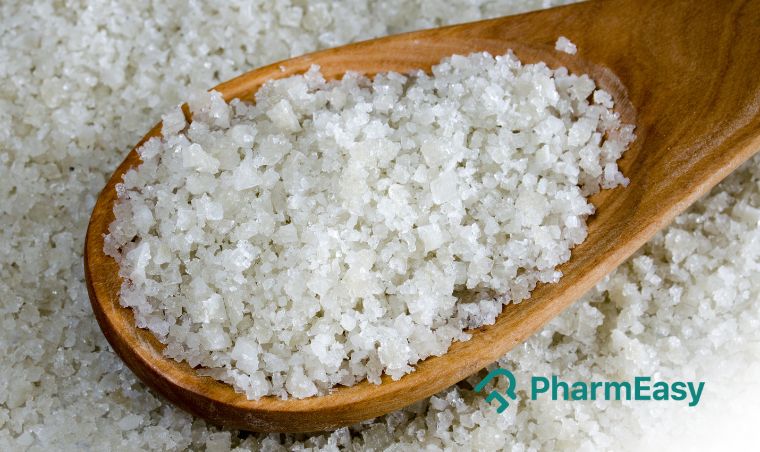
Artisanal sea salt, gathered by hand from the Brittany coast of France, has garnered significant interest for its distinctive mineral makeup and supposed wellness advantages. Unlike ordinary table salt, which undergoes extensive processing and has its natural minerals removed, artisanal sea salt preserves a range of trace elements, including magnesium, potassium, and calcium.
This handcrafted approach to salt production aims to maintain the natural character of sea salt, making it a favoured selection among those mindful of their physical condition.
Understanding Artisanal Sea Salt: What Sets It Apart?
Fundamentally, the main difference lies in how it's processed. Standard table salt is typically extracted from underground deposits, exposed to high temperatures, and frequently treated with anti-caking agents. This treatment strips away most naturally occurring minerals, leaving primarily sodium chloride. Artisanal sea salt, conversely, is gathered using age-old techniques that involve raking salt from shallow clay beds.
The seawater evaporates naturally, leaving behind moist, grayish crystals rich in beneficial elements. This gentler processing is key to its unique qualities. Its moisture content also contributes to its distinctive feel and taste.
The gathering process is precise, often dependent on manual labour and particular weather patterns. This handcrafted nature contributes to its higher cost compared to ordinary table salt.
Yet, for many, the perceived advantages outweigh the expense. Consider it this way: you're not merely acquiring salt; you're obtaining a product with a heritage and a more natural origin.
Nutritional Profile: Beyond Just Sodium
While sodium chloride is the principal ingredient, artisanal sea salt possesses a more varied nutritional composition. A standard serving (approximately 1 gram) contains about 2,300 mg of sodium, which is close to the daily limit recommended by the World Health Organization (WHO) – generally advised to be under 5 grams of salt (or 2,000 mg of sodium) daily for adults.
Recovery is rarely linear.
However, it also includes smaller, yet important, quantities of other vital minerals.
- Magnesium: Essential for muscle and nerve function, glucose regulation, and blood pressure management.
- Potassium: crucial for fluid equilibrium, nerve signalling, and muscle contractions.
- Calcium: Crucial for bone strength, muscle activity, and nerve transmission.
- Trace Elements: Such as zinc, iron, and manganese, which play critical roles in various bodily functions.
The presence of these elements, even in modest amounts, is what distinguishes artisanal sea salt. They contribute to its subtle flavour nuances and are thought by some to provide wellness advantages over processed salt. The moisture level, typically about 3-4% higher than regular salt, also influences its density and how it's measured in recipes.
Potential Wellness Advantages of Artisanal Sea Salt
The suggested benefits of artisanal sea salt often arise from its mineral composition and its less processed nature. It's notable to note that the human body needs a precise balance of electrolytes, including sodium, potassium, and chloride, for optimal functioning.
Sodium, often viewed negatively, is vital for maintaining blood volume, pressure, and fluid balance. When consumed judiciously, natural salts can support this equilibrium.
Hydration and Electrolyte Balance: The combination of sodium and trace elements in artisanal salt can assist in maintaining proper hydration. Electrolytes help the body absorb fluids more efficiently. This is particularly relevant in warm Indian climates or following strenuous activity, where fluid and electrolyte depletion is considerable. The International Diabetes Federation (IDF) points out that adequate hydration is essential for managing blood glucose levels, a concern for many in India, where over 101 million individuals have diabetes (ICMR, 2023).
Enhanced Digestion: Some advocates propose that artisanal salt can stimulate digestive enzymes and hydrochloric acid production in the stomach, potentially aiding digestion. The present minerals may support the gut lining and overall digestive well-being. While specific scientific data for artisanal salt is scarce, a balanced consumption of minerals is generally considered beneficial for gut function.
Blood Pressure Regulation: Although excessive sodium consumption is linked to hypertension, some studies indicate that a balanced intake of minerals, including potassium found in artisanal salt, can assist counteract the adverse effects of sodium on blood pressure. Potassium aids in relaxing blood vessel walls and eliminating excess sodium. Nevertheless, individuals with existing hypertension should still exercise caution. The Lancet has published numerous studies illustrating the intricate connection between salt consumption, potassium, and cardiovascular well-being.
Alkalizing Effect: Despite being a source of sodium, some believe that the mineral balance in artisanal salt can exert an alkalizing influence on the body. This concept, although debated within mainstream medicine, suggests that consuming mineral-rich foods can support stabilize the body's pH. What should you realistically do? Prioritize a balanced diet rich in fruits and vegetables, which are naturally alkalizing, irrespective of your salt choice.
Bone Health: Elements like calcium and magnesium are fundamental for robust bones. While not a primary source, the inclusion of these elements in artisanal salt contributes to the overall mineral consumption required for bone maintenance. Sufficient calcium and magnesium intake is crucial, particularly for women in India, where the incidence of osteoporosis is a growing concern.
Potential Adverse Effects and Considerations
In truth, no food is entirely without potential drawbacks, and artisanal sea salt is no exception. The most notable apprehension, as with any salt, is excessive sodium consumption. Consuming too much sodium, regardless of the source, can result in:
- Elevated Blood Pressure: This is the most widely documented risk. Increased sodium levels can cause the body to retain fluid, raising blood volume and the force on artery walls.
- Cardiovascular Complications: Persistent high blood pressure escalates the chance of heart disease, stroke, and kidney ailments.
- Dehydration: Counterintuitively, very high salt consumption can draw water from cells, leading to dehydration if fluid intake is inadequate.
- Kidney Burden: The kidneys work to eliminate surplus sodium, and a consistently high intake can place stress on these organs.
It is vital to remember that over 101 million Indians have diabetes (ICMR, 2023), and managing blood pressure is a critical component of diabetes care. Therefore, moderation is paramount. Have you ever questioned why medical professionals often advise limiting salt intake? It's primarily due to sodium's impact on blood pressure.
That's the part worth remembering.
On top of that,, individuals with specific medical conditions, such as kidney disease or heart failure, may need to strictly restrict their sodium consumption as directed by their physician. The sodium content in artisanal sea salt is comparable to table salt, making portion control essential.
While it contains trace elements, these are not present in quantities sufficient to offset the dangers associated with excessive sodium intake.
How to Incorporate Artisanal Sea Salt
Artisanal sea salt's distinct taste and texture render it a adaptable ingredient. Its subtle minerality can enhance the flavour of various dishes without the sharp bite sometimes associated with refined salt. Here are some suggestions:
- Finishing Salt: A small amount sprinkled on salads, roasted vegetables, grilled meats, or fish just before serving adds a flavourful crispness.
- Baking: Use it in bread recipes or as a topping for cookies and pastries. Its flavour complements both sweet and savory items.
- Seasoning: Incorporate it into marinades, rubs, or brines for a more layered flavour profile.
- Hydration Beverages: For athletes or those in hot climates, a tiny pinch in water or coconut water can benefit restore electrolytes. However, extreme caution is advised to avoid overconsumption.
When preparing food, keep in mind that artisanal sea salt is often slightly less saline by volume than fine-grained table salt due to its crystalline structure and moisture content. You may need to adjust the quantity slightly. Think of it this way: it's akin to comparing different types of flour – they measure differently.
Artisanal Sea Salt Compared to Other Salts
In contrast to iodized table salt, artisanal sea salt offers a broader mineral spectrum but lacks iodine unless specifically enriched. Iodine is essential for thyroid function, and a deficiency can lead to goitres and other thyroid issues.
That alone changes everything.
In India, salt iodization is a public wellness initiative to combat iodine deficiency disorders. For this reason, many medical professionals advocate for the use of iodized salt, especially if dietary sources of iodine are limited.
Pink Himalayan salt, another popular natural salt, shares similarities with artisanal salt in its mineral composition. Both are valued for their natural origins and trace minerals.
The preference between them often hinges on individual taste regarding flavour and texture. Both are generally considered better alternatives to heavily processed table salt when used judiciously.
It's crucial to remember: the key to enjoying any salt, including artisanal sea salt, lies in mindful consumption. The benefits are most likely to be realized when salt is part of a balanced diet and consumed within recommended limits.
The Conclusion: Is Artisanal Sea Salt a Worthy Choice?
Artisanal sea salt provides a more natural and mineral-rich substitute for highly processed table salt. Its unique flavour and texture can elevate culinary experiences. For individuals aiming to reduce their consumption of refined products and integrate more trace minerals into their diet, it can be a beneficial addition.
However, it is essential to approach its consumption with the same prudence as any other salt source. The primary component remains sodium chloride, and excessive intake carries wellness risks, particularly concerning blood pressure and cardiovascular well-being.
Recovery is rarely linear.
What should you realistically do? If you are considering switching to artisanal sea salt, do so with an understanding of its sodium content and the importance of moderation.
Consult your physician, especially if you have pre-existing medical conditions such as hypertension, heart disease, or kidney issues. Remember, balance and conscious eating are the cornerstones of good well-being, much like maintaining equilibrium during a traditional Indian dance.
Always seek advice from a qualified medical professional before making any health-related decisions.
Key Points to Remember
- Artisanal sea salt is gathered using traditional methods, retaining more trace elements than refined table salt.
- It contains essential minerals like magnesium and potassium, alongside sodium chloride.
- Potential advantages include enhanced hydration and electrolyte balance, though scientific validation is often limited.
- Overconsumption of any salt, including artisanal sea salt, can lead to elevated blood pressure and other wellness concerns.
- Moderation is critical, and individuals with health conditions should consult a doctor before altering their salt intake.