Understanding Chest Pain in Godda: A Guide to Seeking Expert Care
Chest pain is a symptom that can cause significant anxiety. Recognizing when it signifies a medical emergency is vital for timely intervention and better outcomes. We often see people in Godda experiencing this distress, unsure of the next steps. This guide aims to clarify the causes of chest pain and direct you to the appropriate specialists.
When Chest Pain Signals an Emergency
The reality is, not all chest pain is a heart attack, but any persistent or severe chest discomfort demands immediate medical attention. Do not delay seeking help if you experience any of the following indicators alongside chest pain:
- Sudden, crushing, or squeezing pain, often in the centre of the chest.
- Pain that radiates to the arm (especially the left), jaw, neck, or back.
- Shortness of breath or difficulty breathing.
- Cold sweats.
- Nausea or vomiting.
- Dizziness or lightheadedness.
- Extreme fatigue.
How serious is this really? These signs can indicate a myocardial infarction (heart attack), a life-threatening condition requiring immediate intervention. Prompt care can significantly enhance survival rates and reduce long-term heart damage. In India, cardiovascular diseases are a leading cause of mortality, with heart attacks accounting for a substantial portion. For instance, the Indian Heart Association reported over 2 million heart attacks annually.
Identifying Potential Causes of Chest Pain
While heart-related issues are a primary concern, chest pain can stem from various sources. Understanding these helps in effective diagnosis. Think about it this way: your chest houses many organs, and pain can originate from any of them.
Cardiac Causes (Heart-Related)
*
Myocardial Infarction (Heart Attack): This occurs when blood flow to a part of the heart muscle is blocked, usually by a blood clot. The lack of oxygen damages or destroys heart tissue. The American Heart Association (AHA) emphasizes that every minute counts during a heart attack.
*
Angina: Often described as a pressure or tightness, angina is caused by reduced blood flow to the heart muscle, typically during exertion. It's a warning sign of underlying coronary artery disease.
*
Pericarditis: Inflammation of the pericardium, the sac surrounding the heart. This can cause sharp, stabbing chest pain, often worse when lying down or breathing deeply.
*
Myocarditis: Inflammation of the heart muscle itself, which can lead to chest pain and shortness of breath.
Non-Cardiac Causes (Non-Heart Related)
*
Gastrointestinal Issues: Acid reflux (heartburn), oesophageal spasms, or even gallbladder problems can mimic heart pain. The burning sensation of severe heartburn can be mistaken for cardiac discomfort.
*
Pulmonary Problems: Conditions like pneumonia, pleurisy (inflammation of the lung lining), or a pulmonary embolism (blood clot in the lung) can cause chest pain, often accompanied by breathing difficulties.
*
Musculoskeletal Pain: Injuries to the chest wall, strained muscles, or inflamed rib joints (costochondritis) can lead to localized chest pain that may worsen with movement.
*
Anxiety and Panic Attacks: These can trigger physical symptoms, including chest tightness, rapid heartbeat, and shortness of breath, which can feel very similar to a heart attack. What most people miss is that the body's stress response can manifest physically.
Finding a Chest Pain Doctor in Godda
When experiencing chest pain, the first and most crucial step is to seek immediate medical evaluation. For non-emergency situations or follow-up care, finding a qualified physician is essential.
*
General Physicians: Your first point of contact in Godda should be a general physician. They can perform an initial assessment, rule out immediate emergencies, and refer you to a specialist if needed. Many clinics in Godda offer these services.
*
Cardiologists: These are specialists dedicated to diagnosing and treating heart conditions. If your chest pain is suspected to be heart-related, a cardiologist is the expert you need. They have specialized training in cardiology and can perform advanced diagnostic tests.
*
Emergency Services: In case of a suspected heart attack or severe chest pain, do not drive yourself. Call emergency services immediately. In Godda, prompt access to emergency care can be life-saving.
The Diagnostic Process for Chest Pain
Diagnosing the cause of chest pain involves a systematic approach by your doctor. The goal is to pinpoint the source accurately to provide the most proven treatment.
*
Medical History and Physical Examination: The physician will ask detailed questions about your pain (onset, duration, character, triggers) and your overall health. A thorough physical exam follows, listening to your heart and lungs.
*
Electrocardiogram (ECG/EKG): This non-invasive test records the electrical activity of your heart. It is a crucial tool for detecting heart attacks and other electrical abnormalities. Hospitals in Godda are equipped with ECG machines.
*
Blood Tests: Certain enzymes released into the bloodstream when the heart muscle is damaged can be detected through blood tests, aiding in the diagnosis of a heart attack. For example, troponin levels are a key indicator.
*
Chest X-ray: This imaging test helps visualize the lungs, heart size, and major blood vessels, assisting in diagnosing lung conditions or heart enlargement.
*
Echocardiogram: An ultrasound of the heart that provides images of its structure and function. It helps identify valve problems or weakened heart muscle.
*
Stress Test: This test monitors your heart's response to physical stress, usually performed on a treadmill. It helps diagnose coronary artery disease by revealing blockages that appear during exertion.
*
Angiography: In more complex cases, a cardiac catheterization (angiogram) may be performed. A dye is injected into the coronary arteries, and X-rays show any blockages. This procedure is usually done at larger hospitals or specialized cardiac centres.
The World Health Organization (WHO) guidelines emphasize a multi-pronged approach for accurate diagnosis.
intervention and Management Strategies
therapy for chest pain depends entirely on its underlying cause. The approach aims to relieve signs, prevent recurrence, and manage the specific disorder.
*
For Heart Attacks: Immediate medical intervention is key. This may involve medications to dissolve clots (thrombolytics), angioplasty (using a balloon to open blocked arteries), or bypass surgery. The ICMR (Indian Council of Medical Research) supports rapid intervention protocols for cardiac emergencies.
*
For Angina: Medications like nitroglycerin can provide quick relief. Long-term management includes lifestyle changes, medications to lower cholesterol and blood pressure, and sometimes procedures like angioplasty.
*
For GERD/Acid Reflux: Antacids, proton pump inhibitors (PPIs), and dietary modifications are common treatments. Reducing spicy foods and avoiding late-night meals can assist significantly.
*
For Musculoskeletal Pain: Rest, pain relievers (like NSAIDs), and physical therapy can assist in recovery.
*
For Anxiety/Panic Attacks: Therapy, relaxation techniques, and sometimes medication can assist manage these episodes. Learning coping mechanisms is vital.
Living with chronic chest pain, regardless of its cause, is genuinely hard. However, with the right diagnosis and consistent management, many people can lead fulfilling lives. Remember, early detection and appropriate care are your strongest allies.
Preventive Measures for Heart Health
Preventing heart disease is crucial, especially given the rising incidence in India. Many of us have family members or friends who have faced cardiac issues. Adopting a heart-healthy lifestyle can significantly reduce your risk.
*
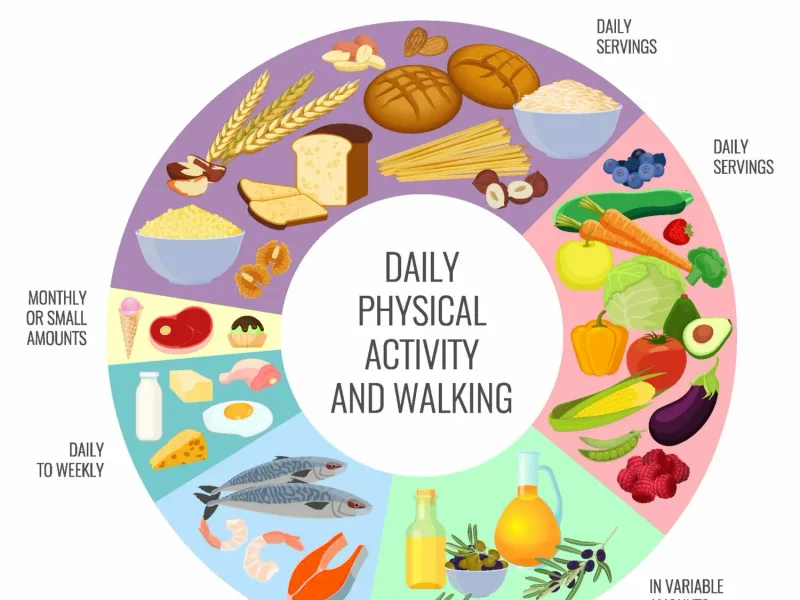
Healthy Diet: Emphasize fruits, vegetables, whole grains, and lean proteins. Limit saturated fats, trans fats, sodium, and added sugars. The National Institute of Nutrition (NIN) in India provides dietary guidelines.
*
Regular Exercise: Aim for at least 150 minutes of moderate-intensity aerobic activity per week. Activities like brisk walking, cycling, or swimming are beneficial.
*
Maintain a Healthy Weight: Obesity is a marked danger factor for heart disease. Achieving and maintaining a healthy Body Mass Index (BMI) is vital.
*
Quit Smoking: Smoking is a major contributor to heart disease. Quitting can dramatically improve your heart health.
*
Manage Stress: Chronic stress can negatively impact heart health. Practice stress-reducing activities like meditation, yoga, or deep breathing exercises.
*
Regular Health Check-ups: Especially if you have possibility factors like diabetes, hypertension (high blood pressure), or a family history of heart disease, regular check-ups are crucial. India has approximately 77 million people living with diabetes (IDF, 2023), a key likelihood factor for cardiac complications.
Finding a Cardiologist in Godda
When seeking specialized cardiac care in Godda, consider the following:
- Referrals: Ask your primary care physician for a trusted referral.
- Hospital Affiliations: Cardiologists often practice at reputable hospitals. Check the affiliations of doctors in Godda.
- Patient Reviews: Online reviews and testimonials can offer insights into a doctor's experience and patient satisfaction.
- Experience with Specific Conditions: If you have a known heart disorder, look for a doctor with specific expertise in that area.
The journey to managing chest pain and ensuring heart health requires a proactive approach. Don't hesitate to seek professional medical advice. Your well-being is paramount.
Key Takeaways
- Chest pain can indicate a serious heart disorder like a heart attack, requiring immediate medical attention.
- signs like radiating pain, shortness of breath, and cold sweats are critical warning signs.
- Causes of chest pain extend beyond cardiac issues to include gastrointestinal, pulmonary, and musculoskeletal problems.
- Prompt diagnosis by a qualified physician or cardiologist in Godda is vital for impactful therapy.
- Adopting a heart-healthy lifestyle is crucial for preventing cardiac events.
Always consult a qualified physician before making medical decisions.
Frequently Asked Questions
Can chest pain be a sign of indigestion?
Yes, indigestion and acid reflux are usual causes of chest pain that can mimic heart problems. warning signs like a burning sensation behind the breastbone, especially after eating, can be indicative of gastrointestinal issues.
What should I do if I experience sudden chest pain?
If you experience sudden, severe, or persistent chest pain, especially with other warning signs like shortness of breath or radiating pain, call for emergency medical assist immediately. Do not attempt to drive yourself to the hospital.
How can I find a good cardiologist in Godda?
You can find a good cardiologist in Godda through referrals from your general physician, by checking reputable hospitals in the area, or by looking at online patient reviews for healthcare providers specializing in cardiac care.
Is chest pain always a sign of a heart attack?
No, chest pain is not always a sign of a heart attack. While it is a critical symptom that must be evaluated, many other conditions, including lung issues, digestive problems, and muscle strain, can cause chest pain.
That alone changes everything.