Chia Seeds: A Tiny Seed with Mighty Benefits for Indian Well-being
Meena, 45, a homemaker from Jaipur, noticed her energy levels dipping significantly after lunch each day. Concerned about her increasing weight and borderline glucose readings, she sought advice from her doctor. He recommended incorporating small, nutrient-dense foods into her diet.
Among his suggestions were chia seeds, a food she'd heard about but never really understood. Like Meena, many Indians are now exploring the potential of these tiny grains, often referred to as 'superfoods'. But what exactly makes them so special, especially in the context of Indian lifestyles and dietary habits?
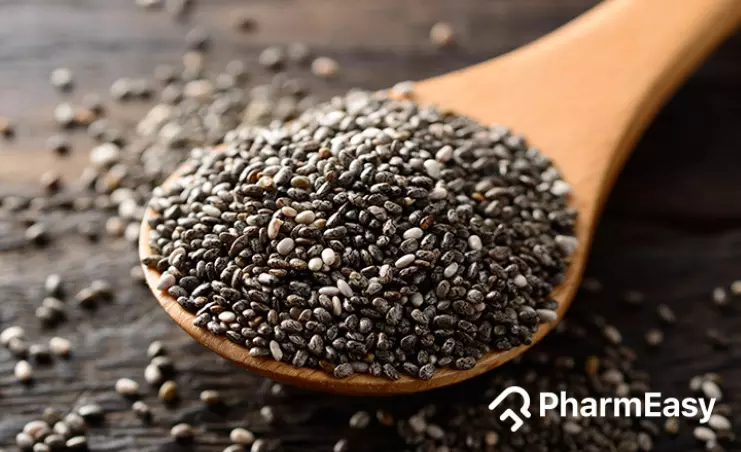
Chia seeds, scientifically known as Salvia hispanica, are derived from a flowering plant in the mint family native to Mexico and Guatemala. Historically, they were a staple food for ancient Aztec and Mayan cultures, valued for their ability to provide sustained energy. Today, these minuscule grains are gaining global recognition for their impressive nutritional profile and versatility. In many cases, understanding the science behind these ancient foods can empower us to make healthier choices, especially when integrated thoughtfully into our modern diets. Have you ever wondered why these tiny grains are suddenly everywhere?
The Nutritional Powerhouse: What Makes Chia Seeds So Good?
The appeal of chia seeds lies in their dense nutritional content. A mere 28-gram serving (about 2 tablespoons) packs a significant punch.
They are an excellent source of dietary bulk, with approximately 11 grams, which is nearly 40% of the recommended daily intake. This high fiber content is crucial for digestive well-being and can contribute to a feeling of fullness, aiding in weight management efforts.
Additionally, chia seeds are rich in omega-3 fatty acids, specifically alpha-linolenic acid (ALA). While the body's conversion of ALA to the more readily usable EPA and DHA is limited, it still offers cardiovascular benefits. For vegetarians and vegans, they represent a valuable plant-based source of these essential fats.
Here's where it gets interesting.
The grains also provide a good amount of protein, containing all nine essential amino acids, making them a complete protein source for plant-based eaters. Protein is vital for muscle repair, immune function, and overall satiety.
Minerals are also abundant in chia seeds. They are a fantastic source of calcium, phosphorus, and magnesium. For instance, just two tablespoons provide about 18% of the daily recommended calcium intake.
This is particularly relevant in India, where calcium deficiency can be a concern for many, especially women. Adequate intake of these minerals supports bone structure, nerve function, and energy production. What should you actually do with this nutritional information?
Well-being Benefits of Chia Seeds: Backed by Science
The purported well-being benefits of chia seeds are numerous, and many are supported by scientific research. Let's explore some of the most major ones:
1. Digestive Well-being and Regularity
The exceptionally high fiber content, both soluble and insoluble, makes chia seeds a boon for gut well-being. The soluble fiber forms a gel-like substance in the stomach, slowing digestion and promoting a feeling of fullness. This can be incredibly helpful for individuals experiencing constipation or seeking to regulate their bowel movements. Regularity is key to overall well-being, and incorporating fiber-rich foods like chia seeds is a simple yet effective strategy. Studies published in journals like The Lancet have highlighted the role of dietary fiber in preventing various gastrointestinal disorders.
2. Heart Well-being
The omega-3 fatty acids (ALA) in chia seeds are known for their anti-inflammatory properties, which can contribute to a healthier cardiovascular system. By reducing inflammation and potentially lowering blood pressure and LDL cholesterol levels, chia seeds may play a role in preventing heart disease.
That alone changes everything.
The fiber content also contributes by helping to manage cholesterol. The Indian Council of Medical Research (ICMR) has noted the increasing burden of cardiovascular diseases in India, making nutrient-dense foods that support heart well-being increasingly important.
3. Glucose Management
What most people miss is how effectively chia seeds can help stabilize glucose levels. The soluble fiber slows down the absorption of sugar into the bloodstream after a meal, preventing sharp spikes and subsequent crashes. This characteristic makes them a beneficial addition for individuals managing type 2 diabetes.
Research indicates that regular consumption can improve insulin sensitivity. The International Diabetes Federation (IDF) estimates that India has the second-highest number of people with diabetes globally, underscoring the need for dietary interventions.
4. Weight Management
The combination of fiber and protein in chia seeds promotes satiety, helping you feel fuller for longer. This can naturally lead to reduced calorie intake throughout the day. When consumed before a meal, they absorb water and expand, further contributing to the feeling of fullness.
The numbers don't lie.
While not a magic bullet, incorporating chia seeds into a balanced diet and exercise routine can be a valuable aid in weight management efforts. Over 101 million Indians have diabetes (ICMR, 2023), and managing weight is a critical aspect of diabetes care.
5. Bone Well-being
With meaningful amounts of calcium, phosphorus, and magnesium, chia seeds are excellent for maintaining strong bones. These minerals are essential building blocks for bone tissue.
For individuals who are lactose intolerant or prefer plant-based sources of calcium — perhaps avoiding dairy during religious fasting periods or simply opting for a vegan lifestyle — chia seeds offer a valuable alternative. Adequate mineral intake is crucial throughout life to prevent conditions like osteoporosis.
6. Antioxidant Properties
Chia seeds contain several antioxidants, such as quercetin, kaempferol, and chlorogenic acid. These compounds support protect the body from free radicals — unstable molecules that can damage cells and contribute to aging and diseases like cancer.
By neutralizing these harmful molecules, antioxidants play a vital role in cellular well-being and disease prevention.
Incorporating Chia Seeds into Your Indian Diet
The versatility of chia seeds makes them easy to integrate into various Indian culinary traditions. Here's the thing — they have a mild, almost neutral flavour, meaning they won't overpower your dishes. You can experiment with them in numerous ways:
That alone changes everything.
- Soaked Chia Seeds: Soak 1-2 tablespoons of chia seeds in water or milk (dairy or plant-based) for about 15-20 minutes until they form a gel. This gel can be added to yogurt, smoothies, or even used as a base for puddings.
- In Drinks: Add a spoonful of chia seeds to your morning 'nimbu pani' (lemonade) or buttermilk ('chaas') for an added nutritional boost. You can also add them directly to fruit juices or iced teas.
- As an Egg Replacer: For vegan baking or cooking, a mixture of 1 tablespoon of chia seeds with 3 tablespoons of water, left to sit for 5-10 minutes, creates a 'chia egg' that can bind ingredients similarly to a real egg. This is especially useful for those observing dietary restrictions.
- In Traditional Foods: While not traditionally used, you can sprinkle them on 'dosa' batter before cooking, mix them into 'upma' or 'poha' (though best added post-cooking to retain texture), or even incorporate them into 'roti' dough. Think of them as a nutritional enhancer.
- Chia Seed Pudding: A popular choice involves soaking chia seeds in milk (or a milk alternative) with a sweetener like honey or jaggery and flavourings like cardamom or rosewater. This makes a healthy dessert or breakfast option, reminiscent of traditional Indian milk-based sweets but with added fiber and omega-3s.
Honestly, the possibilities are vast, and adapting them to local tastes is straightforward. Remember that when consuming chia seeds, especially in larger quantities, it's essential to drink plenty of water. This helps the fiber move through your digestive system smoothly and prevents potential blockages.
Potential Side Effects and Precautions
While generally safe for most people, consuming too many chia seeds, especially without adequate fluid intake, can lead to digestive issues such as bloating, gas, and constipation. Because they absorb liquid, they can swell significantly in the stomach.
, 1 teaspoon per day) and gradually increasing it while ensuring sufficient hydration is recommended. If you experience discomfort, reduce the amount.
For individuals on blood-thinning medication, it's advisable to consult a doctor before significantly increasing chia seed intake due to their omega-3 content. Similarly, if you have a history of digestive issues like inflammatory bowel disease (IBD), it’s wise to speak with a healthcare professional.
Have you ever wondered why hydration is so crucial?
The glycemic index of chia seeds is very low, which is beneficial for glucose control. However, for individuals taking medications to manage glucose, monitoring levels closely after introducing chia seeds is a prudent step.
It sounds simple. It rarely is.
Some sources suggest a potential interaction with blood pressure medications, though more research is needed. The World Health Organization (WHO) emphasizes a balanced approach to diet, where even healthy foods should be consumed in moderation as part of a varied eating pattern.
Key Takeaways
- Chia seeds are packed with fiber (approx. 11g per 2 tbsp), omega-3 fatty acids, protein, and essential minerals like calcium, phosphorus, and magnesium.
- They offer marked benefits for digestive well-being, heart well-being, glucose management, and weight control.
- Incorporating chia seeds into the Indian diet is easy through various traditional and modern preparations, from drinks to puddings.
- Adequate hydration is crucial when consuming chia seeds to prevent digestive discomfort.
- Start with small quantities and consult a healthcare provider if you have pre-existing well-being conditions or are on medication.
Always consult a qualified physician before making any medical decisions.