Finding the Right Elder Care Home in Lohardaga: A Compassionate Approach
Selecting an elder care home for a cherished family member is a significant decision. It requires careful consideration of various factors to ensure optimal quality of life and appropriate support. In Lohardaga, as throughout India, numerous establishments cater to the requirements of seniors, but identifying the best one involves a thorough examination of their services, personnel, and environment. Families often grapple with this choice, seeking reassurance and clarity.
Consider it this way: an elder care home is more than just a place to live; it functions as a community designed to provide ongoing health assistance, opportunities for interaction, and a secure haven. The reality is, locating such a place can feel overwhelming, but with a structured approach, an informed choice becomes possible.
This guide aims to equip you with the knowledge needed to navigate this process effectively.
Key Factors in Evaluating Lohardaga Senior Living Options
1. Health Services and Staff Expertise
The primary role of a long-term care home involves delivering reliable health assistance. Assess the qualifications and experience of the clinical personnel. Are full-time physicians or visiting specialists readily available? What is the caregiver-to-patient ratio? Look for establishments that adhere to professional standards, such as those recommended by the Indian Council of Medical Research (ICMR) for geriatric care.
Important to note: A well-staffed establishment will feature a robust team, including registered nurses (RNs), licensed practical nurses (LPNs), and certified nursing assistants (CNAs). These professionals should possess training in elder care, dementia management, and emergency response.
The presence of specialized therapists (physical, occupational, speech) also indicates a truly comprehensive support system.
Patient-to-staff ratios hold critical importance. Lower ratios generally translate into more personalized attention. For instance, a ratio of 1:5 for direct care staff during day shifts is often considered ideal for individuals with high dependency. India faces a notable demographic shift, with its elderly population projected to reach 300 million by 2050 (UN). This demographic trend underscores the increasing demand for quality elder care infrastructure.
2. Environment and Amenities
The physical setting plays a vital role in an occupant's well-being and happiness. Examine the cleanliness, safety, and accessibility of the premises. Are ramps and grab bars in place for mobility assistance? Is the lighting adequate? Do the common areas feel welcoming and promote interaction?
The establishment should feel like a home, not an institution. Look for well-maintained rooms, comfortable communal spaces, and outdoor areas for recreation. Consider the availability of amenities like a library, activity rooms, and a dining hall that serves nutritious meals. A pleasant atmosphere can significantly boost morale.
Safety features are essential. This includes emergency call systems in rooms, fire safety measures, and secure entrances and exits. A study published in The Lancet highlighted the importance of safe environments in reducing fall-related injuries among older adults.
3. Activities and Community Engagement
A fulfilling life in an elder care home extends beyond basic health assistance. Inquire about the daily activity schedule. Are opportunities provided for physical activity, cognitive stimulation, and interaction with others? This could encompass group exercises, craft workshops, music therapy, religious services, and outings.
The objective is to keep individuals engaged and prevent isolation, which can lead to depression and cognitive decline. Many establishments organize events that involve families, strengthening the connection between occupants and their loved ones.
Most people overlook this completely.
Prioritize places that offer a variety of engaging programs tailored to different interests and abilities.
The psychological well-being of occupants is paramount. Interaction with others helps maintain cognitive function and emotional health. A report by the World Health Organization (WHO) emphasizes that engagement with the community is a key determinant of healthy aging.
4. Nutrition and Dining Experience
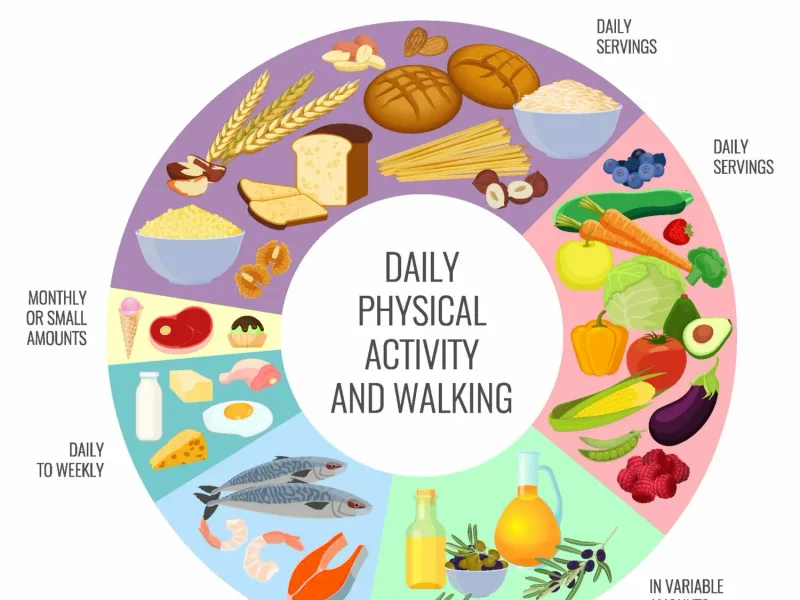
Proper nutrition is fundamental to health, especially for seniors who may have specific dietary requirements or health conditions. Investigate the meal planning and preparation process. Are meals prepared fresh on-site? Can the kitchen accommodate special dietary provisions (e.g., diabetic, low-sodium, vegetarian)?
The dining experience itself should be pleasant. Are meals served in a communal dining room? Is the food appealing and palatable? Individuals should have choices and be treated with dignity during mealtimes. Living with health challenges is genuinely hard, and good food can make a difference.
Consulting a dietitian is standard practice in reputable homes. They make sure the menu provides a balanced intake of nutrients. India faces a high burden of non-communicable diseases like diabetes and hypertension, making tailored nutritional approaches vital. For example, managing diabetes requires careful carbohydrate counting and portion control, a service a good elder care home must provide.
5. Visiting Policies and Family Involvement
Open communication and family involvement are crucial for an occupant's comfort and the family's peace of mind. Understand the establishment's visiting policies. Are families welcome to visit at reasonable hours? Are there opportunities to meet with the care team to discuss the individual's progress?
An elder care home that encourages family participation fosters a sense of continuity and support. This collaborative approach ensures that care plans align with the individual's wishes and requirements. It’s like when we plan a family gathering; everyone’s input matters.
Transparency builds trust. The best elder care homes actively seek feedback from families and occupants. This open dialogue helps address concerns promptly and strengthens the relationship between the establishment and the families it serves.
6. Cost and Financial Transparency
The cost of elder care can vary significantly. Obtain a clear breakdown of all fees and services included. be aware of what the base rate covers and what incurs additional charges. Are there different levels of support with corresponding costs?
Be wary of establishments that lack transparency regarding their pricing. Ask for a written contract detailing all financial obligations.
For example, the average cost for quality elder care in India can range from ₹30,000 to ₹70,000 per month, depending on the location and services provided. This figure highlights the importance of understanding the financial commitment.
Compare costs across different establishments. However, do not let cost be the sole determining factor. The quality of care and the well-being of your loved one should always take precedence. Sometimes, investing a bit more for a reliable and compassionate environment yields greater long-term value.
Making the Final Decision
After gathering information, the next step involves visiting potential elder care homes. Schedule tours during regular hours to observe daily routines and staff-patient interactions. Ask detailed questions and trust your instincts.
Speak with current occupants and their families if possible. Their firsthand experiences can offer invaluable insights into the establishment's strengths and weaknesses. This direct feedback is often more telling than any brochure.
Review all documentation carefully before signing any agreement. Ensure you grasp the terms of service, occupant rights, and grievance procedures. Consulting a legal advisor specializing in elder care law can prove beneficial.
Ultimately, the best elder care home in Lohardaga is one that provides a safe, nurturing, and stimulating environment where your loved one receives exceptional health assistance and feels respected and valued. It’s about finding a place that truly feels like a second home, supported by dedicated professionals.
This is where most patients struggle.
Always consult a qualified physician before making health-related decisions.
Key Takeaways
- Prioritize establishments with qualified clinical staff and low caregiver-to-patient ratios.
- Evaluate the safety, cleanliness, and comfort of the physical setting.
- Look for a vibrant activity program that encourages engagement and cognitive stimulation.
- Ensure nutritious meals are provided and special dietary requirements are met.
- Confirm transparent pricing and clear visiting policies.
Frequently Asked Questions
What is the difference between an elder care home and an assisted living facility?
An elder care home provides a higher level of clinical support, including 24/7 direct care services, for individuals with complex health needs. Assisted living facilities offer support with daily activities like bathing and dressing, alongside medication management, but typically provide fewer intensive health services.
How can I ensure the elder care home is safe?
Look for emergency call systems in rooms, secure entrances, well-maintained premises, and staff trained in emergency procedures. Observing how personnel respond to an occupant's requirements during a visit can also be telling. Adherence to safety guidelines from bodies like the WHO is a good sign.
Can I bring personal items for my loved one?
Most elder care homes encourage individuals to personalize their rooms with familiar items like photos, blankets, and comfortable clothing. This helps create a sense of familiarity and comfort. Always check the establishment's specific policy on personal belongings before moving in.
What if my loved one has specific dietary restrictions?
Reputable elder care homes either employ a dietitian or nutritionist on staff or consult with one to create menus that accommodate various dietary considerations, including those for diabetes, allergies, or religious observances. You should discuss these requirements in detail during the admission process.
The numbers don't lie.