Cocoa Powder: Unveiling its Wellness Secrets and Culinary Charms
Meena, 45, a homemaker from Jaipur, noticed her energy levels dipping significantly during the monsoon season. She often craved something sweet and comforting, a common sentiment during the damp, cooler months in India.
Her search for a healthier indulgence led her to explore the world of this dark ingredient, a versatile component often associated with rich desserts but surprisingly packed with wellness benefits. Have you ever wondered why this chocolate base, the unsung hero of chocolate, garners so much attention in the wellness community?
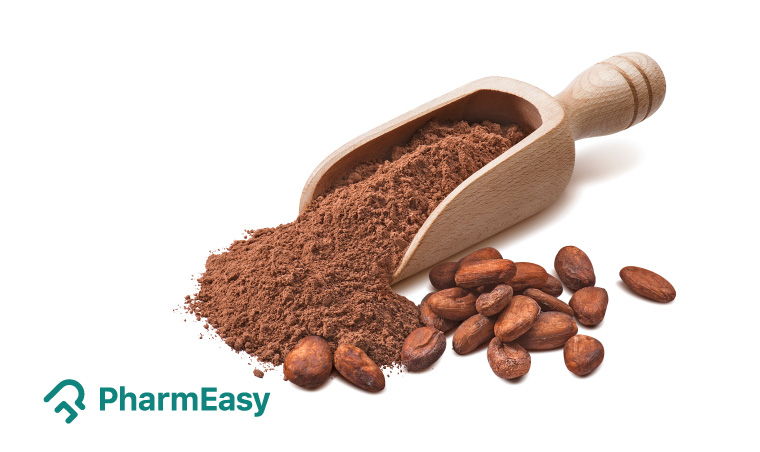
Honestly, the journey from bitter cacao bean to the finely ground dust we commonly use is fascinating. This process strips away much of the fat (cacao butter) but retains a wealth of beneficial compounds.
Its rich flavour profile makes it a favourite in kitchens across India, from traditional *modaks* during Ganesh Chaturthi to modern brownies and lattes. But beyond its deliciousness, what does science say about its impact on our well-being?
The numbers don't lie.
The Nutritional Powerhouse Within
This dark ingredient is far more than just a flavour enhancer. It’s a treasure trove of essential minerals and potent antioxidants. The primary active compounds are flavonoids, particularly flavanols like epicatechin.
These antioxidants combat oxidative stress in the body, a process linked to ageing and numerous chronic diseases. A typical serving of this unsweetened dust contains significant amounts of iron, magnesium, phosphorus, manganese, and potassium.
Worth knowing: The antioxidant capacity of cacao is remarkably high. Studies have shown it can be significantly higher than that of blueberries and green tea, two other well-known sources of antioxidants.
For instance, a standard serving (around 10-15 grams) can provide a substantial dose of these protective compounds, helping to neutralise harmful free radicals.
Heart Health: A Sweet Revelation
Perhaps the most celebrated benefit of this dark ingredient is its positive effect on cardiovascular health. The flavanols in cacao can help improve circulation by promoting the production of nitric oxide (NO) in the body. Nitric oxide signals vessels to relax, which lowers pressure.
Recovery is rarely linear.
This effect is crucial for preventing hypertension, a silent killer affecting millions. Over 101 million Indians have diabetes (ICMR, 2023), and managing cardiovascular risk factors like high pressure is paramount for this population.
Research published in esteemed journals like *The Lancet* has indicated that regular consumption of flavanol-rich cacao products can lead to reductions in pressure, particularly in individuals with existing hypertension. On top of that,, these flavanols may also elevate cholesterol levels by reducing the oxidation of LDL ('bad') cholesterol, a key step in the development of atherosclerosis.
This is particularly relevant in India, where dietary habits are evolving, and processed foods are increasingly typical.
Practically speaking, incorporating a tablespoon or two of this unsweetened dust into your daily smoothie or oatmeal can contribute positively to your heart health over time. The key is moderation and choosing unsweetened varieties to avoid added sugars.
Mood Enhancement and Cognitive Function
Does this sound familiar? You’re feeling a bit low, and a small piece of dark chocolate (made with this dark ingredient) seems to lift your spirits. This isn't just your imagination.
Cacao contains compounds that can influence mood positively. The flavanols, alongside substances like theobromine and phenylethylamine (PEA), are thought to play a role in boosting mood and even improving cognitive function.
That alone changes everything.
Theobromine, a close relative of caffeine, acts as a mild stimulant, potentially increasing alertness and focus without the jittery side effects often associated with coffee. PEA, often called the 'love drug', is released in the brain when we feel excited or in love, and its presence in cacao might contribute to feelings of well-being.
Studies suggest that consuming cacao flavanols can enhance circulation to the brain, which may elevate cognitive performance, particularly in tasks involving memory and attention. A study from the University of California, Davis, highlighted how cacao flavanols could strengthen cerebral circulation, impacting cognitive tasks.
Cocoa Powder and Diabetes Management
For individuals managing diabetes, the relationship with this dark ingredient requires careful consideration. While this unsweetened dust itself has a low impact on sugar levels due to its low carbohydrate content, the benefits are primarily linked to its flavanol content.
As mentioned, improved insulin sensitivity and circulation are potential advantages. The International Diabetes Federation (IDF) consistently emphasizes lifestyle modifications, including diet, for diabetes management.
That alone changes everything.
However, it's crucial to distinguish between pure cacao dust and commercially available chocolate products, which are often laden with sugar and fat. Consuming large amounts of sugary chocolate can counteract any potential benefits and negatively impact glucose control.
Always opt for 100% unsweetened cacao dust and use it judiciously in recipes where sugar can be controlled. Consulting with a healthcare provider or a registered dietitian is advisable for personalised dietary advice.
Skin Health: A Topical and Internal Approach
The antioxidant power of cacao extends to our skin. The flavanols can aid protect the skin against sun damage by improving circulation to the skin and increasing its density and hydration.
Some research suggests that the flavanols in cacao may benefit protect against UV-induced erythema (redness). This has led to its inclusion in some high-end skincare products.
While topical application offers benefits, consuming this dark ingredient internally can also contribute to healthier skin by fighting free radical damage from within. Imagine the dual benefit of enjoying a healthy cacao-based drink while simultaneously supporting your skin's resilience.
It’s a delicious way to enhance your body’s natural defence mechanisms.
Potential Side Effects and Considerations
Despite its numerous benefits, this dark ingredient isn't without potential downsides. Caffeine and theobromine content, while generally moderate, can cause issues for sensitive individuals.
These stimulants might lead to insomnia, anxiety, or increased rate in some people. The amount of caffeine in a typical serving of this dust is considerably less than in coffee, but it's still a factor to consider, especially if you are sensitive.
That's the part worth remembering.
Here's the thing — acidity is another concern. Cacao dust is naturally acidic.
While this doesn't usually pose a problem for most, individuals prone to heartburn or acid reflux might find that consuming cacao-based products exacerbates their symptoms. If you experience discomfort after consuming cacao, reducing your intake or avoiding it altogether might be necessary.
Heavy metal contamination is a potential chance, although often overstated for reputable brands. Some studies, including those analysed by consumer watchdogs, have detected trace amounts of heavy metals like cadmium and lead in cacao products. This is often due to the soil and environmental conditions where cacao beans are grown.
Choosing brands that are transparent about their sourcing and testing, or those certified by bodies like the USDA Organic, can enable mitigate this possibility. Organisations like the World Health Organization (WHO) monitor food safety standards globally.
On top of that,, the processing of cacao can impact its beneficial compounds. Dutch-processed (alkalized) cacao dust undergoes a treatment to neutralise its acidity, resulting in a milder flavour and darker colour. However, this process can significantly reduce the flavanol content by up to 90%.
It sounds simple. It rarely is.
For maximum wellness benefits, natural, unsweetened cacao dust is the preferred choice. This distinction is crucial for reaping the full spectrum of cacao's advantages.
Incorporating Cocoa Powder into Your Diet
Integrating this dark ingredient into your daily routine can be both simple and delicious. Beyond the classic hot chocolate or chocolate cake, think outside the box. Stir a tablespoon into your morning oatmeal or yogurt.
Blend it into smoothies for a rich, chocolaty flavour boost. Use it as a dry rub for meats like pork or beef to add a unique depth of flavour – a technique sometimes seen in barbecue cuisines.
Experiment with incorporating it into homemade energy bars or protein balls, especially if you're following a fitness regimen. You can even add a teaspoon to your chilli or mole sauce for an authentic, complex flavour profile.
Remember, the goal is to enhance flavour and nutrition without overloading on sugar or unhealthy fats. The versatility of this dust means it can be adapted to countless Indian culinary traditions with a little creativity.
Key Takeaways
- Cacao dust is rich in flavanols, potent antioxidants that combat oxidative stress.
- Regular consumption of unsweetened cacao may benefit heart health by improving circulation and lowering pressure.
- Flavanols in cacao can potentially enhance mood and cognitive function due to their effects on brain circulation and neurotransmitters.
- Choose natural, unsweetened cacao dust over Dutch-processed varieties for maximum flavanol content.
- Be mindful of potential side effects like insomnia or heartburn, and opt for reputable brands to minimise heavy metal exposure.
Always consult a qualified physician before making any medical decisions.