Understanding COPD: A Deeper Look
Chronic Obstructive Pulmonary Disease (COPD) is a progressive lung disease. It makes breathing difficult. India faces a significant burden, with millions affected annually.
We often see people struggling with persistent cough, mucus production, and shortness of breath. These signs can significantly impact daily life. Honestly, managing COPD requires a proactive approach and access to reliable care.
In Bokaro, like elsewhere in India, COPD is a growing concern. Exposure to indoor and outdoor air pollution, smoking (including bidis), and occupational dust are key contributors. Recognizing the early indicators is vital for timely intervention.
Many individuals delay seeking medical help, assuming these symptoms are just a "smoker's cough" or common allergies. This delay can lead to irreversible lung damage.
Worth knowing: Early diagnosis is crucial. It allows for interventions that can slow disease progression and enhance quality of life.
The Global Initiative for Chronic Obstructive Lung Disease (GOLD) guidelines provide a framework for diagnosis and management worldwide. Adhering to these standards ensures a consistent, high-quality approach to patient care.
Key Treatment Strategies in Bokaro
Effective COPD management focuses on several pillars: reducing exposure to irritants, using appropriate medications, pulmonary rehabilitation, and sometimes, surgical options. In Bokaro, a range of specialists and facilities are available to support these needs.
The numbers don't lie.
Medication Approaches
Bronchodilators are often the first line of therapy. These drugs support relax the airway muscles, making breathing easier. They come in short-acting forms for quick relief and long-acting forms for daily control.
In many cases, inhaled corticosteroids are prescribed alongside bronchodilators, especially for those with frequent exacerbations (flare-ups). These aid reduce inflammation in the airways. Combination inhalers, containing both a long-acting beta-agonist (LABA) and a long-acting muscarinic antagonist (LAMA), are commonly used to provide synergistic effects.
Antibiotics are used to treat bacterial infections that can trigger COPD exacerbations. Physicians may also prescribe mucolytics to thin mucus, making it easier to cough up. For severe cases, oral corticosteroids might be used short-term during acute flare-ups, though long-term use carries major side effects.
The choice of medication is highly individualized, depending on symptom severity, frequency of exacerbations, and the patient's overall health status. What should you actually do? Discuss all medication options thoroughly with your pulmonologist.
Most people overlook this completely.
Pulmonary Rehabilitation: A Proven Approach
Pulmonary rehabilitation is a cornerstone of COPD management. It is an evidence-based, multidisciplinary program. This approach aims to improve the physical and emotional condition of people with chronic breathing problems.
It typically includes exercise training, education about managing the disease, breathing techniques, and nutritional counseling. Studies published in journals like The Lancet show that pulmonary rehab can significantly reduce hospitalizations and elevate exercise tolerance.
Practically speaking, a typical pulmonary rehab program lasts several weeks. Patients learn how to exercise safely and effectively, even with limited lung function. Breathing exercises, such as pursed-lip breathing and diaphragmatic breathing, support manage shortness of breath.
Education sessions cover topics like understanding COPD, medication use, energy conservation techniques, and nutrition. Support groups are often part of the program, offering emotional support from peers facing similar challenges. Many of us have found this component incredibly valuable.
This is where most people struggle.
Oxygen Therapy
For individuals with severe COPD and low blood oxygen levels (hypoxemia), supplemental oxygen therapy is crucial. This therapy helps maintain adequate oxygen saturation in the blood, reducing strain on the heart and other organs. Long-term oxygen therapy (LTOT) has been shown to optimise survival rates in selected those affected.
India has seen increased availability of home oxygen concentrators, making this therapy more accessible. The prescription and monitoring of oxygen therapy should always be done under specialist supervision.
Surgical and Advanced Interventions
In select cases, surgical options might be considered. Lung volume reduction surgery (LVRS) involves removing damaged parts of the lung. This can aid the remaining lung tissue function better and optimise breathing.
Bronchoscopic lung volume reduction (a less invasive procedure using valves) is another option. For very advanced disease, lung transplantation may be a possibility, though it is a complex procedure with strict criteria. These advanced therapies are typically available at major medical centers and require thorough evaluation by a specialized team.
That alone changes everything.
Lifestyle Modifications: Empowering those affected
Beyond medical treatments, marked lifestyle changes are vital for managing COPD effectively. These empower individuals to take control of their health.
Smoking Cessation
Quitting smoking is the single most impactful step a smoker with COPD can take. Even after diagnosis, stopping smoking can slow disease progression. Support programs and counseling services are available in Bokaro to assist with cessation. Is there a better way? Yes, by seeking professional support to quit.
Nutritional Support
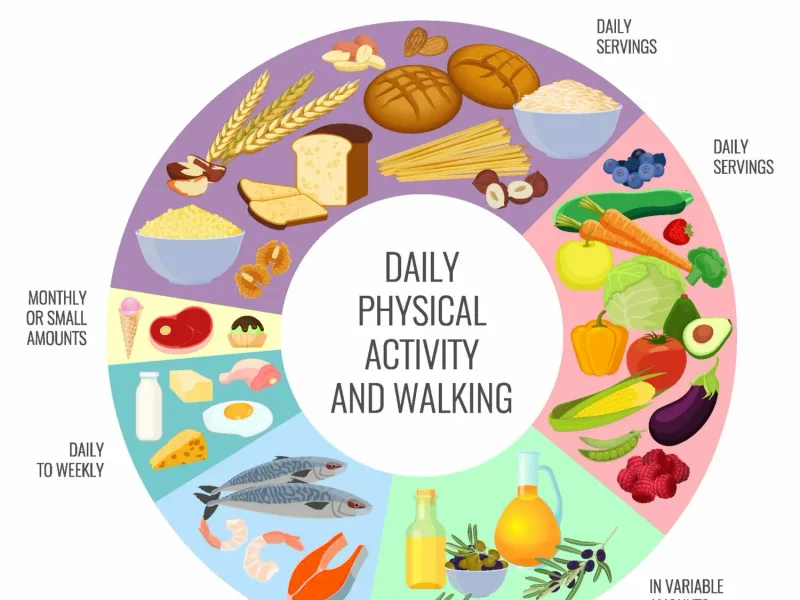
Maintaining a healthy weight and good nutrition is important. Malnutrition can weaken respiratory muscles, while obesity can increase the work of breathing. A balanced diet, rich in fruits, vegetables, and lean proteins, is recommended.
Consulting a dietitian can assist create a personalized nutrition plan. India’s diverse cuisine offers many healthy options.
Vaccinations
Preventing respiratory infections is key. Annual influenza (flu) vaccinations and pneumococcal vaccines are strongly recommended for people with COPD. These vaccines support reduce the risk of serious lung infections that can lead to hospitalization. This is a simple yet impactful preventive measure.
Environmental Control
Reducing exposure to lung irritants is paramount. This includes avoiding secondhand smoke, dust, fumes, and strong chemical odors. Using air purifiers at home can support elevate indoor air quality. For those working in dusty environments, appropriate respiratory protection is essential.
Here's where it gets interesting.
Finding Specialized Care in Bokaro
Bokaro offers access to pulmonologists and respiratory therapists who specialize in COPD care. Several hospitals and clinics are equipped to provide diagnostic services like spirometry (lung function tests) and imaging.
Collaboration between primary care physicians and specialists ensures a coordinated care plan. Remember, consistent follow-up with your healthcare provider is key to managing this chronic concern effectively.
Living with COPD is genuinely hard. The constant battle for breath can be exhausting and isolating. However, with the right therapy, support, and lifestyle changes, many people can lead fulfilling lives.
The advancements in COPD care mean that hope and improved health are within reach. Many individuals we've worked with have experienced remarkable improvements through dedicated management. The journey requires commitment, but the rewards—breathing easier and living more fully—are immense.
Most people overlook this completely.
Always consult a qualified physician before making medical decisions.
Key Takeaways
- COPD care involves medication, pulmonary rehabilitation, oxygen therapy, and lifestyle changes.
- Smoking cessation is the most crucial step for smokers with COPD.
- Pulmonary rehabilitation significantly improves exercise capacity and reduces hospitalizations.
- Preventive measures like vaccinations are vital for reducing infection danger.
- Specialized pulmonologists in Bokaro offer comprehensive COPD management.
Frequently Asked Questions
Can I still enjoy traditional Indian food with COPD?
Yes, you can enjoy traditional Indian food with COPD, but moderation and mindful choices are key. Focus on balanced meals with plenty of vegetables, lean proteins, and whole grains. Limit intake of fried foods, excessive salt, and sugar, which can exacerbate signs or contribute to other health issues like hypertension.
How often should I see a doctor for COPD?
The frequency of your doctor visits depends on the severity of your COPD and how stable your situation is. Generally, regular check-ups every 6 to 12 months are recommended. However, if you experience increased shortness of breath, more frequent coughing, or changes in mucus, you should seek medical attention sooner.
What are the signs of a COPD exacerbation?
A COPD exacerbation is a sudden worsening of your manifestations. Key indicators include increased breathlessness that isn't relieved by your usual medications, a marked increase in mucus production, and a change in the color of your mucus (often to yellow, green, or even bloody). Fever and fatigue can also accompany an exacerbation.
Is there a cure for COPD?
Currently, there is no cure for COPD. However, treatments are available to manage indicators, slow disease progression, and strengthen your quality of life. Early diagnosis and consistent adherence to a management plan, including lifestyle modifications, can significantly assist in managing the issue long-term.