Understanding COPD: A Closer Look
Chronic Obstructive Pulmonary Disease (COPD) is a progressive lung condition. It makes breathing difficult. Many of us associate it with persistent cough and breathlessness.
The reality is, COPD encompasses conditions like emphysema and chronic bronchitis. These conditions damage the lungs over time. Early diagnosis and appropriate care are vital for managing symptoms and improving quality of life for those affected in Buxar and across India.
Have you ever wondered why some people develop COPD while others don't? Genetics play a role, but environmental factors are significant. Long-term exposure to irritants like cigarette smoke—whether firsthand or secondhand—is the primary cause.
In India, biomass fuel smoke (used for cooking in many rural households) is also a major contributor, especially affecting women. Occupational dust and fumes in certain industries add to the risk.
Identifying COPD: Signs and manifestations
Recognizing the indicators of COPD is the first step toward seeking help. Common signs include:
- Persistent cough, often producing mucus (sputum).
- Shortness of breath, especially during physical activity.
- Wheezing or a whistling sound when breathing.
- Chest tightness.
- Frequent respiratory infections.
In later stages, warning signs can worsen, impacting daily activities significantly. Weight loss, fatigue, and swelling in the ankles or legs can also occur. You'll notice that these manifestations often develop gradually, making them easy to dismiss initially.
Diagnosis: The Path to Understanding
Accurate diagnosis is crucial for effective COPD management. Physicians in Buxar employ several methods.
Spirometry: The Gold Standard
Spirometry is a key diagnostic test. It measures how much air you can inhale and exhale, and how quickly you can exhale. This lung function test helps doctors assess the severity of airway obstruction. It is a simple, non-invasive procedure.
This is where most patients struggle.
Other Diagnostic Tools
Physicians may also order:
- Chest X-ray or CT Scan: These imaging tests aid visualize the lungs and identify damage like emphysema or rule out other conditions.
- Arterial Blood Gas (ABG) Test: This measures oxygen and carbon dioxide levels in your blood, indicating how well your lungs are functioning.
- Pulse Oximetry: A small device placed on the finger measures blood oxygen saturation.
The goal is to build a complete picture of your lung health.
COPD Treatment Approaches in Buxar
The primary aim of COPD therapy is to relieve manifestations, slow disease progression, and prevent exacerbations (flare-ups). While there is no cure, a well-structured approach can significantly enhance the lives of those affected.
Medications: Your First Line of Defence
Pharmacological interventions are central to managing COPD. These include:
- Bronchodilators: These medications aid relax the muscles around your airways, opening them up and easing breathing. They are often inhaled via metered-dose inhalers (MDIs) or nebulizers. Short-acting bronchodilators provide quick relief, while long-acting ones offer sustained benefit.
- Corticosteroids: Inhaled corticosteroids can reduce inflammation in the airways, particularly for individuals with frequent exacerbations. Oral steroids may be used short-term during severe flare-ups.
- Combination Inhalers: Many those affected benefit from inhalers containing a mix of bronchodilators and/or corticosteroids.
- Antibiotics: These are prescribed to treat bacterial infections that can trigger COPD exacerbations.
Your physician will tailor the medication regimen to your specific needs and disease severity.
Pulmonary Rehabilitation: A Holistic Approach
Pulmonary rehabilitation is a crucial component of COPD care, often overlooked. It is a supervised program designed to improve the physical and emotional disorder of people with chronic breathing problems. Here's the thing — it's far more than just exercise.
This program typically includes:
- Exercise Training: Tailored exercises to strengthen respiratory muscles and optimise stamina. This helps manage breathlessness during daily tasks.
- Education: Learning about COPD, managing medications, recognizing exacerbation signs, and nutritional advice.
- Breathing Techniques: Learning methods like pursed-lip breathing to aid keep airways open longer.
- Energy Conservation: Strategies to manage daily activities with less effort and breathlessness.
- Psychosocial Support: Addressing the anxiety and depression often associated with chronic illness.
Institutions like the World Health Organization (WHO) strongly advocate for pulmonary rehabilitation as a vital part of COPD management.
Oxygen Therapy: When Needed
For individuals with severe COPD experiencing dangerously low blood oxygen levels, supplemental oxygen therapy may be prescribed. This involves breathing in oxygen from a portable tank or concentrator. It can significantly elevate exercise tolerance and reduce shortness of breath. Using oxygen therapy as directed by your doctor is paramount.
Surgical Options: A Last Resort
In select cases of severe emphysema, lung volume reduction surgery (LVRS) might be considered. This involves removing small, damaged parts of the lung to support the remaining healthy parts work better. Lung transplantation is another option for very severe, end-stage COPD, though it is complex and has strict eligibility criteria.
That's the part worth remembering.
Lifestyle Modifications: Empowering Yourself
Beyond medical therapies, lifestyle changes play a vital role in managing COPD effectively. These actions empower you to take control of your health.
Smoking Cessation: The Single Most Important Step
If you smoke, quitting is the single most impactful action you can take. Support groups and counseling services are available in Buxar to assist with this challenging but vital transition. Even after years of smoking, quitting can still slow disease progression.
Healthy Diet and Nutrition
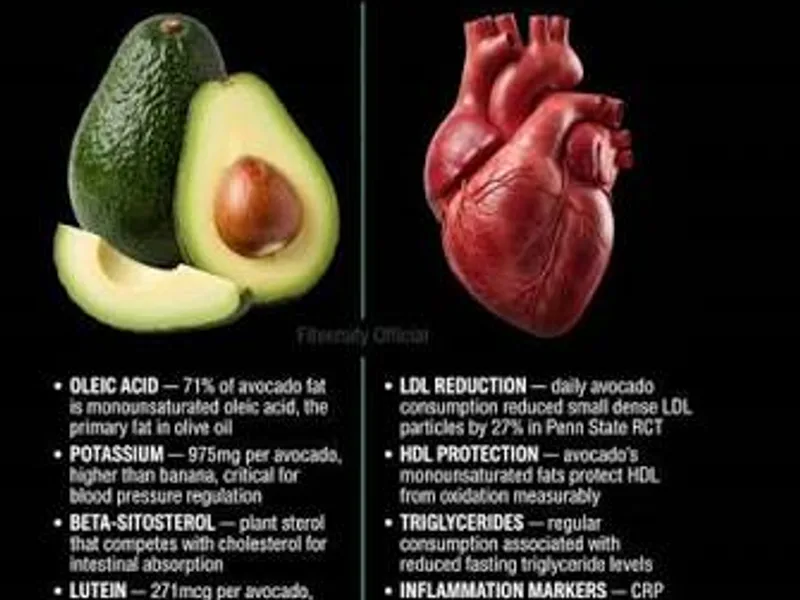
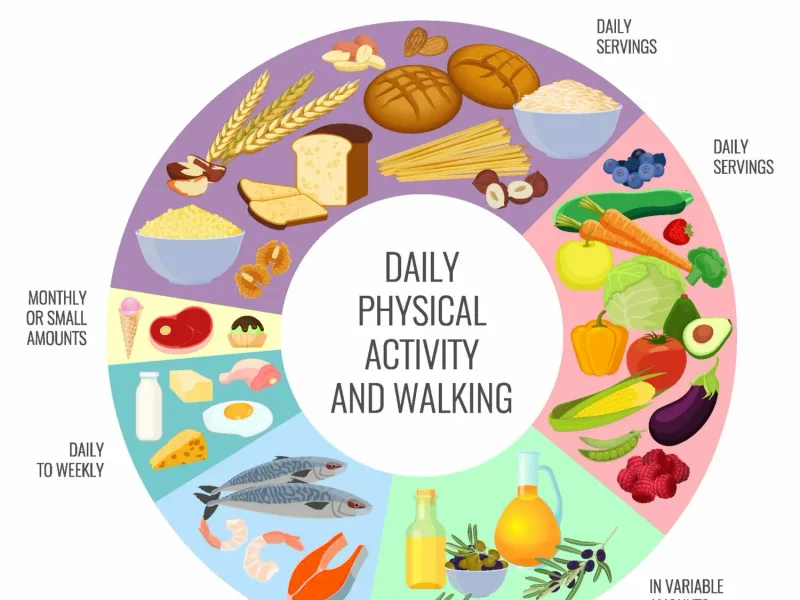
Maintaining a balanced diet is essential. COPD can increase your body's energy needs and affect appetite. Focus on nutrient-dense foods. Smaller, more frequent meals might be easier to manage if you experience breathlessness while eating. Proper hydration is also key.
Vaccinations: Preventing Infections
Getting vaccinated against influenza (flu) and pneumococcal pneumonia is crucial. These infections can trigger severe COPD exacerbations. Your physician will advise on the recommended vaccination schedule.
Home Environment Modifications
Minimizing exposure to lung irritants at home is major. This includes avoiding dust, strong fumes, and secondhand smoke. If biomass fuel is used for cooking, consider improving ventilation or exploring cleaner fuel options.
The numbers don't lie.
Finding Expert Care in Buxar
Buxar has a growing network of healthcare professionals dedicated to respiratory health. Local hospitals and clinics offer diagnostic services and consultations with pulmonologists (lung specialists).
Many physicians are well-versed in the latest WHO and Indian Council of Medical Research (ICMR) guidelines for COPD management. In many cases, accessing timely and expert care can make a notable difference in managing the issue.
Remember, living with COPD is genuinely hard, but you are not alone. With the right approach—combining medical management, rehabilitation, and lifestyle changes—it is possible to lead a more fulfilling life. Think of it like tending to a garden; consistent care and the right environment yield the best results.
Always consult a qualified physician before making medical decisions.
Frequently Asked Questions
Can I still exercise if I have COPD?
Yes, absolutely. Pulmonary rehabilitation programs include tailored exercises to aid you breathe better and build stamina. It is crucial to work with your healthcare provider to determine a safe and powerful exercise plan suited to your disorder.
Recovery is rarely linear.
What role does diet play in managing COPD?
A healthy, balanced diet provides the energy needed to combat fatigue and supports your immune system. Focusing on nutrient-rich foods and staying hydrated can support manage warning signs and enhance overall well-being. Smaller, more frequent meals may be beneficial if eating causes breathlessness.
How can I manage shortness of breath at home?
Simple breathing techniques, like pursed-lip breathing, can enable. Maintaining a calm environment, avoiding triggers like smoke or dust, and using prescribed inhalers as directed can also provide relief. Your doctor or respiratory therapist can teach you specific techniques.
Is COPD curable?
Currently, there is no cure for COPD. However, it is a manageable concern. With appropriate therapy, lifestyle changes, and regular medical follow-up, individuals can significantly boost their warning signs and quality of life.