Understanding COPD: A Growing Concern in Chhapra
Chronic Obstructive Pulmonary Disease, or COPD, is a progressive lung condition affecting millions. Many individuals often confuse it with simple coughs or mild shortness of breath; however, its severity is considerably greater.
Over time, this situation makes respiration increasingly difficult. In the Chhapra region, as in other parts of India, environmental factors such as air pollution and occupational dust exposure contribute significantly to its prevalence.
Healthcare providers frequently observe patients who have lived with chronic cough and dyspnea for years, mistakenly attributing these symptoms to normal aging or a persistent cold. Coping with this issue presents considerable challenges.
Primarily, COPD encompasses emphysema and chronic bronchitis. Emphysema involves damage to the air sacs within the lungs, while chronic bronchitis causes inflammation of the airways, leading to the accumulation of mucus.
It sounds simple. It rarely is.
Diagnosing COPD: The First Vital Step
Accurate diagnosis is crucial for effective management of COPD. Medical professionals in Chhapra employ several methods to confirm the situation. A thorough medical history and physical examination serve as initial steps.
Inquiries are made regarding a patient's smoking history and exposure to lung irritants. Auscultation of the lungs with a stethoscope can reveal abnormal sounds.
Pulmonary Function Tests (PFTs)
The cornerstone of COPD diagnosis is spirometry, a type of Lung Function Test (PFT). This non-invasive procedure quantifies the volume of air an individual can inhale and exhale, along with the speed of exhalation.
It serves as a vital instrument for assessing lung function and determining the severity of COPD. According to WHO guidelines, spirometry is essential for both diagnosis and ongoing monitoring.
Imaging and Other Tests
In some instances, imaging tests like a chest X-ray or CT scan may be ordered. These aid in ruling out other lung conditions and can indicate signs of emphysema. To assess blood gas levels, particularly during exacerbations (flare-ups), arterial blood gas tests may also be conducted, measuring O2 and carbon dioxide concentrations in the blood.
COPD Treatment Approaches in Chhapra
The objective of COPD intervention is not to cure the disease but to manage signs, slow its progression, and enhance a patient's quality of life. Physicians customize the approach based on individual needs and the disorder's severity. Optimal outcomes frequently stem from a combination of therapeutic interventions.
Most people overlook this completely.
Medications: Your First Line of Defense
Several types of medications help manage COPD signs:
- Bronchodilators: These pharmaceutical agents induce relaxation in the musculature surrounding the airways, thereby widening them to facilitate easier respiration. They are available in short-acting and long-acting forms. Short-acting versions provide rapid relief during episodes of breathlessness, while long-acting ones are utilized daily for maintenance.
- Inhaled Corticosteroids: For certain individuals, especially those experiencing frequent exacerbations, inhaled steroids can reduce airway inflammation. These are commonly used in conjunction with long-acting bronchodilators.
- Combination Inhalers: For enhanced convenience and efficacy, numerous inhaler devices combine various medications (e.g., a long-acting bronchodilator and an inhaled corticosteroid).
- Oral Medications: In specific circumstances, doctors might prescribe oral steroids or other medications like theophylline, although these often present with a higher incidence of side effects.
Respiratory Rehabilitation: A Proven Program
Respiratory rehabilitation is a vital, structured program designed to assist individuals with chronic respiratory issues. It typically incorporates exercise training, education on managing the problem, and nutritional counseling.
This approach is highly successful in strengthening respiratory muscles and improving stamina. Many specialists in the Chhapra area offer such programs, frequently in collaboration with hospitals like AIIMS Patna for advanced guidance.
O2 Therapy: For Severe Cases
If a patient's blood O2 levels are low, supplemental O2 therapy may be prescribed. This involves inhaling O2 from a tank or an O2 concentrator. Proper use, as directed by a physician, is paramount to its benefits. For individuals who experience dyspnea even with medication, O2 therapy can provide substantial relief.
Surgical Options: When Other Treatments Aren't Enough
For a limited number of sufferers with severe emphysema, surgical intervention might be an option. Lung volume reduction surgery (LVRS) involves the removal of damaged portions of the lung. Lung transplantation represents another possibility for very severe cases. These are complex procedures requiring extensive evaluation.
Recovery is rarely linear.
Lifestyle Modifications: Empowering Oneself
While medications and therapies are essential, daily habits play a crucial role. Small changes can lead to significant improvements in overall well-being. Beyond medical consultations, individuals possess major agency in managing their health, and proactive lifestyle adjustments can offer superior outcomes.
Smoking Cessation: The Single Most Important Step
For those who smoke, quitting is the single most impactful action one can take. Cessation of smoking arrests progressive lung deterioration, enabling the pulmonary system to initiate recovery.
Support networks and counseling facilities are accessible within the locality to aid this process. Even after years of tobacco use, quitting offers benefits.
Healthy Diet and Nutrition
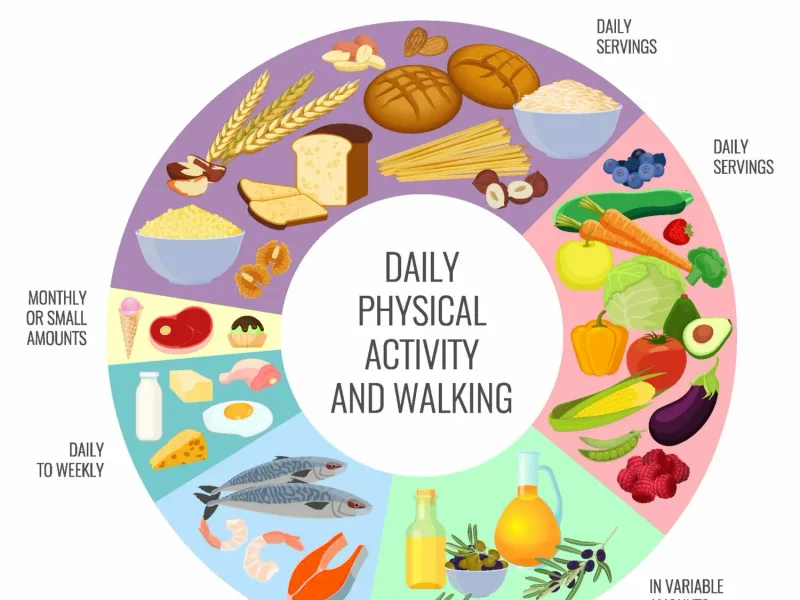
A balanced diet provides the energy needed to combat infections and support lung function. Emphasis should be placed on whole grains, lean proteins, fruits, and vegetables. Processed foods and excessive sugar ought to be avoided. Adequate nourishment assists in weight management, a factor crucial for unobstructed respiration.
Regular Exercise
Engage in gentle, regular physical activity as recommended by a healthcare provider. Activities such as ambulation, light stretching, and specific respiratory maneuvers can fortify the musculature involved in respiration. Consistency holds greater importance than intensity. Even simple movements benefit boost stamina.
Avoiding Lung Irritants
Minimize exposure to secondhand smoke, air pollution, chemical fumes, and dust. use air purifiers at home if necessary. Wearing a mask when outdoors during periods of high pollution is also advisable. Safeguarding the respiratory organs from additional injury holds paramount importance.
It sounds simple. It rarely is.
Preventing COPD Exacerbations
Exacerbations, or flare-ups, are periods when warning signs worsen suddenly. These can be life-threatening events.
Prevention necessitates strict adherence to the prescribed therapy regimen and avoidance of known triggers. Prompt medical intervention is facilitated by early identification of indicators such as heightened coughing, increased mucus production, or respiratory distress.
Vaccinations: A Simple Shield
Receiving vaccinations against influenza (flu) and pneumococcal pneumonia is vital. Such infections pose notable risks for individuals afflicted with COPD. A doctor will advise on the recommended vaccination schedule. This practice can be likened to routine vehicle maintenance – an essential preventative measure!
Finding Specialized Care in Chhapra
The region boasts an expanding array of healthcare institutions and specialists committed to respiratory well-being. Numerous clinics and hospitals provide consultations with pulmonologists (specialists in lung conditions). individuals should seek facilities that emphasize personalized care plans and use modern diagnostic tools.
One may request a referral from their primary care physician. Accessing timely and expert care is key to managing COPD effectively.
Living Well with COPD
Although living with COPD poses difficulties, it does not preclude an active lifestyle. Through appropriate care, supportive measures, and lifestyle modifications, numerous individuals achieve substantial improvements in daily function and a superior quality of life.
And yet, so many people miss it.
those affected are encouraged to use available support networks, prioritize manageable aspects, and maintain close collaboration with their healthcare providers. The capacity for resilience among those affected is noteworthy.
Frequently Asked Questions
Can I eat rice if I have COPD?
Yes, consuming rice is generally permissible. Maintaining a balanced diet is crucial for all individuals, including those with chronic obstructive pulmonary disease. Focus on portion control and ensure the overall diet includes plenty of vegetables, fruits, and lean proteins. Consult a doctor or a dietitian for personalized dietary advice.
What are the early signs of COPD?
Initial indicators frequently encompass a persistent cough (colloquially termed 'smoker's cough'), elevated mucus production, and mild exertional dyspnea. Many individuals initially disregard these warning signs. Paying attention to these subtle changes can lead to earlier diagnosis and improved outcomes.
Are respiratory exercises really helpful for COPD?
Indeed. Targeted respiratory exercises, such as diaphragmatic and pursed-lip respiration, constitute a fundamental component of respiratory rehabilitation.
These techniques assist in moderating the respiratory rate, lessening the effort of respiration, and optimizing the transfer of respiratory gases. Practicing them regularly can significantly enhance one's ability to manage breathlessness.
Here's where it gets interesting.
Can COPD be cured completely?
Presently, no curative management exists for COPD; nevertheless, it is a issue amenable to successful management. With appropriate care, lifestyle adjustments, and consistent medical care, the progression of the disease can be slowed, signs can be controlled, and one's quality of life can be greatly enhanced.
The focus remains on management and improvement, rather than complete eradication.
Always consult a qualified physician before making medical decisions.