Understanding COPD in East Singhbhum
Chronic Obstructive Pulmonary Disease (COPD) affects millions, and East Singhbhum is no exception. This progressive lung condition makes breathing increasingly difficult. Have you ever wondered why some people develop this issue while others don't?
Exposure to irritants like cigarette smoke and air pollution are key culprits. We often see patients whose lives are significantly impacted by COPD.
Practically speaking, COPD is an umbrella term. It covers conditions like emphysema and chronic bronchitis. Emphysema damages the air sacs in your lungs. Chronic bronchitis causes long-term inflammation of the bronchial tubes. Both lead to airflow obstruction.
Symptoms and Diagnosis in East Singhbhum
Recognising the signs is vital for timely intervention. Persistent coughing, often with mucus production, is a primary indicator. Shortness of breath, especially during physical activity, is another common symptom. Wheezing and chest tightness also frequently occur. Many of us have experienced a persistent cough that just won't quit.
Diagnosis typically involves a thorough medical history and physical examination by a physician. Specialists in East Singhbhum utilise lung function tests, like spirometry, to assess lung capacity and airflow. Spirometry measures how much air you can inhale and exhale, and how quickly you exhale.
The numbers don't lie.
This is a crucial step in confirming COPD and determining its severity. For instance, a forced expiratory volume in one second (FEV1) below 70% often indicates significant airflow limitation, as per GOLD guidelines (Global Initiative for Chronic Obstructive Lung Disease).
The Role of Specialists
Consulting with pulmonologists—specialists in lung diseases—is paramount. These doctors possess the expertise to accurately diagnose and manage COPD.
They can differentiate COPD from other respiratory ailments, ensuring the correct treatment plan. In real-world terms, early diagnosis by a qualified specialist can dramatically alter a patient's prognosis.
Effective COPD care Approaches
The goal of COPD therapy is to manage manifestations, reduce exacerbations (flare-ups), and improve quality of life. There is no cure, but reliable management can significantly enhance daily living.
Medications: Your First Line of Defence
Bronchodilators are commonly prescribed. These medications relax the muscles around your airways, opening them up. They come in short-acting forms for quick relief and long-acting forms for daily control. Inhaled corticosteroids are also used, particularly for those with frequent exacerbations.
These reduce airway inflammation. Antibiotics may be prescribed during flare-ups if a bacterial infection is suspected. India has 77 million diabetics (IDF, 2023), highlighting the burden of chronic diseases, and COPD adds to this major health challenge.
It sounds simple. It rarely is.
Pulmonary Rehabilitation: A Holistic Approach
Pulmonary rehabilitation is a cornerstone of COPD care. This supervised program typically includes exercise training, education on managing the concern, breathing techniques, and nutritional counselling. Honestly, the impact of these programs is profound.
Participants learn strategies to conserve energy and cope with breathlessness. A study published in The Lancet Respiratory Medicine showed that pulmonary rehabilitation can significantly optimise exercise tolerance and reduce hospital readmissions for COPD those affected.
Oxygen Therapy
For individuals with severe COPD and low blood oxygen levels, supplemental oxygen therapy is vital. This involves breathing in oxygen from a tank or concentrator.
It helps maintain adequate oxygen levels in the blood, reducing strain on the heart and improving overall function. This therapy is often a life-sustaining intervention for many affected individuals.
Lifestyle Modifications: Empowering Yourself
Quitting smoking is the single most impactful step anyone with COPD can take. Physicians in East Singhbhum strongly advise this.
Avoiding exposure to secondhand smoke and other lung irritants, like dust and fumes, is also crucial. Maintaining a healthy diet and staying physically active, as advised by your doctor, further strengthens your body's ability to cope.
Vaccinations: Protecting Against Infections
People with COPD are more vulnerable to respiratory infections like influenza and pneumonia. Annual flu shots and pneumococcal vaccinations are strongly recommended by health organisations, including the WHO. These immunisations help prevent serious complications that could worsen COPD.
This is where most people struggle.
COPD Management in East Singhbhum: Local Resources
East Singhbhum offers various healthcare facilities and specialists equipped to manage COPD. Jamshedpur, the district's main city, has several hospitals and clinics with pulmonology departments.
These centres provide diagnostic services, medication management, and access to rehabilitation programs. The Indian Council of Medical Research (ICMR) emphasizes the need for accessible chronic disease management across India, a principle reflected in the healthcare services available here.
Finding a Specialist
When seeking care, look for pulmonologists or respiratory therapists. Many private hospitals and some government health centres in and around Jamshedpur offer specialised respiratory care. Don't hesitate to ask your primary care physician for a referral. Local health camps sometimes offer free or subsidised screening and consultation services.
Support Groups and Community Resources
Living with a chronic problem like COPD can be isolating. Connecting with others facing similar challenges can provide immense emotional support.
While formal support groups may vary in availability, community health initiatives sometimes facilitate peer support. The AIIMS (All India Institute of Medical Sciences) network also promotes patient education and support resources nationwide.
Living Well with COPD
Coping with COPD requires a proactive approach and a strong support system. Here's the thing — managing your problem is a journey, not a destination. Regular follow-ups with your physician are essential to adjust your management plan as needed. Adherence to prescribed medications and therapies is key to preventing disease progression.
Here's where it gets interesting.
What should you actually do? Educate yourself about your situation. Learn to recognise early warning signs of an exacerbation and know when to seek immediate medical assist.
Simple breathing exercises, like pursed-lip breathing, can offer relief during breathless episodes. This technique helps to slow down your breathing rate and keep airways open longer. Practically speaking, mastering these techniques can empower you during challenging moments.
Maintaining a positive outlook is also incredibly important. While COPD presents major challenges, many individuals lead fulfilling lives with proper management. Engaging in hobbies, maintaining social connections, and seeking emotional support contribute to overall well-being. Remember, you are not alone in this journey.
Diet and Nutrition
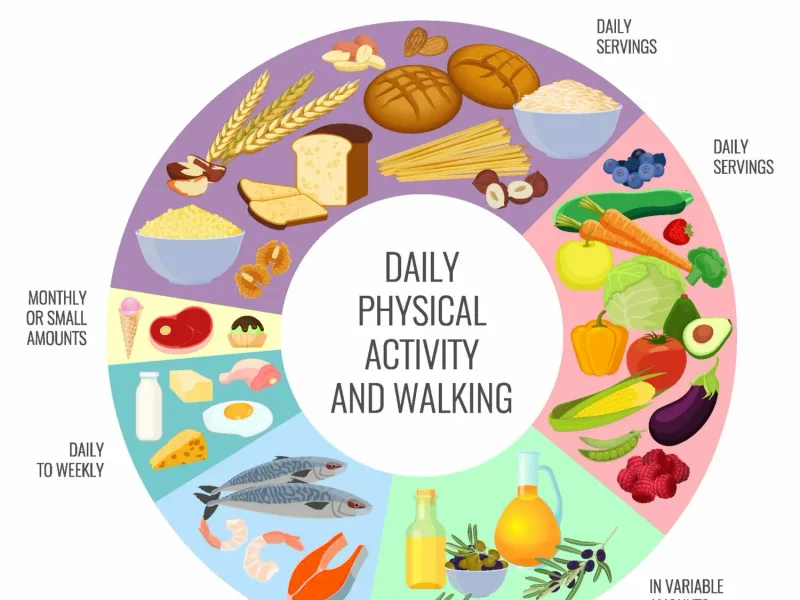
A balanced diet supports overall health and can aid maintain muscle strength, including the muscles used for breathing. Some individuals with COPD may experience unintended weight loss. Consulting a registered dietitian can enable create a personalised meal plan.
Adequate hydration is also essential for thinning mucus, making it easier to clear from the airways. Have you ever wondered why nutrition plays such a vital role in recovery?
Travel and Social Life
With careful planning, travel and social activities remain possible. Discuss your travel plans with your doctor, especially if oxygen therapy is required.
Ensure you have adequate medication supplies and understand how to manage your disorder in different environments. Staying connected with friends and family provides crucial emotional support and combats feelings of isolation.
Recovery is rarely linear.
Key Takeaways
- COPD is a progressive lung disease requiring ongoing management.
- Diagnosis involves lung function tests like spirometry.
- therapy includes bronchodilators, corticosteroids, pulmonary rehabilitation, and potentially oxygen therapy.
- Lifestyle changes, especially smoking cessation, are crucial.
- Vaccinations enable prevent serious respiratory infections.
Frequently Asked Questions
Can I still exercise if I have COPD?
Yes, exercise is highly recommended as part of pulmonary rehabilitation. Gentle exercises, tailored to your ability, can strengthen breathing muscles and enhance stamina. Always consult your doctor before starting any new exercise program.
What is the most notable lifestyle change for COPD?
The most crucial lifestyle change is quitting smoking. If you don't smoke, avoiding exposure to secondhand smoke and other lung irritants is equally vital. This single step can significantly slow disease progression and enhance your quality of life.
How often should I see a doctor for COPD?
The frequency of doctor visits depends on the severity of your COPD and how well it's controlled. Generally, regular check-ups every 3-6 months are recommended. Your physician will advise on the optimal schedule based on your individual needs.
Always consult a qualified physician before making medical decisions.