Understanding COPD in Purnia
Chronic Obstructive Pulmonary Disease (COPD) impacts numerous individuals within our community. This condition is a progressive lung ailment, making respiration challenging. One might inquire why certain individuals experience difficulty drawing a full breath.
This disease frequently progresses slowly, and by the time clinical manifestations become apparent, substantial pulmonary impairment may have already occurred. In the region of Purnia, much like other parts of India, COPD represents a significant public health concern, frequently associated with elements such as both indoor and outdoor atmospheric pollutants, alongside tobacco smoking.
Consider the analogy: the lungs operate as an intricate network of minute air sacs, known as alveoli. With COPD, these alveoli can sustain damage and lose their elasticity, while the airways may become inflamed and constrict.
This structural alteration impedes the free flow of air both into and out of the lungs. Managing this disorder presents genuine difficulties, as individuals are commonly observed struggling with everyday tasks due to dyspnea (shortness of breath).
Most people overlook this completely.
Key Clinical Indicators and Diagnosis
Identifying the signs of COPD constitutes the initial stride toward seeking appropriate medical assistance. Common indicators encompass:
- A persistent cough, frequently accompanied by mucus (phlegm) production
- Dyspnea, particularly noticeable during physical exertion
- Wheezing, described as a whistling sound heard during respiration
- A sensation of chest tightness
- Recurrent respiratory infections
In many instances, these manifestations are misinterpreted as typical effects of aging or attributed to other less severe medical conditions. Prompt diagnosis is paramount for effective management. Medical practitioners in this area employ various diagnostic instruments.
Pulmonary function tests (PFTs), such as spirometry—a non-invasive test measuring how much air a person can inhale and exhale, and how quickly air can be exhaled—are critically important. To exclude other pathologies and determine the extent of lung damage, chest X-rays and computed tomography (CT) scans may also be utilized.
Treatment Approaches in the Purnia Region
The primary objectives of COPD therapy involve alleviating clinical manifestations, decelerating disease progression, and enhancing an individual's quality of life. While COPD is currently incurable, successful management strategies can significantly improve overall well-being.
Several therapeutic approaches are readily accessible within the locale.
Medications: The Initial Therapeutic Strategy
Healthcare providers routinely prescribe pharmaceutical agents for COPD management. These treatments function to dilate airways and diminish inflammation.
- Bronchodilators: These pharmacological agents induce relaxation of the musculature encircling the airways. This action causes them to widen, thereby facilitating easier airflow. They are administered via inhalers or nebulizers. Short-acting bronchodilators offer rapid relief, whereas long-acting formulations are intended for sustained daily control.
- Corticosteroids: Inhaled corticosteroids are utilized to mitigate airway inflammation. They prove particularly beneficial for patients experiencing frequent exacerbations (acute worsening of symptoms). The attending physician will determine the most suitable steroid for the individual's disorder.
- Combination Inhalers: Numerous inhaler devices integrate both a bronchodilator and a corticosteroid. This offers enhanced convenience and addresses multiple facets of COPD pathophysiology.
- Antibiotics: These medications are employed for the management of bacterial infections, which possess the potential to substantially exacerbate COPD clinical indicators.
The selection of medication hinges on the severity of the individual's situation and their unique physiological response. Medical professionals at leading healthcare institutions in the district, adhering to World Health Organization (WHO) guidelines, meticulously customize these prescriptions.
Here's where it gets interesting.
Pulmonary Rehabilitation: Restoring Respiratory Function
Pulmonary rehabilitation constitutes a foundational element of COPD management. This structured program is specifically designed to assist individuals afflicted with chronic respiratory difficulties in ameliorating their physical and emotional health. It typically incorporates:
- Exercise Training: Supervised exercise regimens strengthen respiratory musculature and boost physical endurance. Even modest physical activities, when performed correctly, can yield substantial benefits.
- Education: Acquiring knowledge about COPD, its management protocols, and the correct administration of medications is fundamental. A thorough understanding of one's disorder empowers self-management.
- Breathing Techniques: Learning specific methods, such as pursed-lip breathing—a technique involving slow, controlled exhalation through nearly closed lips—can aid in managing dyspnea.
- Nutritional Counseling: Appropriate nutrition is crucial for maintaining energy levels and fostering overall health.
- Psychological Support: Navigating life with a chronic illness can be emotionally demanding. Support groups and counseling services are frequently integrated into these programs.
These programs are highly powerful in bolstering confidence and enabling sufferers to lead more active lives. Practically, participants commonly report an enhanced ability to ambulate further and accomplish daily tasks with reduced difficulty.
Supplemental Oxygen Therapy: Essential Respiratory Support
For individuals presenting with severe COPD and diminished blood oxygen saturation levels, supplementary oxygen administration becomes indispensable. This intervention involves inhaling medical oxygen supplied from a portable tank or a specialized machine that extracts oxygen from ambient air. It can significantly enhance exercise tolerance and alleviate the sensation of breathlessness.
Correct usage, as instructed by medical specialists, is paramount for ensuring both patient safety and therapeutic efficacy. those affected frequently experience a discernible improvement in their energy levels with consistent oxygen provision.
That alone changes everything.
Surgical Options: When Other Treatments Are Insufficient
In carefully selected circumstances, surgical intervention may be considered. Lung volume reduction surgery (LVRS) entails the excision of small, damaged segments of the lung.
This procedure facilitates improved function of the remaining pulmonary tissue and allows the diaphragm to operate with greater efficiency. Lung transplantation represents another viable option for highly severe cases, though it is a complex procedure necessitating rigorous evaluation.
Lifestyle Modifications: Enabling Patient Self-Care
Beyond prescribed medical treatments, alterations in lifestyle are indispensable for proven COPD management. These represent some of the most straightforward, yet profoundly impactful, measures individuals can undertake.
Smoking Cessation: The Foremost Critical Action
For individuals who smoke, discontinuing tobacco use is the single most vital action to impede the progression of COPD. Support services are available locally to assist with cessation. This measure is non-negotiable for improving pulmonary health.
Avoiding Environmental Pollutants
Minimizing exposure to atmospheric pollution, particulate matter, chemical fumes, and passive smoke is essential. The use of air purifiers at home is advisable if necessary. Wearing a protective mask outdoors during periods of elevated pollution can also contribute to safeguarding the lungs.
This is where most those affected struggle.
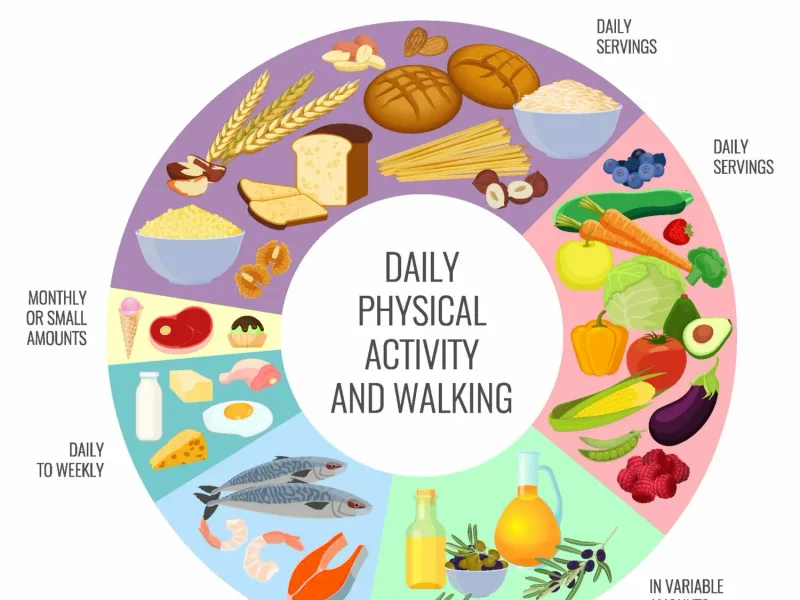
Balanced Nutrition and Physical Activity
Maintaining a well-balanced diet furnishes the requisite energy to combat the disease. Regular, moderate physical activity, as advised by one's healthcare provider, strengthens the body. This approach can be likened to nurturing a garden; consistent attention yields optimal outcomes.
Immunizations
Receiving vaccinations against influenza (the flu) and pneumococcal pneumonia is strongly advocated. These infectious illnesses pose particular risks and can be especially hazardous for individuals with COPD.
Accessing Expert Care in the Purnia Region
The district boasts several healthcare facilities and clinics that provide specialized care for respiratory conditions. Leading hospitals and private medical practices are equipped with advanced diagnostic tools and staffed by experienced pulmonologists. It is imperative not to hesitate in seeking professional medical consultation.
Early intervention and consistent management, under the guidance of qualified physicians, offer the most favorable prognosis. Institutions such as AIIMS, Patna, frequently collaborate with local healthcare providers, thereby disseminating advanced medical knowledge throughout the area.
The numbers don't lie.
Living with COPD presents distinct challenges, yet with an appropriate strategic approach, numerous individuals can lead fulfilling lives. The fundamental elements include early detection, unwavering adherence to prescribed intervention regimens, and proactive lifestyle choices.
Should one ever feel overwhelmed by medical information, it is meaningful to remember that a trusted physician serves as the most crucial ally.
Always consult a qualified physician before making medical decisions.
Frequently Asked Questions
What is the primary etiology of COPD?
The principal cause of COPD is prolonged exposure to irritants that induce pulmonary damage. In India, this most commonly involves cigarette smoking, though exposure to biomass fuel smoke (utilized for domestic cooking in many households) and ambient air pollution are also substantial contributing factors.
Is complete remission of COPD achievable?
Currently, a definitive cure for COPD does not exist. Nevertheless, therapeutic interventions and lifestyle adjustments can effectively manage clinical manifestations, retard the advancement of the disease, and significantly elevate the quality of life for affected individuals.
How does dietary intake influence COPD?
A healthy, well-balanced diet supplies vital nutrients that aid in sustaining energy levels and bolster the immune system, which is especially critical for individuals living with COPD. Malnutrition or conditions of obesity can exacerbate respiratory difficulties and heighten the susceptibility to infections.
The numbers don't lie.
When should immediate medical attention be sought for COPD?
Urgent medical care should be pursued if a sudden and severe intensification of dyspnea, chest pain, confusion, or cyanosis (a bluish or grayish discoloration of the lips or fingernails) is experienced. These indicators may signify a serious exacerbation or a critical complication.