Understanding COPD: A Growing Concern in India
Chronic Obstructive Pulmonary Disease (COPD), a progressive condition affecting the lungs, progressively impedes an individual's ability to breathe. In India, its prevalence is considerable, impacting millions of people. In fact, the true number may be higher due to underdiagnosis.
Begusarai, like many cities across India, confronts its own set of challenges related to respiratory health. This ailment encompasses both emphysema and chronic bronchitis. Symptoms often worsen over time if the problem remains unmanaged.
Key signs and Diagnosis of COPD
Early identification of COPD is vital for effective management. Common indicators include a persistent cough, frequently accompanied by mucus production. Shortness of breath, particularly during physical exertion, serves as another crucial sign.
Individuals may also experience wheezing and tightness in the chest. When these warning signs arise, seeking prompt professional advice is essential.
A diagnosis typically involves a thorough health history review and a physical examination. Healthcare providers will auscultate the lungs for any unusual sounds. Spirometry, a test measuring lung function, stands as the definitive method for confirming COPD.
Recovery is rarely linear.
This procedure assesses the volume of air an individual can inhale and exhale, as well as the speed of exhalation. Often, imaging studies such as chest X-rays or CT scans are utilized to rule out other conditions or to gauge the extent of lung impairment. According to the Global Initiative for Chronic Obstructive Lung Disease (GOLD) guidelines, early detection facilitates timely intervention, thereby significantly enhancing patient outcomes.
Approaches to Managing COPD in Begusarai
Management strategies for COPD concentrate on alleviating indicators, preventing exacerbations (often referred to as flare-ups), and improving overall quality of life. A comprehensive strategy is typically employed.
Pharmacological Therapies
Medicines are fundamental to controlling COPD. Specialists prescribe these based on the severity of signs and individual requirements.
- Bronchodilators: These pharmaceutical agents relax the muscles encircling the airways, helping to widen them and ease respiration. They frequently represent the initial course of action. Short-acting bronchodilators offer rapid relief from breathlessness, while long-acting versions provide sustained control.
- Inhaled Corticosteroids (ICS): For individuals experiencing frequent flare-ups, ICS may be prescribed. These agents assist in reducing airway inflammation. They are often used in conjunction with long-acting bronchodilators. The World Health Organization (WHO) advises their careful application to minimize potential adverse effects.
- Combination Inhalers: Many patients find benefit from inhalers that contain both a long-acting bronchodilator and an inhaled corticosteroid. Such devices simplify the regimen for controlling the disorder.
- Antibiotics: These are administered to combat bacterial infections, which can trigger COPD exacerbations. Infections have the potential to significantly worsen indicators and necessitate hospitalization.
- Oral Corticosteroids: Prescribed for short durations during severe flare-ups, these reduce airway inflammation. Long-term use is generally avoided due to the risk of side effects.
Respiratory Rehabilitation
Respiratory rehabilitation represents a vital non-pharmacological strategy. This outpatient program is specifically designed to aid individuals experiencing chronic respiratory difficulties. It offers a structured path to regain physical capacity and better manage daily activities. The program commonly incorporates:
- Exercise Training: Customized exercises strengthen the respiratory muscles and enhance endurance. This enables individuals affected by COPD to perform everyday tasks with reduced effort.
- Education: Gaining knowledge about COPD, its control, and how to avoid triggers is essential. sufferers thereby achieve greater command over their problem.
- Breathing Techniques: Learning specific methods can effectively help manage shortness of breath. Pursed-lip breathing is one such proven technique.
- Nutritional Counseling: Maintaining a healthy body weight is important for energy levels and immune system function.
- Psychosocial Assistance: Coping with a chronic illness can be demanding. Peer groups and counseling sessions aid address emotional well-being.
Institutions such as the All India Institute of Medical Sciences (AIIMS) strongly advocate for respiratory rehabilitation as a core element of COPD care. Its advantages include fewer hospital readmissions and improved exercise tolerance.
Most people overlook this completely.
Supplemental Oxygen
For those with severe COPD and dangerously diminished blood oxygen levels, supplementary oxygen administration is prescribed. This involves inhaling concentrated oxygen from a tank or machine. It can markedly improve survival rates and overall life quality.
Physicians determine the necessity for additional oxygen based on measurements of blood oxygen saturation. A dependable supply of this gas is crucial for those affected requiring such intervention.
Surgical Options
In select circumstances, particularly for advanced emphysema, surgical intervention might be considered. Lung volume reduction surgery (LVRS), a procedure to remove damaged portions of the lung, allows the remaining healthy lung tissue to function more efficiently.
Lung transplantation presents another possibility for extremely severe cases. These are intricate operations typically conducted at specialized centers.
Lifestyle Adjustments for COPD Management
Beyond pharmaceutical interventions, lifestyle modifications are paramount for effectively managing COPD. Incorporating these habits can lead to a considerable improvement.
- Smoking Cessation: Quitting tobacco use is the single most critical action any individual with COPD can undertake. Smoking is the primary cause of COPD in India, responsible for over 90% of cases. Local programs in Begusarai can provide assistance for cessation.
- Avoid Air Pollution: Exposure to environmental pollutants, dust, and fumes can exacerbate indicators. Wearing masks in areas with poor air quality is advisable. Indoor air quality also holds significance.
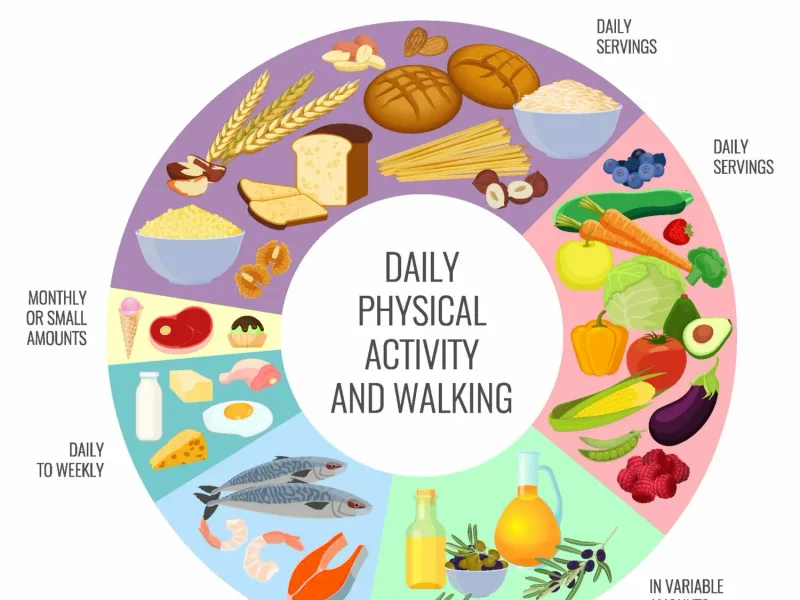
- Healthy Diet: A balanced diet rich in fruits and vegetables promotes overall health. Proper nourishment helps sustain energy levels and combat infections. India has 77 million individuals with diabetes (IDF, 2023), emphasizing the importance of managing co-existing conditions.
- Regular Vaccination: Annual influenza shots and pneumococcal immunizations are crucial. They aid in preventing respiratory infections that pose a significant chance to those with COPD. The Indian Council of Research (ICMR) endorses these vaccinations.
- Physical Activity: As tolerated, consistent physical activity helps maintain muscle strength and lung function. It is advisable to consult a physician before initiating any new exercise regimen.
Locating Specialists in Begusarai
Identifying appropriate healthcare providers is essential. Begusarai features a growing number of hospitals and clinics that offer respiratory care. Individuals should seek pulmonologists—physicians specializing in diseases of the lungs. These experts are best equipped to diagnose and oversee COPD.
Many multi-specialty hospitals in the region house dedicated pulmonology departments. Online platforms and local directories can assist in locating qualified professionals. those affected should not hesitate to request referrals from their general practitioner.
Most people overlook this completely.
Worth keeping in mind: access to advanced diagnostic tools and specialized interventions may vary. Discussing all available options with a physician is crucial. While individuals sometimes travel to larger cities for highly specialized procedures, local care is continuously improving.
The Importance of Early Action and Patient Assistance
Early diagnosis and consistent adherence to prescribed regimens are vital for living with COPD. Individuals should actively engage with their healthcare team. Patient peer groups can offer invaluable emotional and practical guidance.
Sharing experiences with others facing similar difficulties can be empowering. Managing COPD is best viewed as a sustained effort rather than a quick fix.
The Lancet has published numerous studies highlighting the advantages of integrated care models for chronic respiratory illnesses. These models prioritize patient education and self-management, enabling individuals to assume a more proactive role in their well-being.
This forward-thinking approach strengthens the patient-physician relationship, fostering trust and improving compliance with therapy.
Living with COPD undeniably presents difficulties, yet with the appropriate care and assistance, individuals can lead fulfilling lives. The primary goal is to manage the disorder, prevent further decline, and preserve the best possible lung function.
Recovery is rarely linear.
Consistent follow-up with a specialist ensures that the plan for managing the concern remains optimal.
Key Takeaways
- Managing COPD in Begusarai involves a combination of medications, respiratory rehabilitation, and lifestyle adjustments.
- Quitting smoking is the single most critical step for individuals diagnosed with COPD.
- Respiratory rehabilitation programs have demonstrated effectiveness in enhancing exercise capacity and reducing hospitalizations.
- Early diagnosis and consistent clinical follow-up are vital for impactful COPD management.
- Consult specialists, such as pulmonologists, for expert diagnosis and personalized plans for care.
Frequently Asked Questions
Can I still work if I have COPD?
Yes, many individuals living with COPD can continue their employment, particularly if their disorder is well-managed. Adjustments to the work environment or schedule may become necessary. Discuss potential accommodations with your physician and employer.
What are the warning signs of a COPD exacerbation?
Warning signs include increased breathlessness, more frequent or severe coughing, and changes in mucus production (such as color or thickness). Immediate clinical attention should be sought if these manifestations are experienced.
Are there any home remedies for COPD symptom relief?
While home remedies cannot substitute professional care, certain practices may offer comfort. These include maintaining hydration, utilizing a humidifier, and practicing respiratory exercises learned in rehabilitation. Always discuss any new remedies with a physician.
How often should I see a doctor for COPD?
The frequency of physician visits depends on the severity of COPD and the individualized management plan. Generally, regular check-ups every 3-6 months are recommended. A specialist will advise on the most suitable schedule.
The numbers don't lie.
Always consult a qualified physician before making health-related decisions.