Your Guide to Diabetes Care in Sheohar
Managing diabetes effectively is vital for long-term health and well-being. For those living in Sheohar, finding a specialized diabetes clinic can make a significant difference. These centers offer focused care, expert advice, and access to the latest management strategies.
We understand that navigating healthcare options can be challenging. This guide aims to illuminate the importance of dedicated diabetes care and what to expect from a leading clinic in your area.
Why a Specialized Diabetes Clinic Matters
Diabetes is a chronic condition requiring ongoing attention. A specialized clinic provides a multidisciplinary approach. This means you get input from various healthcare professionals under one roof.
What most people miss: general practitioners may not have the in-depth knowledge required for complex cases. Here's the thing — endocrinologists, dietitians, and diabetes educators work collaboratively.
Expert Medical Supervision
Physicians at a diabetes clinic possess specialized training. They know the intricacies of different diabetes types (Type 1, Type 2, Gestational). This expertise enables them to create tailored treatment plans. They monitor your progress closely, adjusting therapy as needed. This proactive approach helps prevent complications.
Personalized therapy Plans
No two individuals with diabetes are exactly alike. Your lifestyle, genetics, and response to medication all play a role. A clinic's approach focuses on your unique needs. They consider your diet, activity levels, and personal goals. This ensures the care you receive is both relevant and impactful.
That's the part worth remembering.
Access to Advanced Therapies
Medical science is constantly evolving. Leading clinics stay updated on new medications and technologies. This might include advanced insulin delivery systems or continuous glucose monitoring (CGM) devices. Access to these innovations can significantly improve quality of life and glycemic control.
Education and Support
Understanding diabetes is empowering. Clinics offer vital education on self-management. This covers topics like blood sugar monitoring, healthy eating, and foot care. Support groups and counseling are often available too. Living with this is genuinely hard, and community support is crucial.
What to Look for in a Sheohar Diabetes Clinic
When selecting a clinic, consider several key factors. The quality of care directly impacts your health outcomes. Have you ever wondered why? A well-equipped facility ensures you receive the best possible support.
Experienced Specialists
Look for clinics with board-certified endocrinologists and diabetologists. These specialists have dedicated years to understanding and treating diabetes. Check their credentials and experience. The American Diabetes Association (ADA) emphasizes the importance of specialist care.
This is where most patients struggle.
Comprehensive Services
A good clinic offers more than just doctor's appointments. They should provide access to:
- Dietitians or nutritionists for meal planning.
- Diabetes educators for self-management training.
- Podiatrists for foot care.
- Ophthalmologists for eye screenings.
- Counselors for emotional support.
Such integrated services streamline your healthcare journey.
State-of-the-Art Technology
Modern diagnostic tools are vital. This includes advanced lab equipment for accurate blood tests (like HbA1c). Access to technologies like CGMs can provide real-time glucose readings. The World Health Organization (WHO) recommends regular monitoring for effective management.
Patient-Centric Approach
The best clinics prioritize patient comfort and understanding. Staff should be approachable and willing to answer your questions. Communication is key in building a strong doctor-patient relationship. This fosters trust and encourages adherence to intervention plans.
Common Treatments and Management Strategies
Diabetes management involves a combination of approaches. The goal is always to maintain blood glucose levels within a target range. What's the bottom line here? Consistency in care is more important than occasional heroic efforts.
Lifestyle Modifications
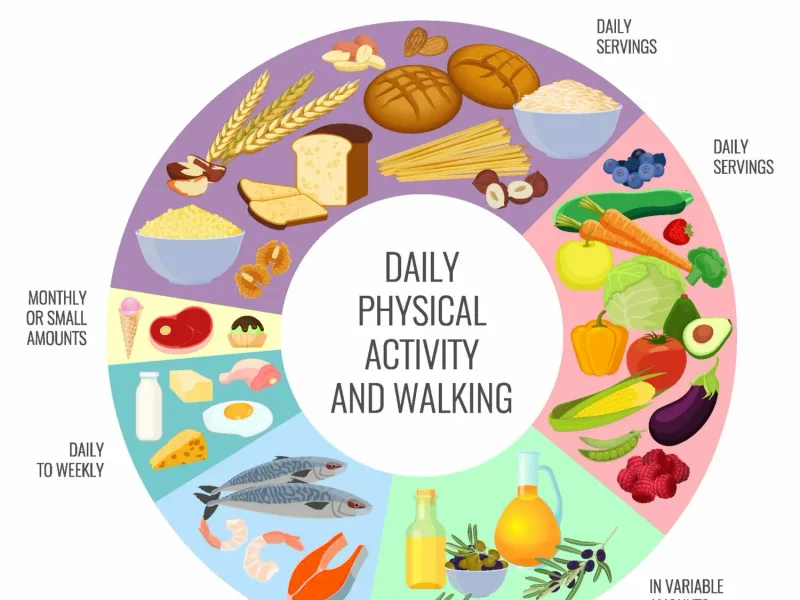
Diet and exercise form the cornerstone of diabetes care. A balanced diet, rich in whole grains, lean proteins, and vegetables, is crucial. Regular physical activity helps optimise insulin sensitivity.
Think of it like tending to a sapling — consistent watering and sunlight yield strong growth. Even a brisk walk after meals, similar to a stroll through Sheohar's local market, can be beneficial.
Medications
Depending on your type of diabetes and its severity, medications may be prescribed. These can include oral drugs or insulin injections. Metformin is a usual first-line oral medication for Type 2 diabetes. Insulin therapy is essential for Type 1 diabetes and sometimes for Type 2. The choice of therapy is always individualized.
Most people overlook this completely.
Blood Glucose Monitoring
Regularly checking your blood sugar levels is non-negotiable. This can be done with a glucometer at home or through continuous glucose monitoring. These readings provide valuable insights into how food, activity, and medication affect your glucose. They help you and your doctor make informed decisions.
Preventing Complications
Diabetes can affect various organs if not managed properly. Regular screenings for eye disease (retinopathy), kidney disease (nephropathy), and nerve damage (neuropathy) are vital. Podiatry care is essential to prevent foot ulcers. The Indian Council of Medical Research (ICMR) highlights the need for proactive complication screening.
Finding a Diabetes Clinic in Sheohar
While specific clinic names are best found through local directories and physician referrals, the principles of choosing remain the same. Ask friends, family, or your primary care physician for recommendations. Online health platforms can also provide reviews and ratings.
Remember to verify the credentials of the specialists. Ensuring the clinic aligns with your personal needs and preferences is paramount.
Honesty, choosing the right healthcare provider is an investment in your future health. A dedicated diabetes clinic in Sheohar offers the specialized attention needed to manage this situation effectively. Embrace the support available and take confident steps towards a healthier life.
Always consult a qualified physician before making medical decisions.
Frequently Asked Questions
How often should I monitor my blood sugar?
The frequency of blood sugar monitoring depends on your specific diabetes management plan. Generally, individuals using insulin may need to check multiple times a day. Those on oral medications or lifestyle changes might check less often, as advised by their doctor.
That alone changes everything.
Can I eat traditional Indian sweets if I have diabetes?
Moderation is key. While traditional Indian sweets are often high in sugar and calories, small portions might be permissible occasionally. It's best to discuss this with your dietitian. They can enable you incorporate occasional treats into your overall meal plan without significantly impacting your blood sugar control.
What are the early signs of diabetic complications?
Early signs can be subtle. These might include blurred vision, tingling or numbness in hands and feet, slow-healing sores, or frequent infections. Regular check-ups at your diabetes clinic are crucial for early detection and management of any potential complications.
Is a diabetes clinic different from a regular hospital?
Yes, a diabetes clinic specializes exclusively in diabetes care. They often have a team of endocrinologists, dietitians, and educators focused solely on this problem. Regular hospitals offer broader medical services, but a specialized clinic provides a deeper, more focused approach to diabetes management.